A quirk of wartime regulations gave birth to one of Britain’s most unusually named railway stops. During World War II, Bushey & Oxhey railway station in Hertfordshire gained the informal nickname “Ampersand” due to strict wartime security measures. The station, located on the West Coast Main Line south of Watford, underwent a peculiar transformation in 1940 that would make it stand out in railway history.
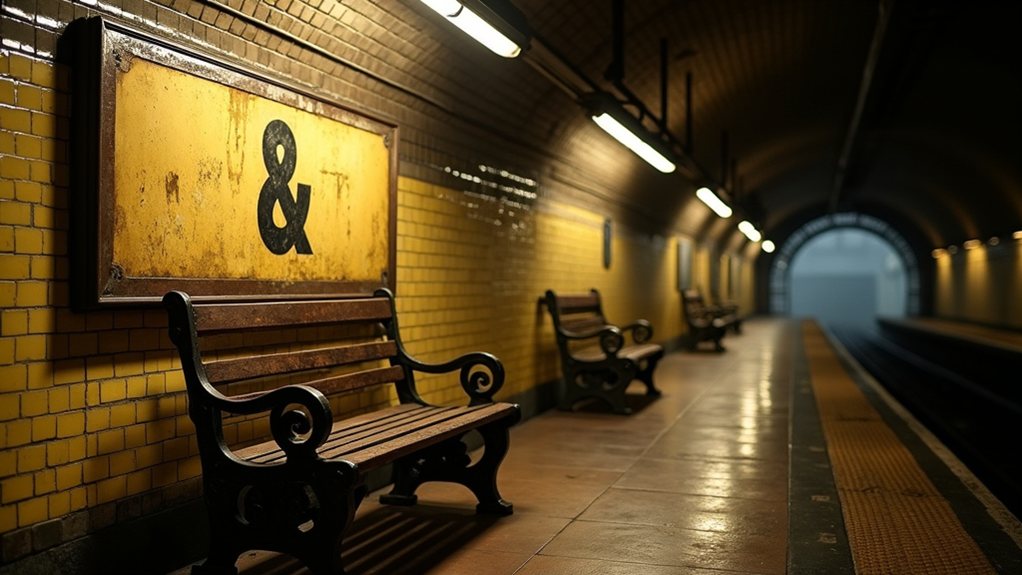
In June 1940, British authorities issued orders requiring all station nameboards to be obscured or removed. This measure aimed to prevent enemy aircraft or potential invading forces from using railway infrastructure as navigation landmarks. At Bushey & Oxhey station, railway workers followed these instructions quite literally, painting over the words “Bushey” and “Oxhey” while leaving the ampersand symbol “&” untouched.
The result was a station with nameplates displaying only the “&” symbol, quickly earning it the nickname “Ampersand station” among local residents and railway staff. This literal interpretation of wartime regulations perfectly captured the sometimes overly bureaucratic approach to emergency measures during the war years.
The curious case of Ampersand station reveals how wartime bureaucracy could transform the mundane into the memorable.
The station retained this unusual designation only during the Second World War years between 1939 and 1945. After the war ended, normal signage was restored, and eventually the station was officially renamed simply “Bushey,” dropping “Oxhey” from its formal title. The government had specifically ordered that signs be hidden from low-flying aircraft to prevent enemy identification of key transportation infrastructure.
During the same period, most British railway stations implemented various blackout and concealment measures. Approximately 85% of stations had their lighting greatly reduced or eliminated, making night travel challenging for civilians. London’s underground network received partial exemption from some rules, unlike mainline stations such as Bushey & Oxhey.
The station also featured other wartime additions, including a concrete pillbox constructed under the viaduct between platforms as part of local defense preparations. Similar to how approximately 150,000 people sought safety in Underground shelters during the height of the Blitz, railway infrastructure across Britain was adapted for wartime purposes. The station was first opened in 1837 by the London and Birmingham Railway, though it looked quite different from today’s modern facility.
Today, Bushey station continues to serve as an important commuter stop for London-bound travelers, though few passengers might realize its brief wartime identity as the station named only “Ampersand.”