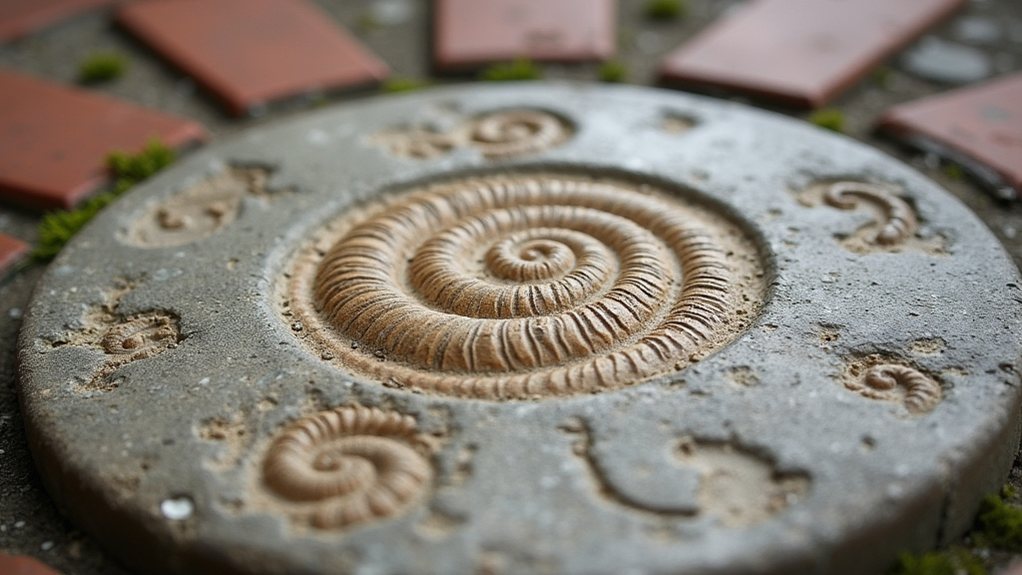

London’s urban geology reveals a fascinating blend of history and natural science, as the city’s buildings are often constructed from materials that tell stories of the Earth’s past. One of the most prominent materials used in London’s architecture is Portland Stone. This creamy-white limestone, which originates from the Isle of Portland, is notable for its abundance of fossils, including ammonites and bivalves that date back to the Jurassic period, approximately 150 million years ago.
Portland Stone gained historical significance after the Great Fire of 1666, which devastated much of London. The rebuilding effort included iconic structures like St. Paul’s Cathedral, which stands as a symbol of the durability and beauty of this unique building stone. Urban geologists, such as Ruth Siddall, study these materials and have documented how weathering reveals fossils embedded in the buildings.
Portland Stone symbolizes resilience and beauty in London’s architecture, revealing ancient fossils through the lens of urban geology.
As passersby observe these structures, they may unknowingly encounter remnants of ancient life, reminding them of a time long before humans inhabited the area. Key locations in London, such as Paternoster Square and the New London Stock Exchange, showcase the decorative use of Portland Stone fossils. These fossils are not merely historical artifacts; they add layers of history to the ordinary surfaces of the city. Visitors can explore these urban treasures simply by walking around.
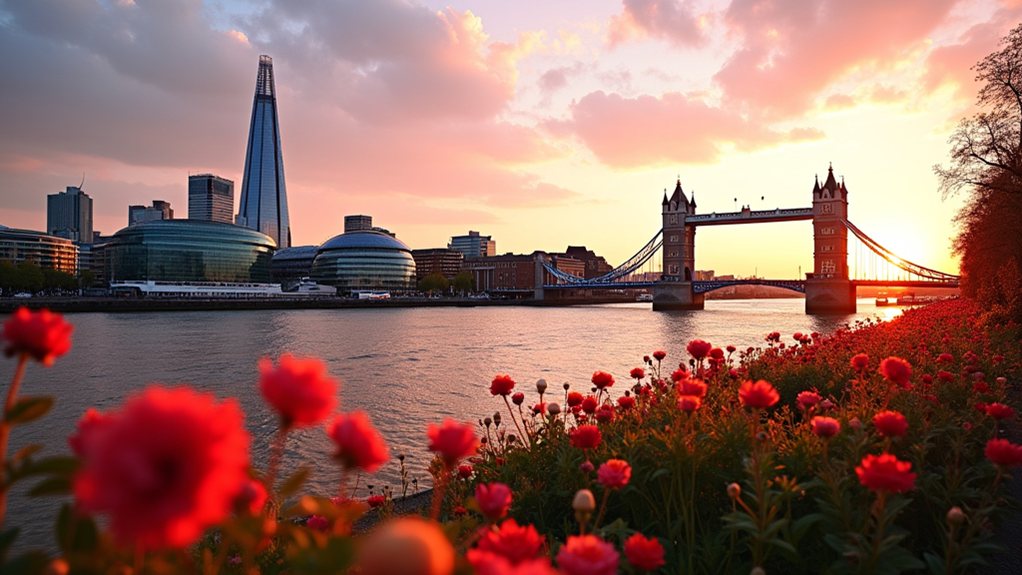
Even the architecture of Euston Station offers a glimpse into London’s geological past, with fossilized remains integrated into the design. For those interested in urban geology, taking a closer look at these buildings can reveal hidden wonders. The use of Portland Stone in London’s architecture not only enhances the aesthetic value of the city but also serves as a reminder of the geological processes that shaped the Earth. Additionally, the nearby Tower Bridge is another iconic structure that showcases the city’s blend of engineering and historical significance. By examining the structures around them, residents and tourists alike can appreciate the rich history and natural science that lies beneath the city’s surface.