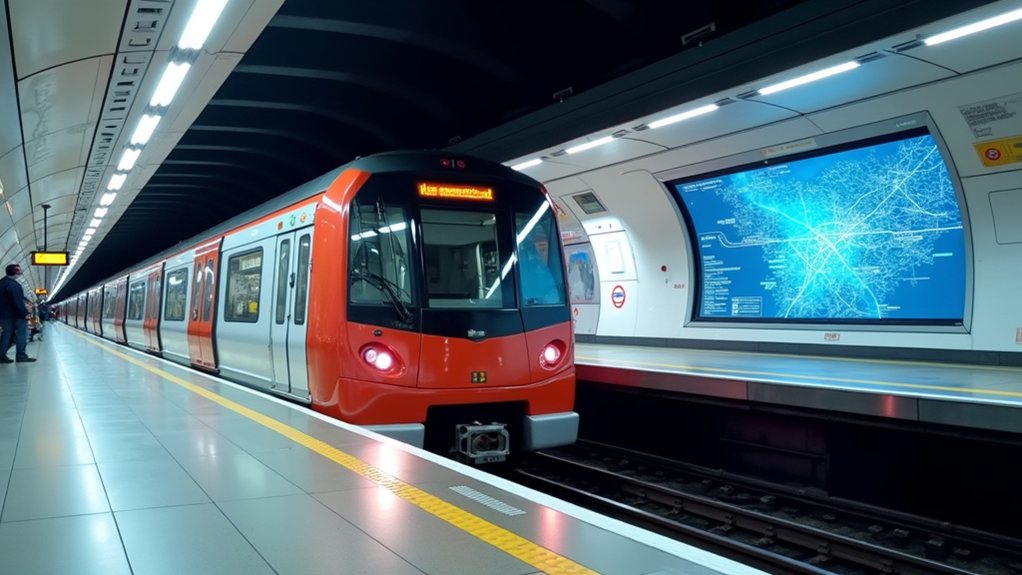

Londoners will face significant transport cost increases in 2026, as Transport for London (TfL) announces tube fare hikes averaging 5.8% across the network.
The increases, which exceed the expected inflation rate of 2.5% for 2026, will see Zone 1 peak fares rise 6.9% from £2.90 to £3.10, while off-peak journeys in the same zone will increase 7.1% from £2.80 to £3.00.
The changes take effect from March 2026, with most fare increases capped at 20 pence per journey.
Commuters traveling longer distances will experience steeper increases, with Zone 1-2 peak tickets rising to £3.70 and Zone 1-6 peak journeys climbing to £6.15.
Long-distance tube commuters face the heaviest burden with Zone 1-6 peak fares reaching £6.15 in 2026.
The Elizabeth line service to Heathrow faces the most substantial hike at 11.5%, jumping from £13.90 to £15.50, creating financial pressure for airport travelers and staff alike. Despite the tube fare increases, bus and tram users will receive some relief as fares remain frozen at £1.75 until July 2026, which is a welcome measure given the crime rate in London.
This marks the seventh consecutive freeze funded by City Hall, representing a cost-of-living measure amid rising expenses elsewhere in London’s transport network.
The Mayor has indicated that once the current freeze ends, London’s widely used bus transport system will also see fare increases as part of TfL’s broader financial strategy.
The fare increases come as part of TfL’s compliance with the £2.2 billion funding agreement secured in the 2025 Spending Review, which requires fares to rise by the Retail Price Index plus 1% until 2030.
While national rail services elsewhere benefit from fare freezes, Londoners must absorb these government-mandated increases.
The London Assembly Budget and Performance Committee will scrutinize the fare increase assumptions and the cost of the fare freeze during their meeting on December 16, 2025.
Some relief measures have been implemented to soften the blow, including freezing daily and weekly pay-as-you-go caps and maintaining current travelcard prices.
Oyster and Contactless users making multiple daily journeys will avoid the full impact of the increases through these caps.
Meanwhile, the road transport sector continues facing its own price pressures, with the UK road transport price index rising 1.73% to 129.4 in November.
Haulage costs increased 1.83% month-on-month, while diesel prices averaged 143.82p per liter, up slightly from previous months despite the fuel duty freeze extending until September 2026.
The difficult market conditions have been exacerbated by a significant decline in carrier availability of 22.4% in November, reversing the gains seen in previous months.