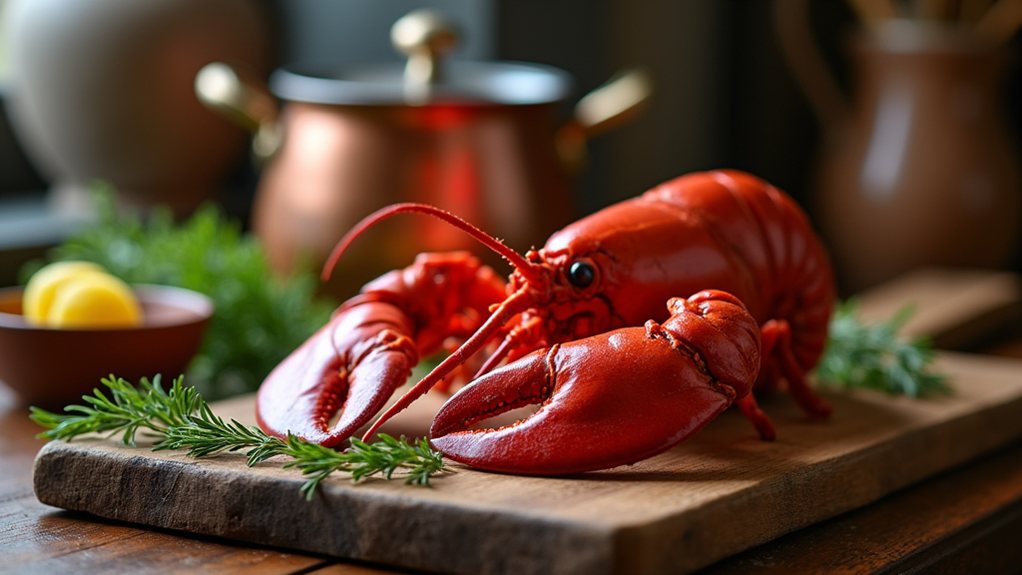

A prominent London chef has spoken out against the government’s proposed ban on boiling live lobsters, calling it impractical for commercial kitchens. The criticism comes as part of a growing industry backlash against new animal welfare measures that would prohibit the traditional cooking method for crustaceans in restaurants across the country.
The government has described live boiling as “not an acceptable killing method” and plans to publish guidance on approved alternatives, including electrocution or freezing to stun lobsters before cooking. These changes are part of a broader animal welfare strategy that extends protections to crustaceans and other shellfish throughout the supply chain.
Live boiling of crustaceans will be prohibited under new welfare guidelines, with alternative stunning methods becoming mandatory across the industry.
Many London restaurateurs have expressed concern that the alternative methods suggested by officials remain unfamiliar in commercial settings. They warn that adding new welfare rules will increase operational complexity and create additional compliance burdens, particularly for smaller establishments. Some chefs predict that operators may exit the industry or markedly alter their menus to avoid regulated practices.
The proposed alternatives include electrical stunning equipment and chilling methods designed to render crustaceans insensible before cooking. However, industry observers note a lack of clarity regarding approved techniques and equipment standards for restaurant kitchens. Retrofitting small kitchens with specialized stunning equipment raises feasibility concerns among many operators.
Economic implications could be considerable, with forecasts suggesting the ban might increase demand for frozen or pre-processed seafood imports. James Chiavarini has specifically criticized the government for interfering with food traditions. Industry statements warn of added costs from compliance, equipment purchases, and potential menu reformulations. Small restaurant operators are considered particularly vulnerable to these changes.
Animal welfare advocates have supported the policy direction, arguing that extending protections beyond vertebrates represents an important ethical advancement. The recognition of decapods and cephalopods as sentient beings under laws passed in 2022 forms the legal basis for these new regulations. However, some culinary professionals counter that the proposed methods may be more stressful for the animals or impractical without robust evidence tailored to commercial kitchens.
The government has described the approach as a regulatory change rather than an immediate criminal prohibition, though details about implementation timelines and enforcement remain under development.