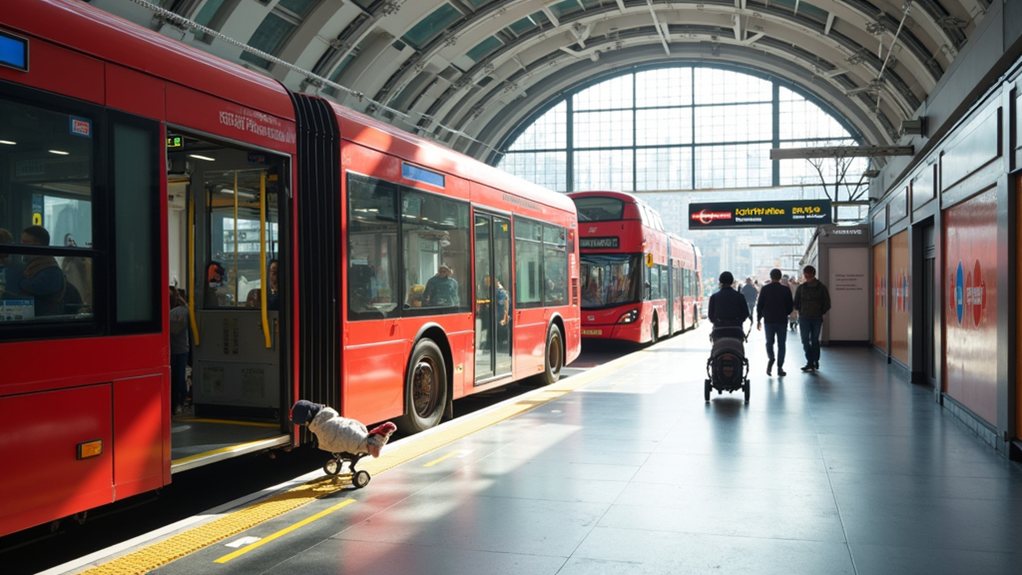
London’s public transport supports families with kids and strollers by allowing strollers on buses, tubes, and trains, with many stations offering elevators for step-free access. Escalators should be avoided for safety, and buses have designated stroller spaces. Children under 11 often travel free, with discounted fares for older kids. Planning routes with step-free access and using contactless payments ease journeys. Alternative options like Thames Clippers provide family-friendly river travel. Additional details improve navigation and comfort for families.
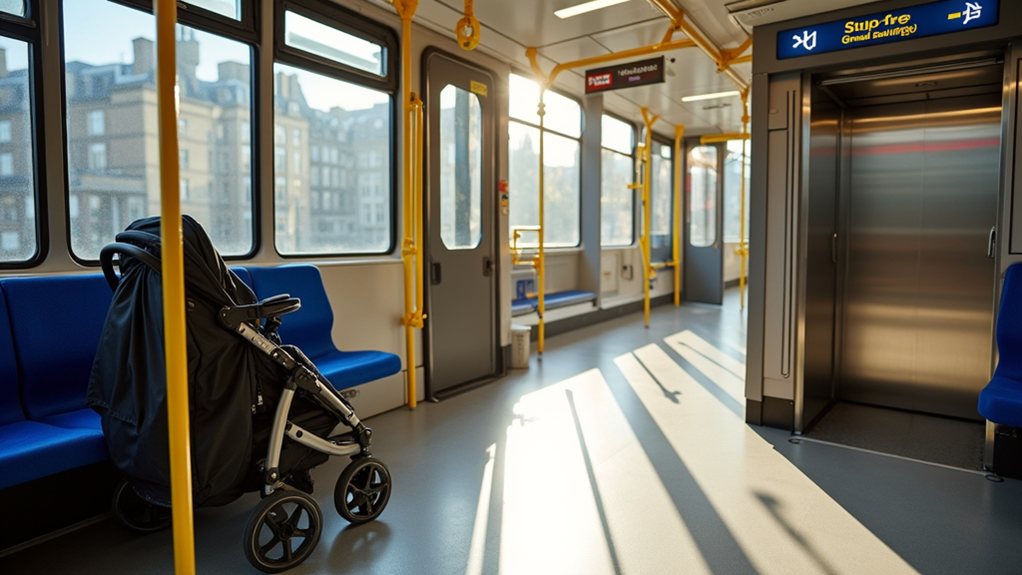
Although London’s public transport system offers extensive coverage and convenience, families traveling with children and strollers need to plan carefully to guarantee a smooth experience. Strollers are permitted on most modes of transport, including buses, tubes, and trains, but accessibility varies. Many tube stations have elevators or lifts, which are vital for stroller users, though some stations lack these facilities. However, it is important to note that strollers are not allowed on escalators for safety reasons, so families should avoid using them when carrying strollers. Additionally, families can benefit from using contactless payment methods to streamline their travel experience.
Navigating London’s extensive public transit with strollers requires planning due to varying accessibility and elevator availability.
Escalators are generally prohibited for strollers due to safety concerns, so families should use lifts or stairs with assistance when necessary. London buses provide designated spaces for strollers; however, these areas also serve wheelchair users, so strollers must be folded when a wheelchair user boards. For families traveling in larger groups, the Group Day Travelcard offers a cost-effective ticket option that can simplify fare arrangements. This ticket is ideal for families or groups of 10+ members traveling together.
Children under 11 travel free on London buses and trams without a ticket, and up to four children under 11 can travel free with one fare-paying adult on the Tube, DLR, London Overground, Elizabeth line, and certain National Rail services. Children aged 11 to 15 require discounted fares or travel passes, while those 16 and over must hold adult tickets.
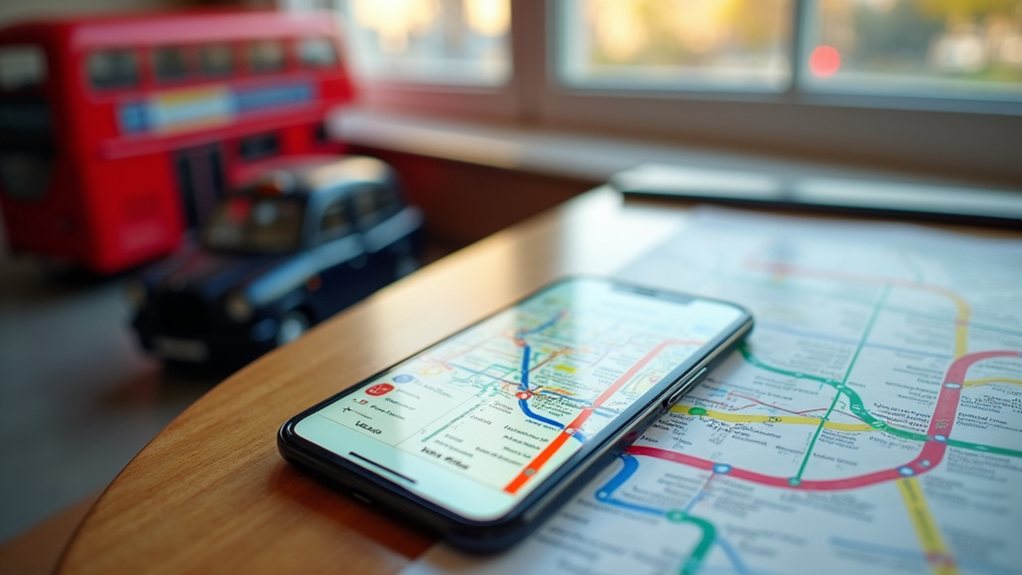
Various family-friendly ticket options, such as child Oyster cards or contactless payment discounts, are available to ease fare management. Planning routes that prioritize step-free access and elevator availability is essential for families with strollers. Using journey planning tools like TfL’s planner, Citymapper, or Google Maps helps identify stroller-accessible paths and reduces walking distances.
Avoiding rush hours, typically 7:30–9:30 AM and 5–7 PM, can make travel safer and more comfortable. Off-peak travel is recommended, as is incorporating short walks and stops in nearby parks like St. James’s Park or Kensington Gardens to break up journeys.
Priority seating is provided on buses and trains for passengers with young children, pregnant women, and those with disabilities. Many tube stations and public locations offer baby-changing facilities. Families are advised to keep baggage light to manage strollers and children effectively, and to exercise caution on platforms and escalators.
Staff and fellow passengers are generally supportive, contributing to a more manageable travel experience. Additionally, options like Thames Clippers offer family-friendly, scenic river transport.
Frequently Asked Questions
Are There Family-Friendly Restrooms on London Public Transport Routes?
Yes, family-friendly restrooms are available on London public transport routes, primarily at major stations like Paternoster Square and Tower Hill.
Many stations offer toilets with baby changing facilities, though availability and opening hours vary.
Some trains, including LNER Azuma, provide baby changing compartments.
Accessible and Changing Places toilets serve disabled users.
Community Toilet Schemes also offer free baby changing access in local businesses near transport hubs.
Checking station amenities online is advised before travel.
Can Strollers Be Folded on Crowded Buses or Trains?
Yes, strollers can be folded on crowded buses or trains, especially when requested by the driver to prioritize space for wheelchair users or other passengers.
Folding helps prevent blocking aisles and guarantees safety. If a stroller cannot be folded, boarding may be denied.
Passengers should fold strollers promptly upon request and position them in designated areas, maintaining control and applying brakes to avoid tipping during transit.
Are There Priority Seating Areas for Families With Young Children?
Yes, London public transport designates priority seating areas specifically for families with young children, pregnant women, and people with disabilities.
These seats are clearly marked and usually located near vehicle entrances to facilitate easy access. Passengers are expected to yield these seats when someone with higher priority boards.
Some rail services provide Priority Seat Cards to signal genuine need. Using these areas helps improve safety and convenience for families traveling with strollers or young children.
Is There a Discount for Children’s Travel Cards on Public Transport?
Children’s travel cards offer significant discounts on London public transport.
For example, children aged 5 to 10 with a Zip Oyster photocard travel free on buses and trams and get free access to Tube and rail services.
Those aged 11 to 15 pay reduced fares with their photocard, while 16- to 17-year-olds pay half the adult rate on most services.
Applying for these cards involves a fee and documentation, usually completed online.
How Do I Handle Lost Items When Traveling With Kids on Public Transit?
When items are lost on public transit, report them promptly to the bus operator or depot, including details like bus number and route.
Essential items such as wallets or medication are prioritized for recovery. Use the provided phone lines or online systems to inquire about lost items quickly.
Regularly check belongings during travel to prevent loss. Descriptions and identifying features should be documented beforehand to aid accurate reporting and improve the chances of retrieval within holding periods.