London’s bus network features over 700 routes connecting key landmarks, with central London covered by popular routes like 8, 9, and 24. Passengers pay fares using Oyster or contactless cards, costing about £1.75 per trip, with no cash accepted on buses. Night services run on different routes after midnight. Bus stops serve as transfer points between buses and other transit modes. Planning tools and maps help users navigate efficiently. Further details explain how to optimize travel and explore notable sights by bus.
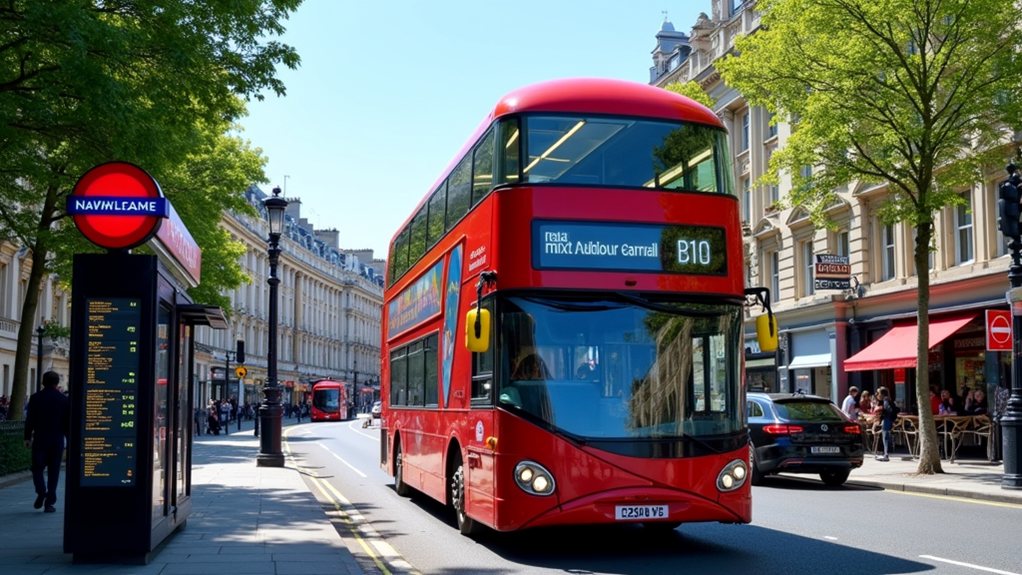
Although traversing a large city can be challenging, London’s extensive bus network offers a reliable and accessible way to travel across the Greater London area. The network consists of over 700 routes operated by Transport for London (TfL), reaching all parts of the city and connecting with other transport modes including the Underground, Overground, National Rail, and river services. Many of these routes are designed to provide a comprehensive sightseeing experience, allowing tourists to explore iconic landmarks across central London. Additionally, Hop On Hop Off buses offer a convenient option for tourists looking to see multiple attractions in one day.
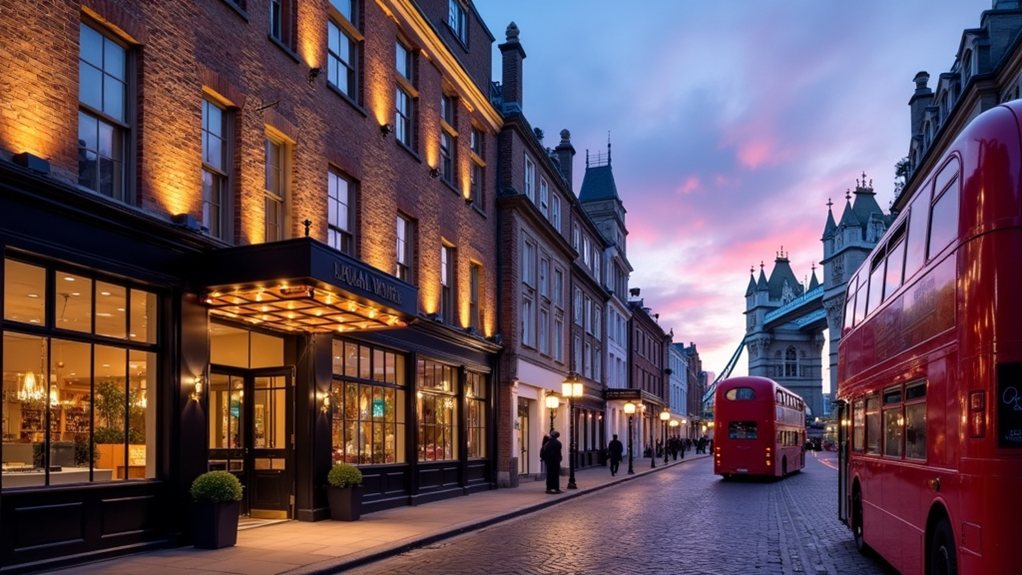
Central London is served by 22 key bus routes, such as numbers 8, 9, and 24, which pass through major tourist spots like Trafalgar Square, the British Museum, Hyde Park, and the London Eye. Popular bus routes provide easy access to many landmarks. For example, Route 8 and Route 24 stop near the London Eye, Big Ben, and Tower Bridge. Other routes, including 159, 148, and 453, serve areas close to the London Eye with multiple nearby stops. A free download of an updated Central London Bus Map is available to help plan your trips.
Bus stops often act as interchanges where passengers can switch between buses or connect to other transport services, improving travel flexibility. Night buses operate on separate routes and schedules, extending service hours beyond midnight to support late-night travel. An interactive map available online helps locals and tourists plan their journeys efficiently. Additionally, there are multiple routes available for diverse exploration, including special sightseeing routes.
Ticketing on London buses is straightforward. Passengers use Oyster cards or contactless payment cards, which offer discounted flat fares regardless of distance traveled. As of recent years, cash payments are no longer accepted on buses, speeding up boarding times. Single journeys generally cost around £1.75 when paid by contactless or Oyster, with daily fare capping in place to limit the total amount charged for multiple trips. Various discounted fares are available for eligible passengers.
Planning a bus journey is made easier through digital tools. TfL provides interactive maps and downloadable PDFs showing bus routes and stops throughout London. Smartphone apps like TfL Go offer real-time tracking and journey planning features. While paper maps are available, most travelers prefer digital options for convenience.
Bus services typically run from early morning until around midnight, with frequent buses every 5 to 15 minutes during peak times, ensuring regular and accessible transport throughout the day. Open-top buses on certain routes enhance the sightseeing experience, providing a unique view of the cityscape.
Frequently Asked Questions
Are Buses in London Wheelchair Accessible?
Buses in London are wheelchair accessible, featuring low floors and ramps with a maximum slope of 7 degrees for safe boarding.
Most buses include designated wheelchair spaces larger than the legal minimum, and many offer audio-visual aids.
Despite these features, some users report issues with ramp conditions and bus stop facilities.
Drivers receive disability awareness training, and the fleet is regularly updated to improve accessibility and comfort for wheelchair passengers.
Can I Bring a Bicycle on London Buses?
Passengers can bring folding bicycles, including folding e-bikes, on London buses at any time, as they fit easily and pose no safety risk.
Non-folding bicycles are generally not allowed due to limited space, and drivers may refuse boarding if the bus is crowded.
Non-folding e-bikes are banned on buses from March 31, 2025, for safety reasons.
Folding bikes should be folded and free of protruding items before boarding to guarantee compliance.
What Are the Operating Hours for London Buses?
London buses generally operate from about 4:30 AM until 12:30 AM the next day.
Night buses run between 12:30 AM and 5 AM, providing service when regular buses stop. Night frequencies are every 30 minutes on weekdays and every 15 minutes on weekends.
Some routes adjust schedules during events or holidays. On Christmas Day, buses do not run, while New Year’s Eve features 24-hour services on many routes.
Are Food and Drinks Allowed on London Buses?
Food and non-alcoholic drinks are allowed on London buses, and passengers may consume them during their journey.
However, alcohol consumption and open alcohol containers are strictly prohibited.
It is recommended to avoid strong-smelling foods and use sealed containers to prevent spills and maintain cleanliness.
Passengers should dispose of any waste responsibly in provided bins.
TfL staff monitor compliance, ensuring passengers follow these rules for a comfortable and safe travel environment.
How Do I Report Lost Items on a London Bus?
Lost items on London buses should first be reported to the bus operator, providing route number, travel date, and time to identify the bus garage holding the item.
Contact the garage’s Lost Property department during business hours, Monday to Friday, 9am to 4pm.
If not found within seven days, the item is sent to Transport for London’s Lost Property Office.
Reports can be made online via TfL’s enquiry form, including detailed descriptions to aid recovery.