Located in the heart of London at Lincoln’s Inn Fields, the Hunterian Museum stands as one of the most significant medical and scientific collections in the world. Originally assembled by John Hunter with 14,000 specimens, this remarkable collection was purchased by the government in 1799 for the Royal College of Surgeons. Unfortunately, an incendiary bomb in May 1941 destroyed two-thirds of the collection, though 3,000 original Hunterian specimens remain on display today, enhanced by collections from Richard Owen and others.
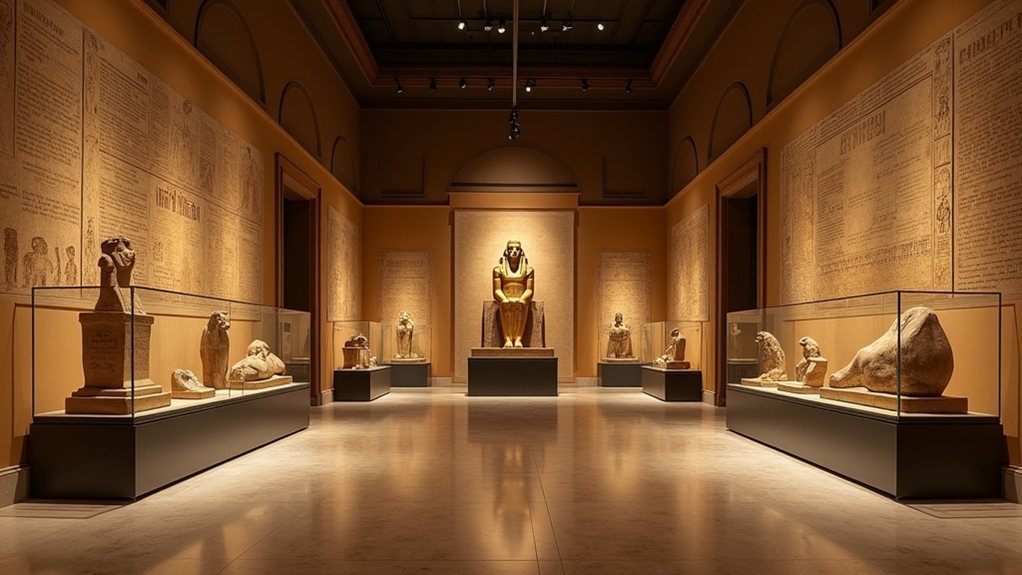
The museum is situated at 38–43 Lincolns Inn Fields in Holborn, Central London, within the headquarters of the Royal College of Surgeons. The original 18th-century building was redesigned by Charles Barry in 1834, retaining the portico from the prior structure. After closing for refurbishment from 2017 to 2023, the museum reopened on May 16, 2023, following a £4.6 million redevelopment project. Visitors can now explore ten rooms tracing surgery history from ancient Egypt, with free entry available, though booking is recommended. The museum operates Tuesday through Saturday, from 10am to 5pm. Visitors can also join a curator’s tour every Wednesday at 2:15 pm, available on a first-come, first-served basis.
A stunning repository of medical history housed in a historic building that beautifully blends 18th-century heritage with modern renovation.
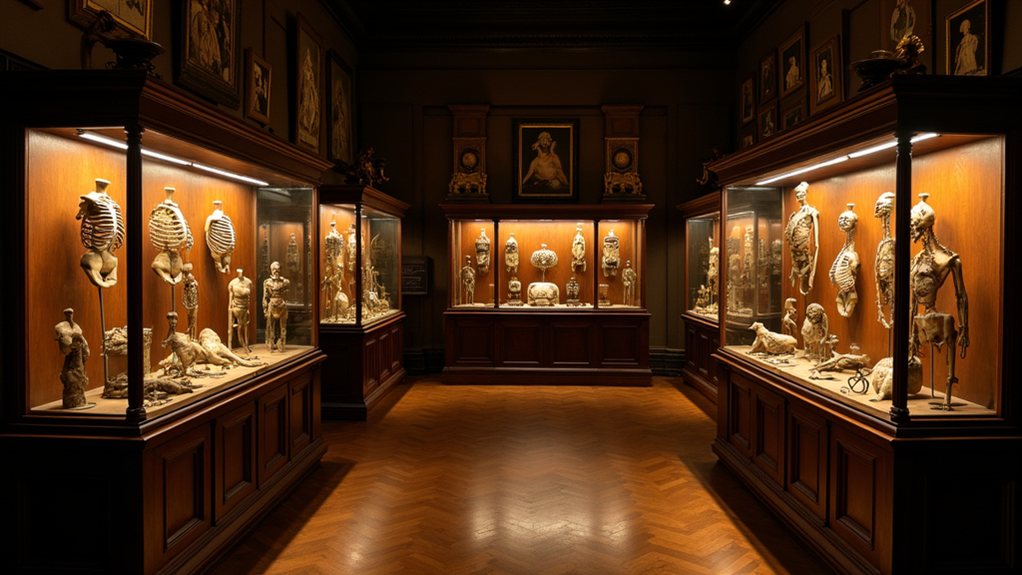
The collection encompasses over 70,000 items, spanning anatomical and pathological specimens. The core consists of the Hunterian Collection with more than 3,000 original specimens, while the broader Hunterian Museum Collection includes post-1799 items related to anatomy and physiology. Many specimens feature the RCSHM prefix in their identification numbers for systematic cataloging. Dr. John Hunter’s extensive research helped establish modern surgical practices through his meticulous documentation of anatomical specimens. Notable exhibits include the 17th-century Evelyn Tables, anatomical dissections used for teaching, and curious artifacts such as Winston Churchill’s dentures and a sheep intestine condom.
Visitors can also view surgical artifacts ranging from Egyptian and Roman medical objects to modern surgical instruments. Among the collection’s highlights are prosthetic items linked to Lord Byron, lungs injected with wax to demonstrate pulmonary structure, and ivory anatomical mannequins. The museum also houses controversial items, including the Irish Giant skeleton that has sparked ethical debates. A digital guide is available for those wishing to explore the exhibition highlights in greater detail.