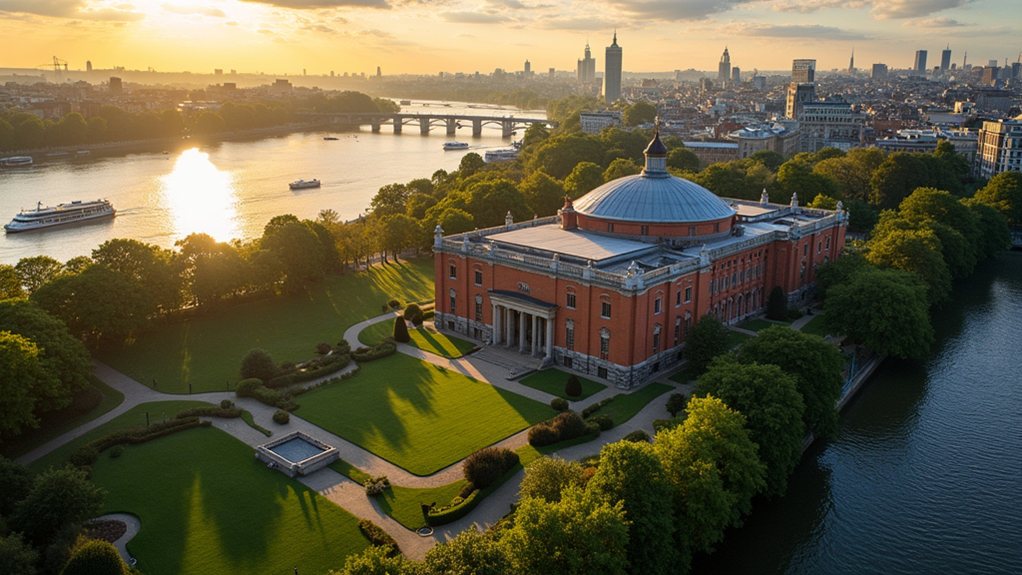

The Tate Britain map guides visitors through over 70,000 British artworks spanning five centuries, arranged in thematic and chronological galleries. It highlights major art movements, rooms dedicated to individual artists like J.M.W. Turner, and key pieces such as *The Lady of Shalott*. The map also shows locations of special exhibitions and outdoor installations, aiding visitor navigation. Free entry to the permanent collection encourages public access. Further details explain the museum layout and featured highlights.
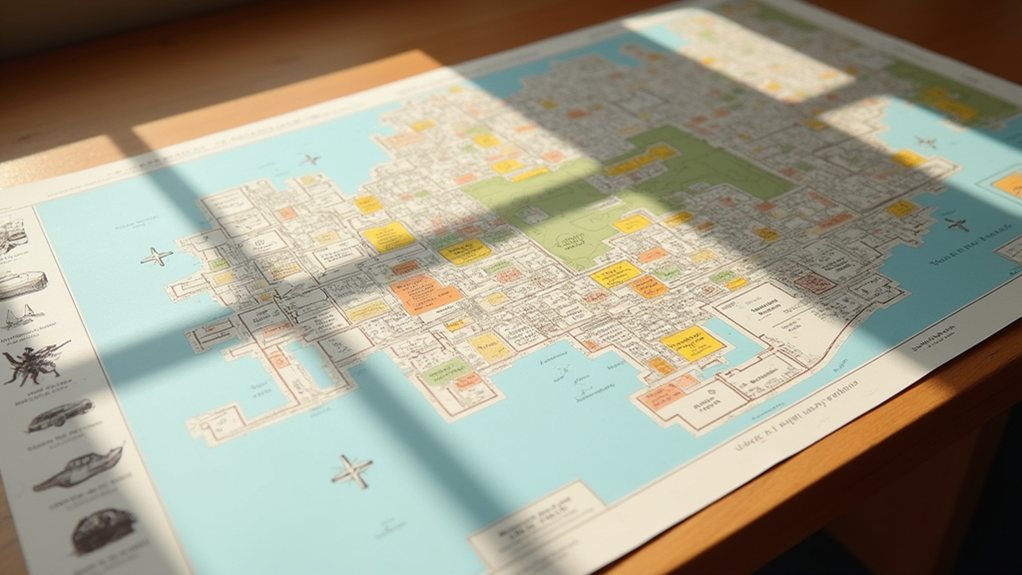
Although Tate Britain is primarily known for its extensive collection of British art, the Tate Britain map serves as an essential tool for guiding through the museum’s diverse galleries and exhibitions. The museum holds the national collection of British art from the 1500s to the present day, featuring over 70,000 artworks that include paintings, sculptures, prints, installations, and time-based media. The Tate Britain map helps visitors navigate these vast holdings, which focus mainly on historical and contemporary British art, setting it apart from Tate Modern’s international modern and contemporary collection. The collection is designed to provide public access and encourage exploration of British art.
The museum’s permanent displays cover 500 years of British art history, arranged in thematic and chronological order. The layout allows visitors to explore art movements from Tudor times through to contemporary periods, including prominent styles such as Pre-Raphaelite, Romanticism, and Modernism. The map highlights rooms dedicated to individual artists, offering deeper insight into their contributions. For example, visitors can find exhibitions focused on figures like Tracey Emin and Tacita Dean. A major renovation completed in 2013 added nine new galleries and reopened the circular balcony of the rotunda, enhancing the museum’s layout and visitor experience major renovations. Tate Britain has exclusively exhibited British art since 2000, after the modern art collection was moved to Tate Modern, which is also indicated on the map exclusive British art. Additionally, the museum provides free admission to its permanent collection, making it accessible to a wider audience.
Some displays concentrate on specific themes, such as the work of women artists or the role of democratic ideas in art, broadening the understanding of Britain’s artistic narrative. Key artworks and artists are clearly marked on the map to assist visitors in locating notable pieces. Among these are Henry Wallis’s *The Death of Chatterton*, John William Waterhouse’s *The Lady of Shalott*, and Whistler’s *Nocturne: Blue and Gold*.
The museum boasts the world’s largest collection of J.M.W. Turner works, emphasizing his importance in British art history. Alongside historical figures like Marcus Gheeraerts the Younger, the map also guides visitors to modern icons such as Bridget Riley and Tracey Emin.
The gallery layout supports a smooth visitor experience by combining chronological storytelling with thematic and solo artist exhibitions. Entry to the permanent collection is free, encouraging wide public access, though special exhibitions may require tickets. The Tate Britain map directs visitors through galleries, commissions, and outdoor installations, facilitating an efficient and thorough visit to the museum’s major highlights.
Frequently Asked Questions
Is Tate Britain Wheelchair Accessible?
Tate Britain is wheelchair accessible, offering step-free entrances and hydraulic lifts to navigate its historic building.
Visitors can book wheelchairs or mobility scooters in advance, and accessible toilets are available throughout.
Assistance dogs are welcome, and resting points are provided.
Accessible parking requires advance booking and is limited.
Staff receive training to support disabled visitors, and various aids like tactile guides and hearing loops are offered to enhance the experience for those with disabilities.
Are Guided Tours Available at Tate Britain?
Guided tours are available at Tate Britain in several formats. Visitors can join free, volunteer-led tours lasting about 45 minutes, or participate in expert-led public “Discovery Tours” of approximately one hour.
Private guided tours, lasting two to three hours, offer customizable experiences tailored to specific interests and require advance booking. Tours focus on British art history and key artists, with options suitable for families and accessible to wheelchair users.
Booking details and schedules are provided online or at the ticket desk.
Can I Take Photographs Inside Tate Britain?
Photography is allowed in Tate Britain’s main galleries for personal, non-commercial use.
Flash photography and tripods are prohibited to protect artworks, but selfie sticks may be used if they do not disturb others.
Photography is not permitted in special or temporary exhibitions, which often require separate tickets.
Visitors must respect copyright laws and other visitors’ experience.
Commercial use of images requires prior permission from Tate.
Video recording has stricter rules and usually needs explicit approval.
Are There Dining Options Within Tate Britain?
Yes, Tate Britain offers two dining options: the Djanogly Café and the Tate Britain Restaurant.
The café serves sandwiches, salads, hot meals, and coffee roasted on-site, with gluten-free and vegan options.
The restaurant, located in a historic room, provides British seasonal menus, weekend breakfast, lunch daily, and afternoon tea.
Both venues are wheelchair accessible, do not allow outside food inside galleries, and have designated eating areas for visitors.
Is Tate Britain Suitable for Children?
Tate Britain is suitable for children, especially those aged 9-12 and older, though younger children are welcome.
It encourages interactive exploration and allows noise, making it family-friendly. Facilities include baby-changing areas, accessible toilets, and seating zones.
Art workshops and creative spaces are offered, particularly during school holidays. Admission is free, with some paid exhibitions, and members can bring multiple children for free.
Practical amenities include cloakrooms, accessible parking, and child-focused café menus.