
The British Museum map is a treasure map of history, guiding visitors through iconic exhibits like the Rosetta Stone in Room 4, Assyrian Lion Hunt reliefs in Room 10, and Parthenon sculptures in Room 18. It highlights handy amenities such as cafes and accessible toilets, while lifts and clear signs make navigation a breeze. Whether exploring ancient worlds or relaxing in the Coffee Lounge, visitors enjoy a rich, seamless experience. Keep exploring to uncover more museum essentials and tips.
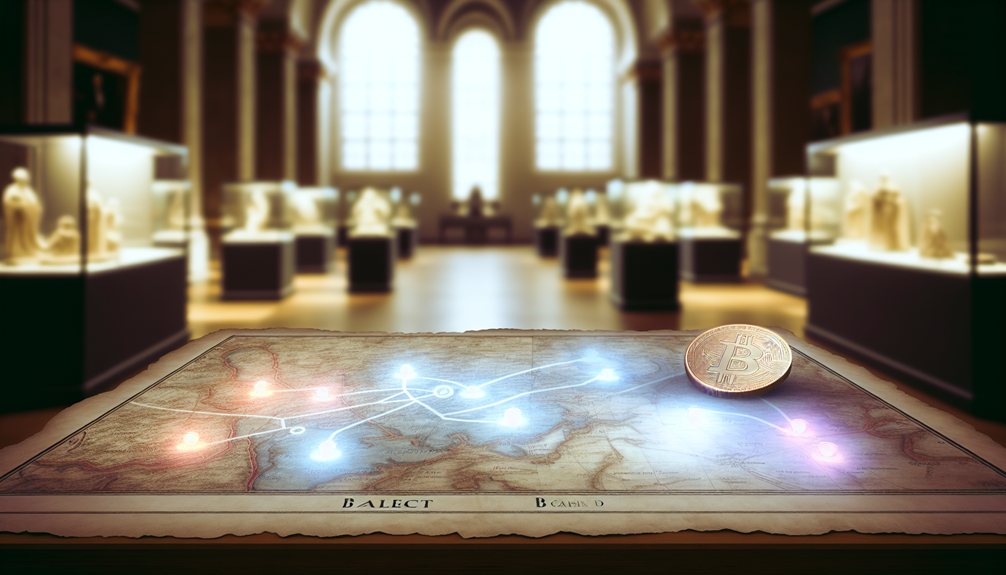
Maneuvering the vast British Museum can be a thrilling adventure, made easier by its detailed and thoughtfully designed map. This map divides the museum into multiple levels, ranging from the Lower floor and Levels -2 and -1 up to Level 4, each filled with numbered rooms and handy facilities.
At the heart of it all lies the Great Court on Level 0, a bright and welcoming hub that connects the main entrance, shops, information desks, lifts, and stairs to every gallery level. Visitors can easily find their way through over 60 galleries, each grouped by world regions and historical periods, such as ancient Egypt, Greece and Rome, the Middle East, Asia, the Americas, Africa, and Europe.
The map’s clever use of wayfinding symbols highlights essential amenities like lifts, stairs, toilets, accessible toilets, baby changing stations, cafes, restaurants, shops, and Members’ areas, making a day at the museum both comfortable and convenient. Visitors can also explore incredible cultures from around the world through these exhibits, enriching their understanding of global history.
Wayfinding symbols mark all key amenities, ensuring every visit is comfortable and convenient throughout the museum.
The Lower floor houses the Clore Centre for Education and related learning spaces, accessible via stairs and lifts from the Great Court or southern staircases. Levels -1 and -2 mostly contain study rooms, collection storage, and behind-the-scenes areas, with fewer public galleries. The ongoing Western Range redesign will enhance visitor experience and accessibility in these areas.
The map clearly marks routes from these lower levels to the main visitor pathways using “Up to” labels, ensuring no one gets lost in the museum’s depths. Toilets and emergency exits are also thoughtfully marked, supporting visitors using education and events facilities.
Stepping onto Level 0, visitors encounter the main entrance from Great Russell Street, leading directly into the Great Court and surrounding galleries. Highlights here include the famous Rosetta Stone in Room 4, essential for decoding Egyptian hieroglyphs, the Assyrian Lion Hunt reliefs in Room 10, and the iconic Parthenon sculptures in Room 18.
Shops, cafes, and information desks cluster around the Great Court, offering rest and refreshment.
Upper levels feature expansive thematic zones, with Level 1 and 2 hosting extensive galleries covering ancient Egypt, Greece and Rome, the Middle East, Asia, Europe, and the Americas. Special rooms showcase scientific instruments, such as astrolabes in Room 42, adding unique depth to the visit.
The map also marks the Coffee Lounge and Members’ Room, perfect spots to unwind after exploring history’s treasures. Overall, the British Museum map is more than just paper; it’s a trusty guide that turns a day of discovery into a seamless and enjoyable journey.
Frequently Asked Questions
Are Guided Tours Available for Children at the British Museum?
Yes, guided tours for children are available at the British Museum.
Free volunteer-led “eye-opener” tours welcome kids but focus on adults, so younger ones might need extra help to stay interested.
For a more kid-friendly experience, private tours by specialized guides offer fun activities like treasure hunts, stories, and quizzes, highlighting cool exhibits like Egyptian mummies and the Rosetta Stone.
These require advance booking and are tailored to children’s ages and interests.
Is Photography Allowed Inside the British Museum Exhibits?
Photography inside the British Museum exhibits is mostly allowed, which is fantastic for capturing memories!
Visitors can snap photos using phones or cameras without flash, 3D apps, or video equipment that needs a stand. However, tripods, selfie sticks, and special lighting are a no-go, unless you get special permission.
Keep an eye on signs—some galleries or objects might have strict no-photo rules to protect delicate pieces or respect copyrights.
Are There Any Dining Options Within the British Museum?
Yes, the British Museum offers several dining spots to satisfy different tastes.
Visitors can grab fresh sandwiches and cakes at the Court Cafés, enjoy a refined three-course lunch under the stunning Great Court glass roof, or savor hand-tossed pizzas with vegan options at the Pizzeria.
For a lively atmosphere and great views, the Coffee Lounge serves tasty meals and drinks.
Each venue offers something unique, making museum breaks deliciously memorable.
Can I Store My Luggage at the British Museum?
Luggage storage inside the British Museum is limited; large suitcases aren’t allowed, only small bags.
The paid cloakroom handles light items but has no lockers for big gear.
Visitors should consider nearby rail stations or private services like Bounce or Stasher, offering secure, insured spots just steps away.
Booking in advance is smart, especially during busy times.
Is the British Museum Wheelchair Accessible?
Yes, the British Museum is largely wheelchair accessible, with about 95% of galleries reachable via lifts and step-free routes.
Visitors will appreciate two wheelchair-friendly entrances, smooth paths from parking, and helpful manual wheelchairs available by reservation.
While a couple of galleries require steps, accessible toilets, hearing loops, and spacious cafés enhance comfort.
Though no Changing Places facility exists onsite, the museum thoughtfully supports visitors with mobility needs, making exploration easier and more enjoyable.