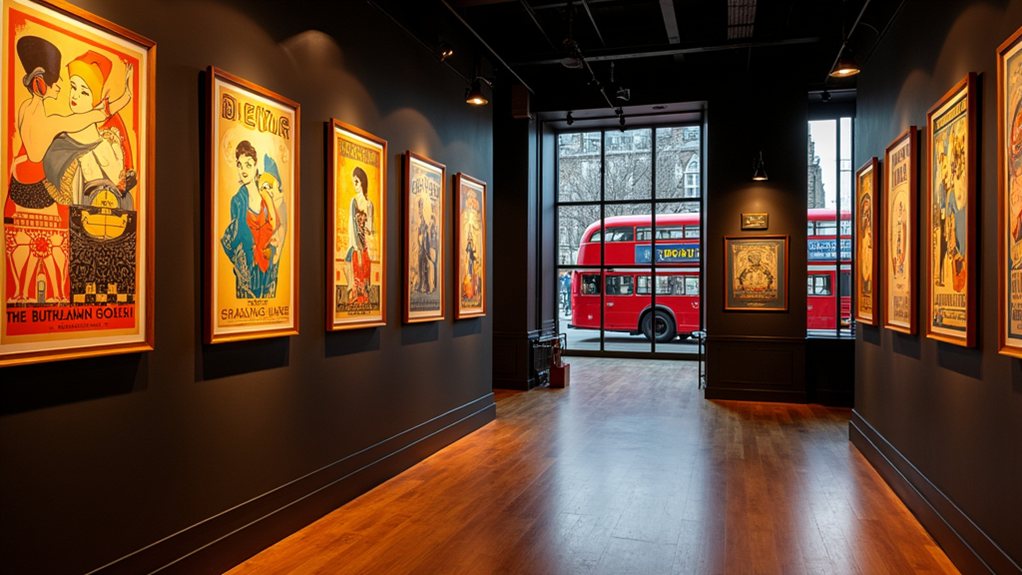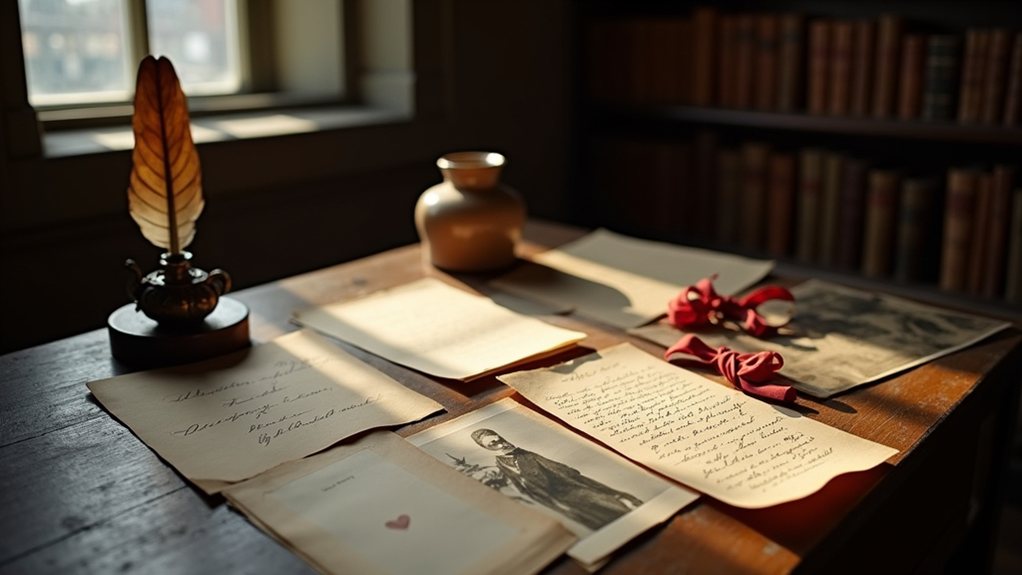

The “Love Letters” exhibition at The National Archives offers visitors a unique glimpse into the personal and often secretive world of romantic correspondence over the past 500 years. This exhibition showcases a collection of love letters that reveal intimate correspondence from various social classes. The documents highlight not only the emotional dimensions of love but also the historical contexts in which these relationships unfolded.
Among the significant pieces is a poignant plea from Lord Alfred Douglas to Queen Victoria, seeking a pardon for his lover, Oscar Wilde. This letter illustrates the struggles faced by same-sex couples in a time when such relationships were heavily stigmatized.
Additionally, the exhibition features a letter from Catherine Howard, which serves as a warning to Thomas Culpeper about the dangers of their secret affair. Their relationship ultimately led to both their executions, showcasing the severe consequences that could arise from illicit love during that era.
The exhibition does not shy away from the complexities of love; it includes intimate letters from John Cairncross to Gloria Barraclough. These letters reveal a softer side of Cairncross, who was known publicly as a spy during World War II, showing that even those in high-stakes positions had personal, vulnerable moments.
The display also features medieval songs lamenting heartbreak and classified ads that sought same-sex romances, further emphasizing the diverse expressions of love throughout history. Each letter and document reflects a unique story, providing insights into how love has been communicated through the ages.
The “Love Letters” exhibition at the National Archives invites visitors to explore these secret love stories, offering a rich tapestry of human emotions and relationships that transcends time. By engaging with these intimate correspondences, attendees gain a deeper understanding of the complexities of love, revealing how it has shaped and been shaped by the world around it.