
After more than a century’s absence, brewing has returned to the heart of London with the opening of the Guinness Open Gate Brewery in Covent Garden. The £73 million facility, which opened to the public on December 11, stands on the historic site of Combe & Co., an 18th-century brewing powerhouse in London’s famed porter district.
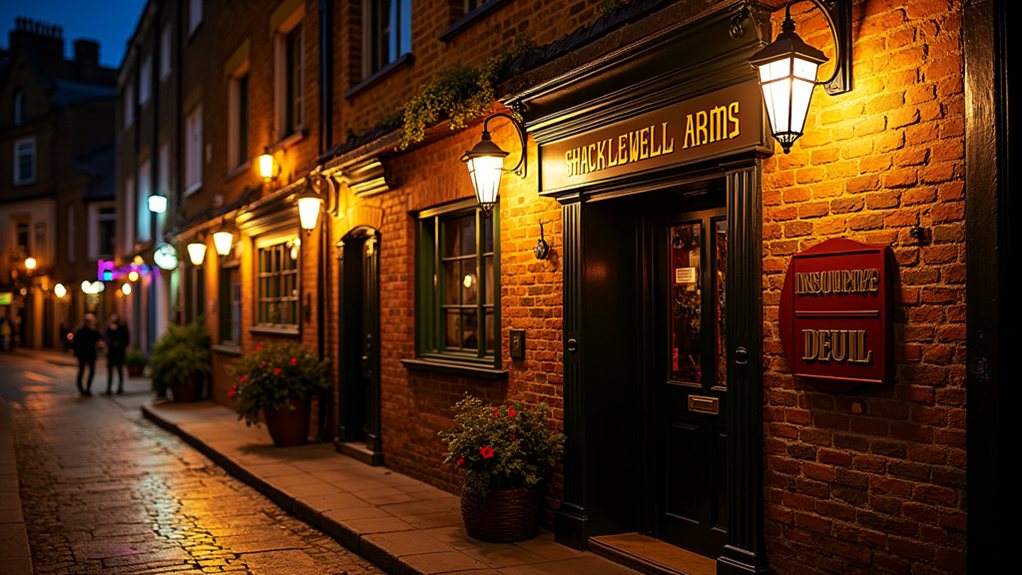
The brewery’s location in Old Brewers Yard carries deep historical significance, with the first reference to a brewhouse on the site dating back to December 1719. Founded by John Shackley, a freeman of the Brewer’s Company and timber merchant, the site later inspired Arthur Guinness to create his iconic recipe at St James’s Gate after experiencing London porter.
Unlike traditional Guinness production facilities, this micro-brewery focuses on creating bold new recipes rather than brewing the standard stout. The facility marks Guinness’s fourth Open Gate Brewery worldwide and represents a $97 million global expansion project in the UK capital.
Innovation takes center stage as Guinness’s fourth Open Gate Brewery focuses on experimental brewing rather than traditional stout production.
Visitors can now book tour tickets and restaurant reservations to experience this brewing revival.
The architectural design honors the site’s heritage, featuring tall arched windows, iron columns, and brick-arched basements that blend Georgian and Victorian elements. This attention to historical detail connects modern brewing innovations with centuries of tradition. This initiative reflects Guinness’s longstanding commitment to innovation that began with their pioneering quality control efforts in 1899. The brewery team emphasizes sustainable brewing practices while developing innovative beer flavors.
Beyond production, the brewery creates up to 250 new jobs and serves as the southern UK hub for Diageo’s Learning for Life programme, which provides free hospitality training. Starting in April next year, the program will graduate approximately 100 students annually for careers in the hospitality industry.
The opening represents a full circle moment for Guinness, whose connections to London date back to 1796 when imports began. In 1901, the site bottled Guinness Extra Stout under Combe, Watney, Reid.
Today, one in seven pints served in London is Guinness, demonstrating the brand’s enduring popularity in a city where its brewing journey began nearly three centuries ago.
The complex spans 54,000 square feet across four buildings, including what was previously a popular H&M retail store.