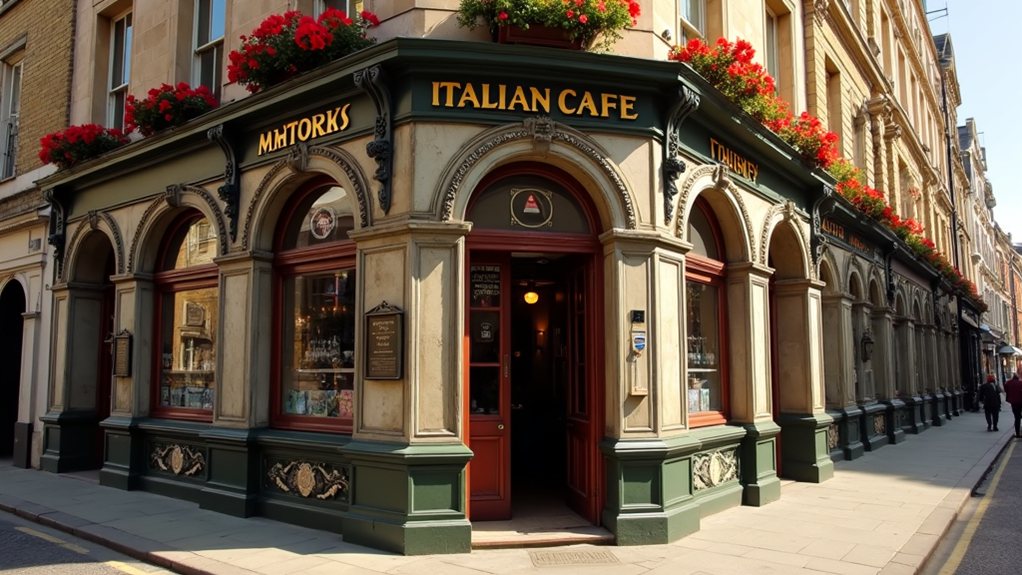
At the heart of the United Kingdom’s thriving hospitality sector stands London, a powerhouse that dominates the nation’s food scene with over 11,400 restaurants in 2025. This impressive figure represents a 4.6% growth since 2023, showcasing the resilience of the capital’s culinary landscape despite significant challenges. The city’s restaurants generate 22.6% of the UK’s total hospitality revenue, making it an essential economic engine for the industry.
London’s restaurant sector has shown remarkable employment growth, adding 45,000 jobs in restaurant and mobile food services from 2021 to 2022. This growth comes despite the broader hospitality sector losing over 124,000 payrolled employees nationwide from 2024 to 2025. The capital’s dining establishments benefit from customer spending that averages 32% higher than the national average, helping businesses weather economic storms.
The geographic concentration of restaurants in Westminster, Camden, and Tower Hamlets creates competitive clusters that drive innovation and excellence. These areas attract both tourists and locals with high disposable income, fueling the premium dining segment that has experienced a 24% surge compared to 2023. This growth occurs against the backdrop of a nationwide restaurant count that decreased by 1.3% year-over-year.
Profitability remains a constant challenge for London restaurants. While chain establishments enjoy margins between 10-12%, independent restaurants typically operate on thinner 4-6% margins. Rising costs present significant hurdles, with labor expenses now representing 31.2% of revenue, an increase of 1.8% over previous years. The industry struggles with a concerning 6% turnover rate that creates additional recruitment and training costs for already strained budgets. Additionally, minimum wage increases and higher Employer National Insurance Contributions continue to squeeze already tight margins. Experience-focused dining is becoming increasingly important as 70% of guests are willing to pay premium prices for unique culinary experiences. Many operators are responding with menu streamlining to manage costs while maintaining quality standards.
Despite these obstacles, the UK foodservice market is projected to grow at a 6.64% CAGR through 2030, reaching a value of $144.5 billion. London’s restaurants will likely lead this expansion as they adapt to changing consumer preferences, with online bookings now accounting for 63% of all reservations. The capital’s culinary scene continues to demonstrate extraordinary resilience in the face of economic uncertainty.