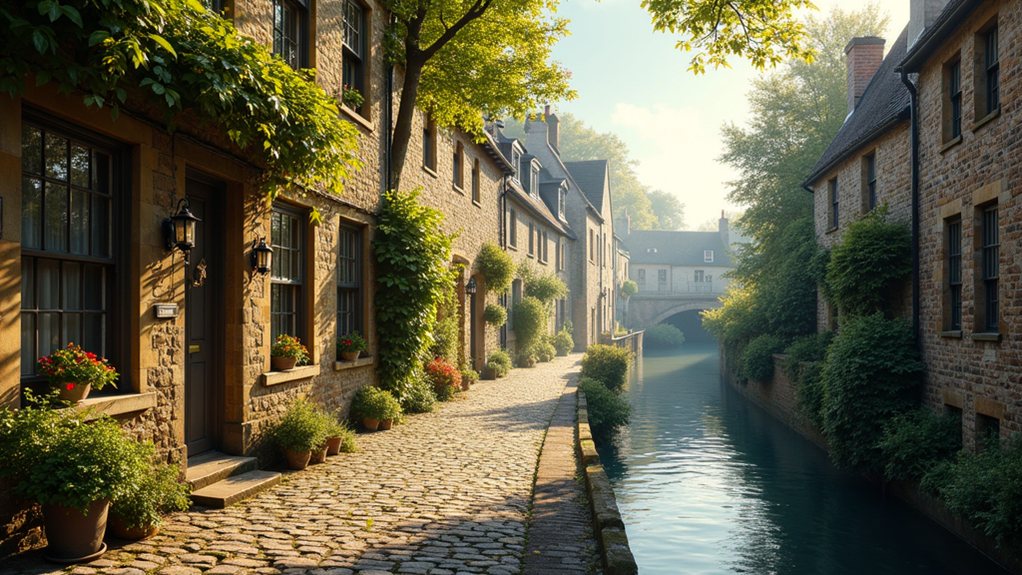

Nestled in the picturesque valley of the River Alun within Pembrokeshire Coast National Park, St. Davids stands as the United Kingdom’s smallest city by both population and urban area. With an urban footprint of merely 0.23 square miles, this Welsh gem offers a stark contrast to London’s sprawling metropolis. The city, named after Wales’s patron saint, houses just 1,751 residents according to 2021 data, creating a peaceful atmosphere rarely found in urban settings.
St. Davids earned its city status in the 12th century when cathedral towns were granted this designation. Although it lost this status in 1886, Queen Elizabeth II restored it in 1994, preserving its historical significance. The community area spans 17.96 square miles of southwestern Wales, near the westernmost point in the country, creating a sanctuary of tranquility away from urban chaos.
At its heart stands Wales’s largest cathedral, the final resting place of Saint David. This impressive structure sits in a sheltered valley, surrounded by four streets that meet at Cross Square marketplace. The cathedral’s architecture showcases a fascinating transitional Norman style that was established in the late 12th century. Nearby, visitors can explore the ruins of the early 14th-century bishop’s palace and the College of St. Mary, dating back to approximately 1377, offering glimpses into centuries of Welsh history.
The surrounding landscape enhances St. Davids’ peaceful character with isolated golden beaches, coastal walks, and rare ecosystems. Pope Calixtus II once declared that two pilgrimages to St. Davids were equivalent to one pilgrimage to Rome, highlighting its historical spiritual significance. Visitors can discover Neolithic tombs, Bronze Age stones, healing wells, and tiny chapels scattered throughout the area, adding layers of historical significance to the natural beauty.
While London bustles year-round, St. Davids experiences a gentle rhythm, sleeping quietly in winter and maintaining a respectful calm even during summer months. The city’s resident population of approximately 1,850 contributes to its serene ambiance that visitors find so appealing. Families, explorers, and pilgrims are drawn to its pure fresh air, traditional Welsh hospitality, and array of accommodations ranging from B&Bs to cottages.
For those seeking escape from metropolitan frenzy, this tiny city offers marine tours and adventure activities amid breathtaking tranquility that has endured for centuries.