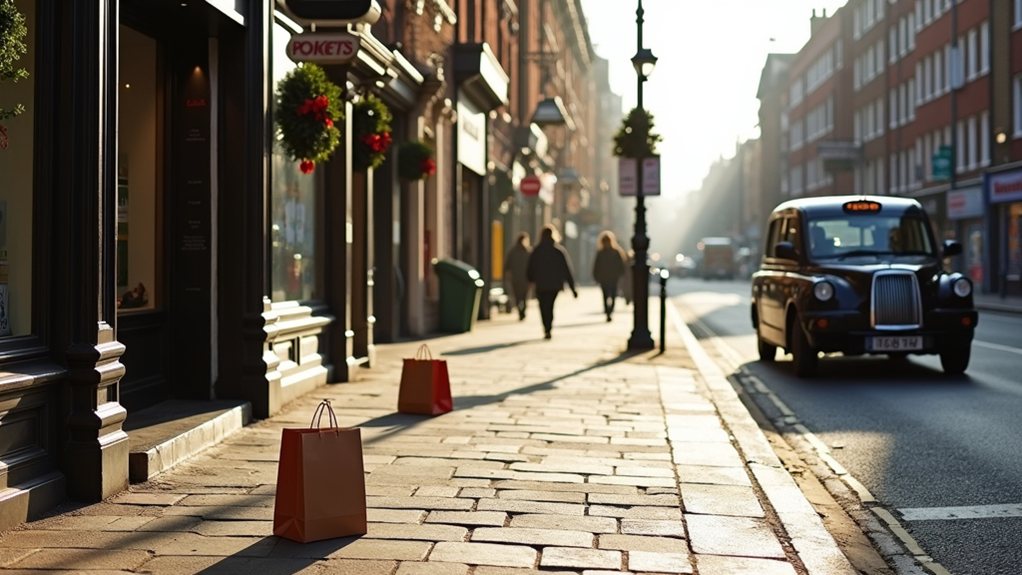
In a significant step toward enhancing urban life, Mayor Sadiq Khan has granted final approval for the pedestrianisation of Oxford Street, set to be completed by September 2026. This plan aims to create a car-free experience from Great Portland Street to Orchard Street, allowing pedestrians to enjoy the area without the disturbance of traffic.
The initiative seeks to improve safety and visitor enjoyment while positioning Oxford Street as a leading global shopping destination. This move comes in response to increasing competition from cities like Paris and New York.
The pedestrianisation of Oxford Street will ban all private motor vehicles, buses, and taxis permanently. However, service and delivery vehicles will have restricted access, allowed only between midnight and 07:00. This regulation is designed to reduce congestion and enhance the overall shopping experience for visitors.
The new plan will permanently ban private vehicles, buses, and taxis on Oxford Street, allowing service vehicles limited access overnight to enhance visitor experience.
The proposals for this project were shaped by extensive community consultation, with about 63% of Londoners expressing support for the changes. A pilot run scheduled for September 2025 is expected to provide valuable insights, as previous trials reported a 25% increase in local tube station usage.
Future improvements on Oxford Street will include wider pedestrian crossings and additional cycle routes. These enhancements aim to create a more accessible and enjoyable environment for everyone.
The plans also include commitments to monitor community concerns, particularly regarding accessibility for disabled individuals. With these measures, the city is taking a significant step towards fostering a more inclusive and vibrant shopping atmosphere.
As the project progresses, the community’s feedback will play an essential role in shaping the final outcome. By focusing on pedestrianisation, Sadiq Khan’s administration is prioritizing public spaces and aiming to make Oxford Street a safer and more inviting location.
This transformation could lead to a more dynamic urban landscape, benefiting both residents and visitors alike.