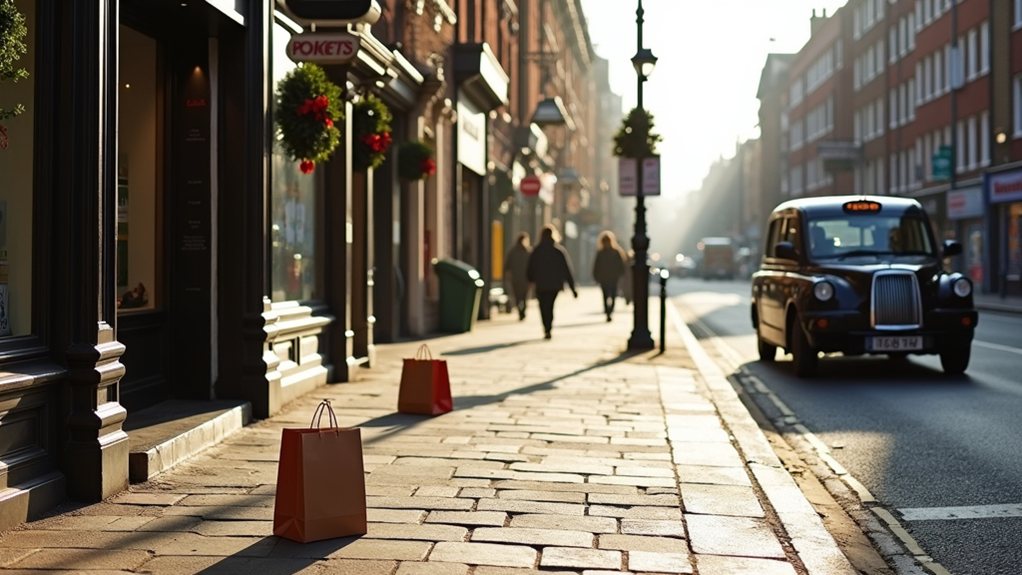

Despite retailers slashing prices in hopes of attracting post-Christmas shoppers, Londoners have largely abandoned traditional high street bargain hunting this year. Central London locations recorded a nearly 8% drop in footfall compared to last year, reflecting a broader trend across UK high streets, which saw a 10.9% decline in shopper numbers by mid-afternoon on Boxing Day.
The reduced enthusiasm for in-store shopping stems from several factors, with cost concerns being paramount. Almost 70% of consumers cited financial pressures as a reason for cutting back on spending, a significant increase from less than half of shoppers expressing similar concerns last year.
Economic anxiety has reached a tipping point, with 70% of shoppers now limiting expenditures due to financial constraints.
This economic anxiety has led to fewer Londoners planning to participate in Boxing Day sales, with only 26% of shoppers nationwide intending to hunt for bargains, down from 28% in 2023. Major retailers have adjusted to changing consumer habits by launching sales earlier, sometimes as early as Christmas Eve.
This shift has diminished the unique appeal of Boxing Day as a shopping event. Additionally, several prominent stores including John Lewis, Marks & Spencer, and Next chose to remain closed on Boxing Day, further reducing options for traditional shoppers.
The pandemic has accelerated changes in how Londoners approach the holiday season, transforming Boxing Day from a shopping tradition into a family holiday. Many consumers now prioritize spending time with loved ones over searching for discounts in crowded stores.
This cultural shift is reflected in spending forecasts, with Barclays predicting a £1 billion decrease in Boxing Day spending compared to last year. Retail analysts expect total consumer spending to reach approximately £3.6 billion this year, significantly lower than the £4.6 billion spent during last year’s Boxing Day sales.
While high streets struggled, retail parks saw a 6.9% increase in visitors, and evening shopping rose by 9.6% year-on-year. The most significant change, however, is the continued migration to online shopping, with over 11 million people choosing to browse deals from home—a 3.6% increase from last year.
The difficult economic climate has put unprecedented pressure on retailers, with financial distress affecting over 2,100 UK retailers who now face potential bankruptcy in the coming months.
More than half of shoppers purchased at least 50% of their Christmas gifts online, confirming the digital transformation of London’s retail landscape.