The Museum of Natural History in Oxford is open daily from 10:00 AM to 5:00 PM, with free entry though donations are welcome. Groups of ten or more should book in advance. Guided tours cost about $26, and combination tickets grant access to the nearby Pitt Rivers Museum. Highlights include the Megalosaurus fossil and the Oxford Dodo. The museum offers accessible facilities, a café, and a gift shop. Additional visitor information and travel tips follow below.
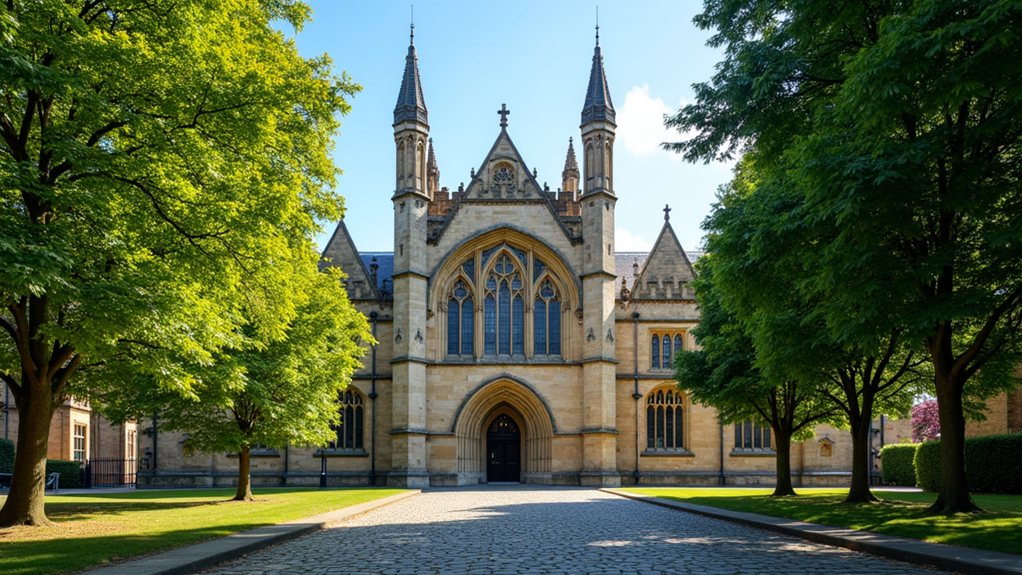
The Museum of Natural History in Oxford is located on Parks Road, close to the Bodleian Libraries and the Pitt Rivers Museum. Established in 1860 as a center for university scientific collections, the museum is housed in a neo-Gothic Victorian building from the 1850s, reflecting the architectural influence of John Ruskin. It holds over seven million specimens, including fossils, skeletons, and geological samples, making it a significant resource for natural history. The museum also offers guided tours that challenge traditional views by exploring the intentions and implications behind the collections and how they contribute to our understanding of cultural institutions.
Visitors enter free of charge, though donations are encouraged, and groups of ten or more are required to book in advance. The museum operates daily from 10:00 AM to 5:00 PM throughout the year. Individual visitors do not need tickets to enter, but those interested in guided tours must book ahead. Tours typically start at around $26 and cover general museum highlights or specialized topics such as the history of medicine. Combination tickets are often available, allowing access to the adjacent Pitt Rivers Museum as well. These guided experiences emphasize the scientific importance of the specimens and provide deeper insight into the collections.
Key exhibits include the world’s first scientifically described dinosaur, Megalosaurus bucklandii, and the Oxford Dodo, a rare preserved specimen with soft tissue remains from the extinct bird. The museum also features an extensive Middle Jurassic dinosaur fossil collection and fossils ranging from the Archean era, about 2.7 billion years ago, to the Pleistocene epoch, approximately 11,700 years ago. The Museum’s significant collection of natural history specimens is renowned worldwide.
Visitors can enjoy the museum café, “Eat the Future,” which offers plant-based food choices inspired by current exhibitions. The gift shop sells educational items such as fossils and stationery. Educational programs and events are regularly held for schools and the public.
The museum encourages sustainable travel, advising visitors to use public transport or Park and Ride services, as parking is limited and the city center is subject to a congestion charge. It is accessible by buses 14, 14A, and 500, and is about a 20-minute walk from Oxford train station. Facilities accommodate visitors with disabilities, including ground-floor access and lifts.
Frequently Asked Questions
Is Photography Allowed Inside the Museum?
Photography is allowed inside the museum for personal use only.
Visitors must not use camera tripods without prior written permission. Flash photography and additional lighting are generally prohibited to protect exhibits.
Images must not infringe copyright, and some items may have specific photography restrictions. Commercial or professional photography requires prior approval and permits.
Visitors should respect privacy by not photographing others without consent and avoid any actions that could harm or disturb exhibits.
Are There Guided Tours Available for Visitors?
Guided tours are available at the Oxford University Museum of Natural History, including the specialized (Un)Natural History Museum Tour, led by academics or student guides.
These tours last from 15 minutes to two hours and explore key exhibits while addressing historical and cultural contexts.
Tours require booking, have small group sizes for personalized experiences, and are wheelchair accessible.
Visitors should check official websites for schedules, pricing, and availability, noting no-group days on Saturdays.
Can I Bring My Pet to the Museum?
Pets are not allowed inside the museum due to the risk of ‘passenger’ insects that could harm the natural history specimens.
Only assistance animals, such as guide dogs, are permitted and must be kept on a lead and wear identification like a harness or jacket.
Visitors with assistance animals should notify the museum in advance if the animal is not a dog.
Assistance animals must remain with their owners and be controlled at all times.
Are There Facilities for Visitors With Disabilities?
The Museum provides various facilities for visitors with disabilities, including an accessible entrance on the south side, a passenger lift connecting floors, and wheelchair-accessible toilets near this entrance.
Caregivers and mobility aids can join tours free of charge, with service animals allowed throughout. Tours are designed for accessibility, featuring rest spots and adaptations for hearing or visual needs.
On-site blue badge parking is limited but available, with additional nearby options and clear public transport access.
Is There a Café or Restaurant On-Site?
The Oxford University Museum of Natural History has two cafés on site.
Eat the Future, located in the Upper Gallery, offers hot lunches, salads, and vegetarian or vegan options focused on sustainability.
Horsebox Coffee, a small outdoor café on the lawn, serves coffee and sweet treats.
Both cafés are accessible, with staff assistance available.
No reservations are needed, and picnic areas inside allow visitors to bring their own food if preferred.