Mystery surrounds the ancient organ of the Valère Basilica in Sion, Switzerland, which stands as Europe’s rarest musical treasure. Dating back to 1435, this remarkable instrument is recognized as the oldest playable organ in the world, defying earlier assumptions about a lost 19th-century organ in a UK school. The Valère organ’s significance lies not only in its age but also in its remarkable preservation, allowing modern audiences to experience medieval music as it originally sounded nearly six centuries ago.
The organ resides in the basilica atop a hill in Sion, where it has survived centuries of European conflicts and changing musical tastes. Unlike many historic organs that underwent substantial modifications over time, the Valère instrument retains much of its original pipework and mechanical action. This authenticity provides musicologists and historians with invaluable insights into medieval organ construction and performance practices that would otherwise remain theoretical.
Perched above Sion, the Valère organ offers a rare, unaltered window into medieval musical engineering and practice.
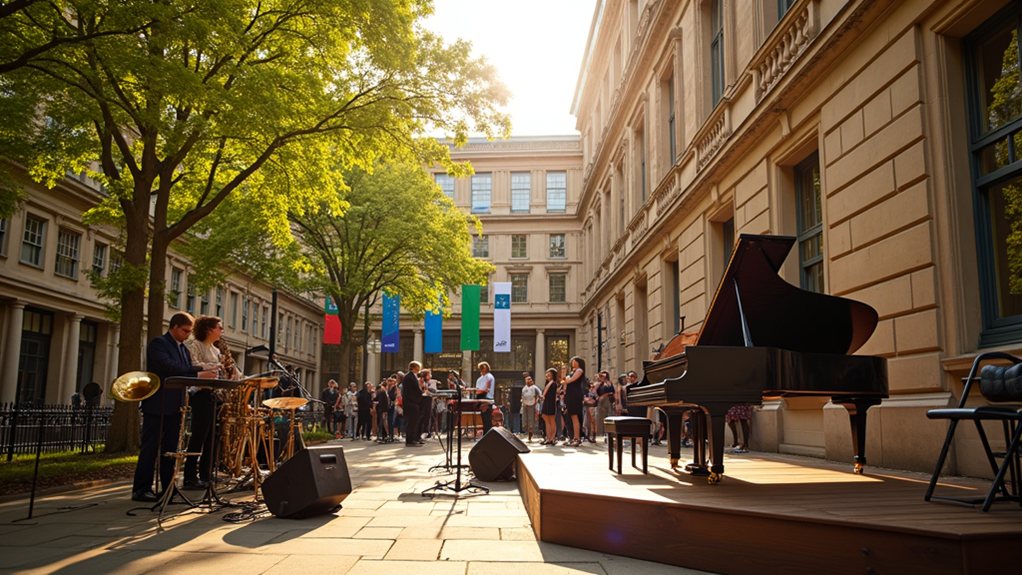
Experts note that while the search for rare musical treasures often focuses on lost instruments from more recent periods, such as 19th-century organs from British institutions, the documented history of the Valère organ establishes its primacy in the pantheon of European musical artifacts. The instrument features approximately 135 pipes, a modest number compared to later organs but typical of its era when organs served primarily to support sacred vocal music rather than perform as solo instruments. The recent performance on the oldest organ in Christendom after 800 years represents another significant milestone in European organology, demonstrating the enduring importance of preserving these musical treasures. The instrument delivers bright, resonant tones that transport listeners back to the medieval period, offering a sonic experience unavailable elsewhere. The International Ancient Organ Festival, founded in 1969, celebrates this magnificent instrument through annual performances that attract music enthusiasts from around the world.
Other notable historic organs exist throughout Europe, including the massive instrument at St. Stephen’s Cathedral in Passau, Germany, which boasts 17,774 pipes and 233 registers, making it Europe’s largest pipe organ. Additionally, a recently reconstructed medieval organ in Jerusalem has attracted attention from scholars, though it lacks the continuous playing history of the Swiss treasure.
Conservation efforts for these instruments involve specialized knowledge in both musicology and preservation techniques. Temperature, humidity, and even the composition of air pollutants must be carefully monitored to prevent damage to delicate wooden and metal components.
Through these efforts, the Valère organ continues to sound across the centuries, preserving a direct connection to Europe’s medieval musical heritage.