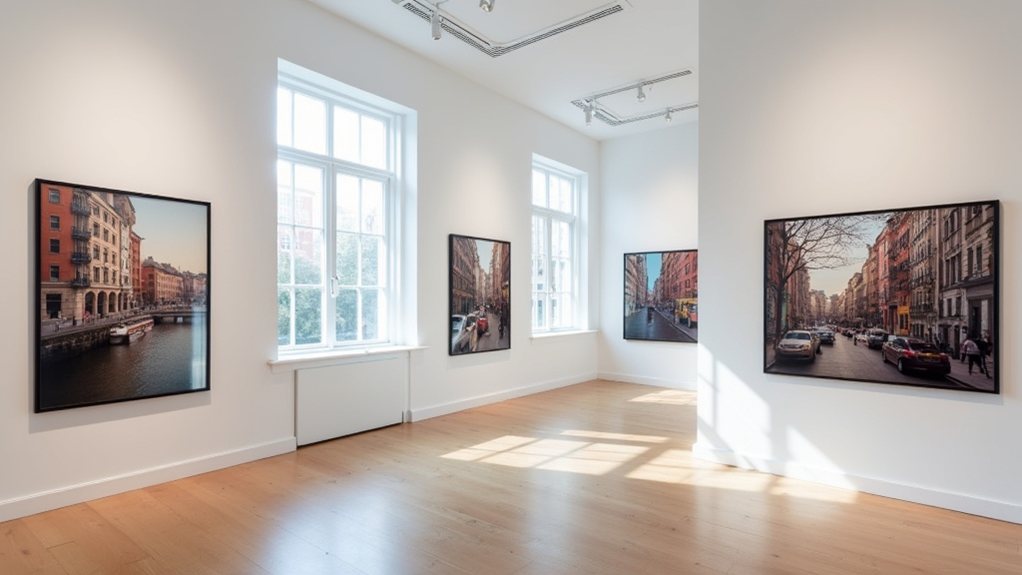
A new exhibition honoring Estonian artist Konrad Mägi opened on March 24 at the Dulwich Picture Gallery in London, running until July 12. This exhibition marks the first solo show of an older generation Estonian artist in Great Britain, showcasing over 60 works that span various periods of Mägi’s career. Viewers can expect to see a range of themes, including radiant skies and psychologically charged portraits, which reflect Mägi’s innovative approach to art. His significant contributions to Estonian modernism are evident in the works displayed.
Mägi’s art is deeply influenced by his personal struggles and travels, which adds layers of meaning to his work. The exhibition aims to elevate Mägi’s recognition within the international art community, showcasing the depth of his artistic vision.
Mägi’s personal struggles and travels enrich his art, revealing profound layers of meaning and enhancing his international recognition.
To enhance this experience, the exhibition features a site-specific installation by contemporary Estonian artist Kristina Õllek. This installation reflects on Mägi’s enduring influence and connects the past with the present, emphasizing the relevance of his work today.
The event is supported by major partners, including the Art Museum of Estonia, and sponsors like the Konrad Mägi Foundation. These collaborations highlight the cultural ties between Estonia and Great Britain, enriching the context of the exhibition.
In an age where technology plays a growing role in the arts, the use of AI could provide new perspectives on Mägi’s work. For example, using AI tools can help analyze patterns and themes in his paintings, allowing viewers to engage with his art in innovative ways.
The use of artificial intelligence in art analysis is becoming more common, offering fresh insights into the creative process. While the exhibition honors Mägi’s legacy, it also opens the door for discussions about how contemporary technology, including the use of AI, can deepen our understanding of historical artists and their contributions to culture.