
The London Design Museum is open daily with varying hours, so checking the official website before visiting is advised. General admission is free for the permanent collection, while tickets are required for special exhibitions, which often sell out. Highlights include over 1,000 design objects, such as the Model T Ford and London 2012 Olympic Torch, housed in a striking 1960s building with a futuristic roof. Visitors can also attend talks and workshops. Additional details follow.
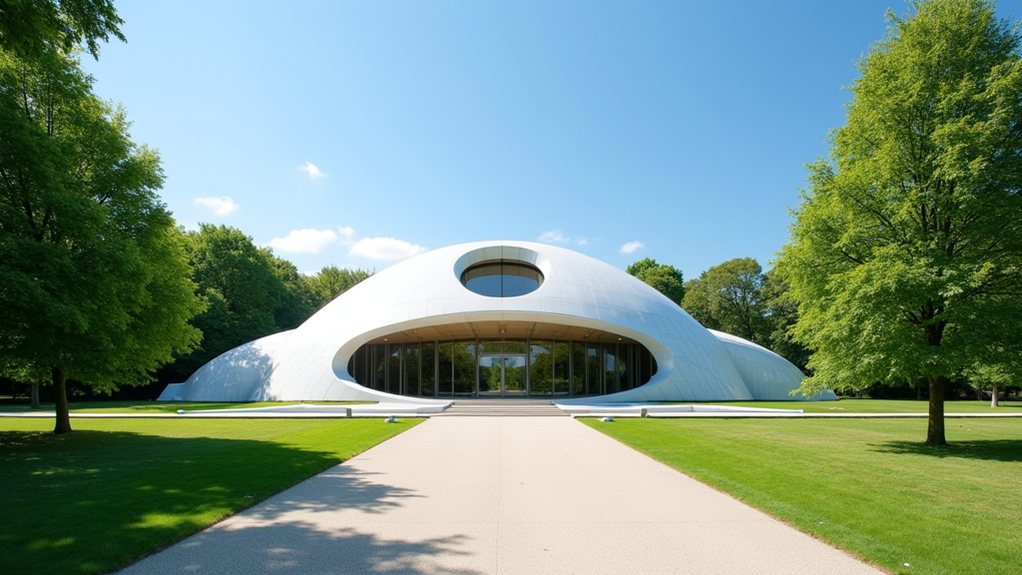
The London Design Museum offers a thorough view of design through its extensive permanent collection, temporary exhibitions, and architecturally significant building. Visitors can explore the permanent collection titled Designer Maker User, which includes over 1,000 objects that represent the evolution of design from simple everyday items to complex machines.
This collection is divided into three sections: Designer, focusing on concept and creativity; Maker, highlighting manufacturing and production; and User, examining interaction and experience. The collection features a wide range of materials and methods, showcasing items such as spoons, chairs, computers, and vehicles. Notable highlights include iconic objects like the Model T Ford and the London 2012 Olympic Torch, shown at different stages of production. This arrangement emphasizes the relationship between design, makers, and users, illustrating the story of mass production and the digital revolution.
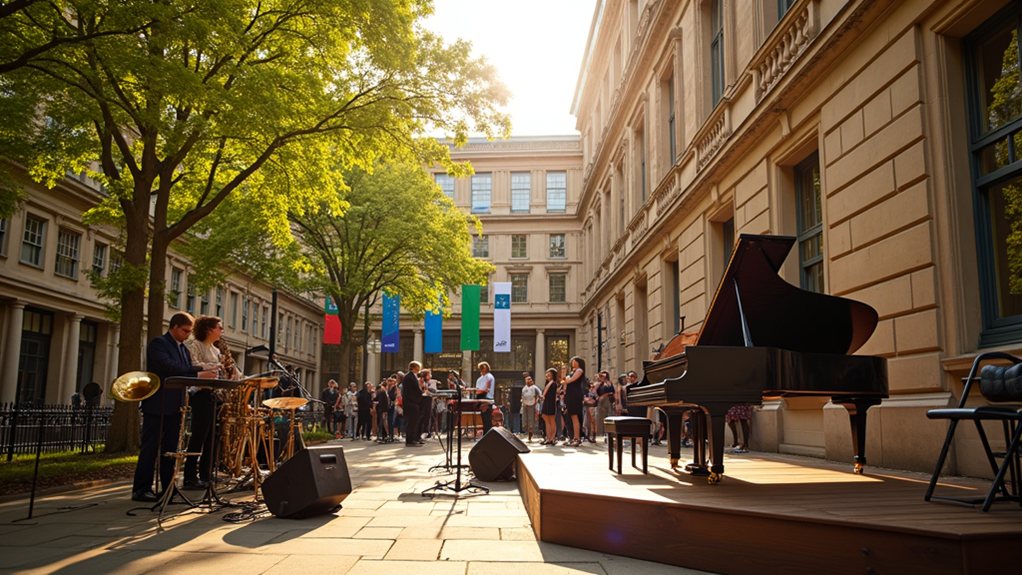
The museum hosts four world-class temporary exhibitions annually, covering themes such as fashion, film, design, and lifestyle. Past exhibitions include Barbie: The Exhibition, which traced the design and marketing evolution of the Barbie doll, and a Tim Burton exhibition that attracted 260,000 visitors. Admission to the permanent collection is free, but special exhibitions like these require tickets, often selling out quickly, so it is recommended to book in advance to secure entry free permanent collection. The museum was named European Museum of the Year in 2018, highlighting its prominence in the cultural landscape. One upcoming event is a major exhibition on the Blitz club night, which transformed 1980s London style and had a significant impact on popular culture.
Other shows have examined cultural phenomena like the 1980s Blitz club night and contemporary design practices. Free temporary exhibits on the museum’s balconies display innovative and experimental work, serving as platforms for the Future Observatory research initiative.
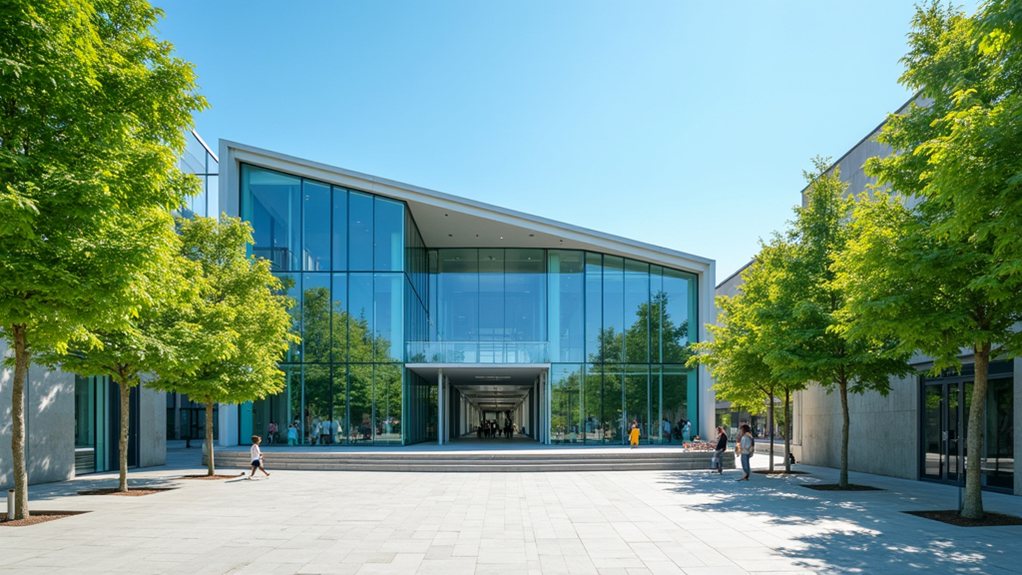
Housed in a 1960s Grade II* listed former Commonwealth Institute building, the museum features a futuristic double paraboloid roof. The building blends with the leafy surroundings of Holland Park and demonstrates engineering innovation.
It provides flexible exhibition spaces, allowing for large installations, and includes multiple learning areas plus a 202-seat auditorium for workshops and events.
These attributes make the London Design Museum a key destination for those interested in design’s past, present, and future.
Frequently Asked Questions
Is Photography Allowed Inside the Design Museum?
Photography is generally allowed inside the Design Museum for personal use, especially in permanent collection areas.
Flash photography is prohibited to protect exhibits. Special exhibitions often restrict photography, so visitors should follow on-site signs and ask staff if unsure.
Use of tripods or professional equipment requires prior permission. Commercial filming needs advance approval and booking.
Visitors are advised to check current rules upon arrival, as policies may vary by exhibition and time.
Are There Guided Tours Available at the Museum?
Yes, guided tours are available at the museum, including multisensory audio-described tours for visually impaired visitors, free 20-minute walking tours focusing on architecture, and private group tours led by Design Experts.
Specialized and out-of-hours tours with catering options are offered for groups up to 30. Booking in advance is required for private tours, and the Access team assists with arrangements.
Tour availability varies, so contacting the museum for current details is recommended.
Is the Museum Wheelchair Accessible?
The museum is fully wheelchair accessible, with level access and lifts serving all floors, including exhibitions and shops.
Wheelchair-accessible toilets are available on multiple levels, and wheelchairs can be hired by booking at least 24 hours in advance.
Disabled parking spaces require a 72-hour booking notice. Assistance dogs are welcome, and seating, hearing loops, magnifying panels, and accessible lockers support visitors with mobility or sensory needs.
Pre-booking tickets is recommended for ease of entry.
Can I Bring My Own Food or Drinks?
Visitors may bring their own food and drinks to the Design Museum, but consumption is allowed only in designated areas such as the atrium seating on the ground floor and mezzanine.
Eating or drinking inside exhibition galleries is prohibited, except for bottled water.
The museum emphasizes cleanliness and proper waste disposal.
On-site cafés also offer a variety of ethically sourced food and beverages, with staff enforcing these rules to protect exhibits and maintain a tidy environment.
Are There Any Membership or Annual Pass Options?
Yes, the museum offers individual memberships starting at £55 annually via Direct Debit or £60 by card.
Benefits include unlimited free entry to exhibitions without pre-booking, discounts in the café and shops, and priority event access.
Student and access memberships are available for £45.
Family and guest options provide access for additional adults and children.
Corporate memberships offer tailored benefits for businesses, including event invitations and networking opportunities.
Membership activates instantly with a digital card.