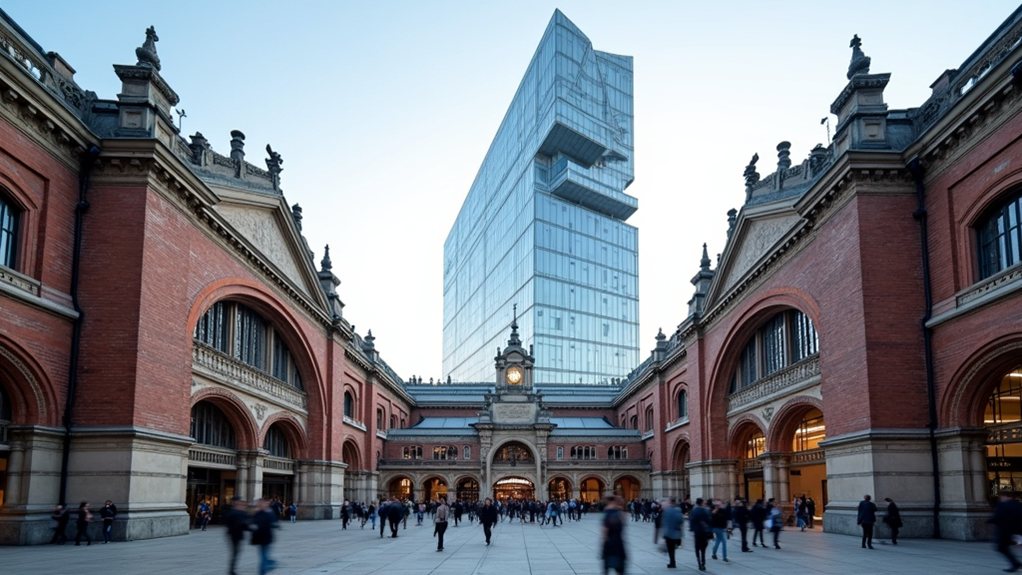

As the $1.2 billion makeover of Liverpool Street Station moves forward, it faces the challenge of modernizing a historic site while respecting its architectural heritage. This redevelopment aims to address the growing capacity and operational challenges that the station has encountered over the years. The station, which dates back to the 19th century, is known for its impressive Victorian design elements, making the task of modernization complex.
One of the primary concerns surrounding the project is historic preservation. Many stakeholders emphasize the importance of maintaining the architectural significance of the station, which has become an iconic part of London’s landscape. The transformation plan includes enhancements such as improved passenger facilities and increased retail spaces, which could potentially conflict with the goal of preserving the station’s character.
Retaining the historical features while adding modern amenities presents a delicate balancing act. Negotiations among various stakeholders are ongoing, as they work to find common ground between the needs of modern infrastructure and the requirements set by local heritage conservation authorities.
These discussions are vital, as the outcome of the redevelopment will set a precedent for future urban development projects. Finding the right approach to blend modern needs with historical integrity is essential to guarantee that Liverpool Street Station remains a treasured landmark.
The redevelopment project is not simply about upgrading the station; it is also about redefining how cities can grow while honoring their past. The decisions made during this process could influence how other historic sites are handled in urban areas.
As the work progresses, it will be important to monitor how effectively the project achieves its dual goals of modernization and preservation. The success of this venture may serve as a valuable case study for future efforts to enhance urban infrastructure without compromising historical significance.