Kew Gardens has four main entrances, with Victoria Gate being the most convenient near the train station. Tickets typically cost around £15, though checking online for discounts is suggested. Public transport, including the District Line and buses, is the preferred way to arrive due to limited parking. Visitors should wear comfortable shoes for exploring extensive grounds. Accessibility features include wheelchair-friendly paths and accessible toilets. To fully benefit from the visit, additional practical details and tips are available.
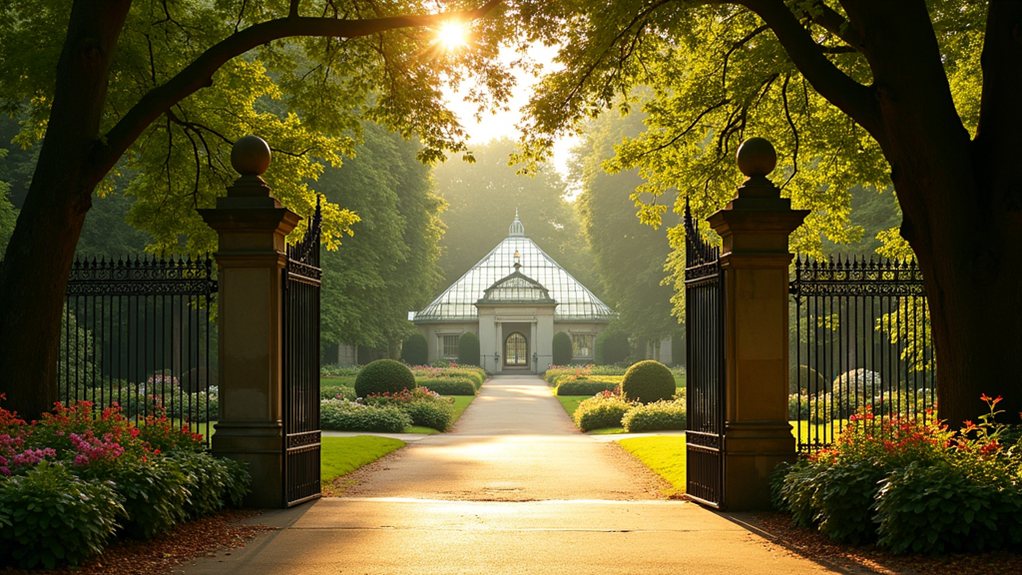
Although Kew Gardens can be accessed through four main gates, first-time visitors should note that each entrance offers different conveniences depending on their mode of travel and destination within the gardens.
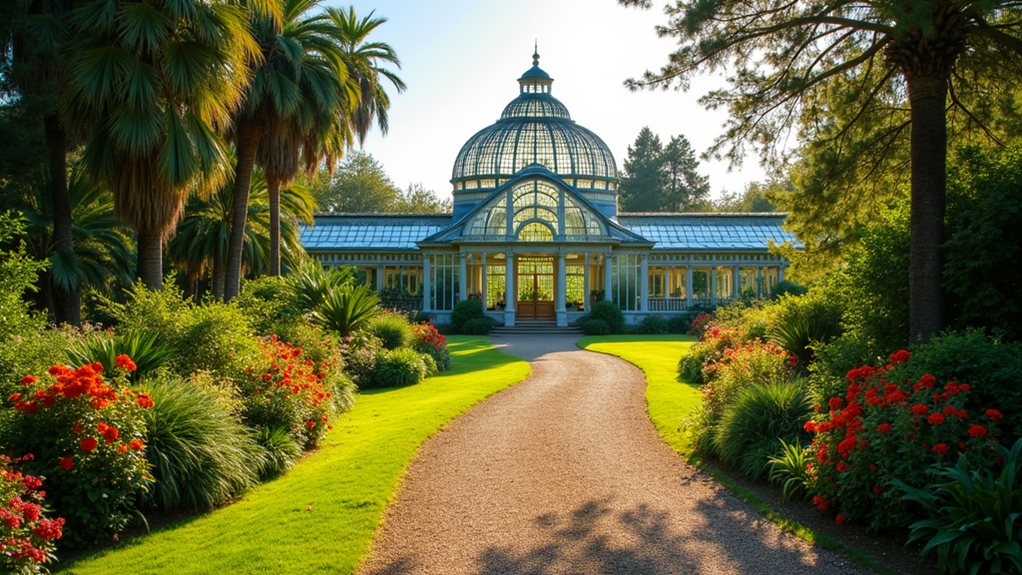
The Victoria Gate serves as the main entrance and is closest to Kew Gardens station, which is served by the London Underground District Line and London Overground. Visitors arriving by train will find a short walk to both the Victoria and Elizabeth Gates, the latter being quieter and located near Kew Palace. The gardens are also known for their impressive displays of diverse plant collections and landscapes.
Victoria Gate is the main entrance, conveniently near Kew Gardens station on the District Line and Overground.
Lion Gate is positioned near the Richmond side, while Brentford Gate offers a riverside entrance with parking facilities, making it suitable for those arriving by car. However, on-site parking is limited, so public transport is recommended for convenience.
Several bus routes, including 65, 237, and 391, provide direct access to the gardens, making travel options flexible. For those interested in a scenic arrival, river access is possible via a dock near Brentford Gate. The gardens cover 1.2 kilometers, making it the largest UNESCO heritage site in London. It is also home to over 50,000 living plants and more than 8 million preserved specimens, making it the world’s largest botanical collection. Kew Gardens represents nearly 95% of vascular plants and 60% of fungi worldwide, highlighting its importance in global plant conservation.
Tickets for entry cost about £15 for adults, with concessions available, and carers accompanying disabled visitors gain free entry. It is advisable to book tickets online to secure the best value and avoid queues.
The gardens open daily from 10:00 am, with closing times varying seasonally, typically around 3:15 pm or 6:00 pm. Last entry is usually allowed one hour before closing. Children under 16 must be accompanied by an adult, and access to the Children’s Garden requires a valid ticket and adult supervision. Membership options are available for unlimited visits and exclusive events.
Visitors are encouraged to arrive early to avoid crowds and make the most of both indoor and outdoor attractions. Comfortable walking shoes are recommended, as the grounds cover extensive areas with paved and natural pathways.
Weather conditions should be checked beforehand, and bringing layers is advisable since glasshouses can become warm. Maps are available at entrances to help navigate the site.
The gardens are mostly wheelchair accessible, with some exceptions like narrow paths and specific glasshouses. Accessible toilets are located near Victoria and Brentford Gates, some equipped with hoists and benches.
Assistance dogs are permitted, and carers receive free entry. The Kew Explorer Land Train offers a 40 to 45-minute tour with multiple stops, beneficial for visitors needing a break or limited time.
On-site cafés provide refreshments, though prices can be high, so bringing a picnic is an alternative.
Frequently Asked Questions
Can I Bring Pets Into Kew Gardens?
Pets are not allowed inside Kew Gardens, except for registered disability assistance dogs, which must be clearly identified and kept on a short lead or harness.
Assistance dogs in training are also permitted if recognizable and leashed. This rule helps protect visitors, plants, and wildlife.
Visitors should bring documentation like a Blue Badge to facilitate entry.
For dog owners seeking a pet-friendly visit, Wakehurst offers designated paths where dogs on short leads are welcome.
Are There Any Food Restrictions Inside the Gardens?
Food restrictions inside the gardens include no barbecues or picnic furniture such as tables and chairs.
Visitors may bring their own food and drink, but eating personal food is not allowed inside cafés or restaurants.
Alcohol may be restricted during special events.
Commercial food sales without authorization are prohibited.
Visitors must not bring plants or unassessed plant materials to prevent disease spread.
Rubbish must be disposed of properly to maintain cleanliness.
Is Wi-Fi Available Throughout Kew Gardens?
Wi-Fi is not available throughout Kew Gardens. It is limited to specific hotspots near visitor facilities such as Kew Palace, The Orangery café, and some shops.
Coverage is not continuous in general garden areas, so visitors should ask staff for hotspot locations. Mobile signal strength varies but generally supports internet access outside Wi-Fi zones.
For reliable connectivity, mobile data or hotel Wi-Fi is recommended when outside designated park hotspots.
Are There Locker Facilities for Storing Belongings?
Kew Gardens does not offer luggage lockers or left luggage facilities on-site.
Small cloakrooms accept coats and very small items but not large bags or suitcases.
Visitors with large luggage should use third-party storage services nearby, such as Radical Storage or LuggageHero, which provide secure, insured storage for various bag sizes.
Booking online in advance is recommended for convenience and access to flexible hours close to the garden entrances.
What Are the Nearest Public Transportation Options to Kew Gardens?
The nearest public transportation options to Kew Gardens include Kew Gardens Station, served by the District Line and London Overground, near Victoria Gate.
Kew Bridge Station on South Western Railway lies 10-15 minutes’ walk from Elizabeth Gate. Richmond Station is about 15 minutes away on foot or 5 minutes by bus 65 to Lion Gate.
Several buses, including routes 65, 237, and 267, stop near Kew Gardens entrances, offering frequent and convenient connections.