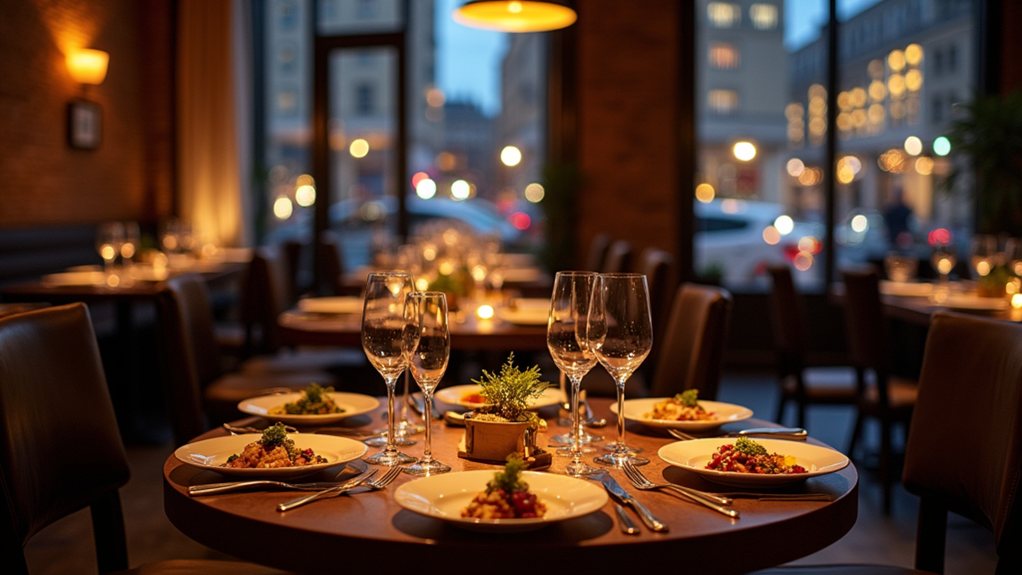

The culinary landscape of 1980s London offered a distinct dining experience that sharply contrasts with today’s diverse food scene. Amid the dominance of fast-food chains, Berni Inns, and fish and chip shops, a hidden restaurant tucked inside an unremarkable apartment block provided an authentic taste of the era’s dining culture. This establishment, much like the celebrated New Piccadilly Café in Soho, preserved a specific moment in London’s gastronomic history through both its menu and atmosphere. The perception of British cuisine during this time was widely regarded as overcooked and uninspired, reflecting the limited culinary imagination of the period.
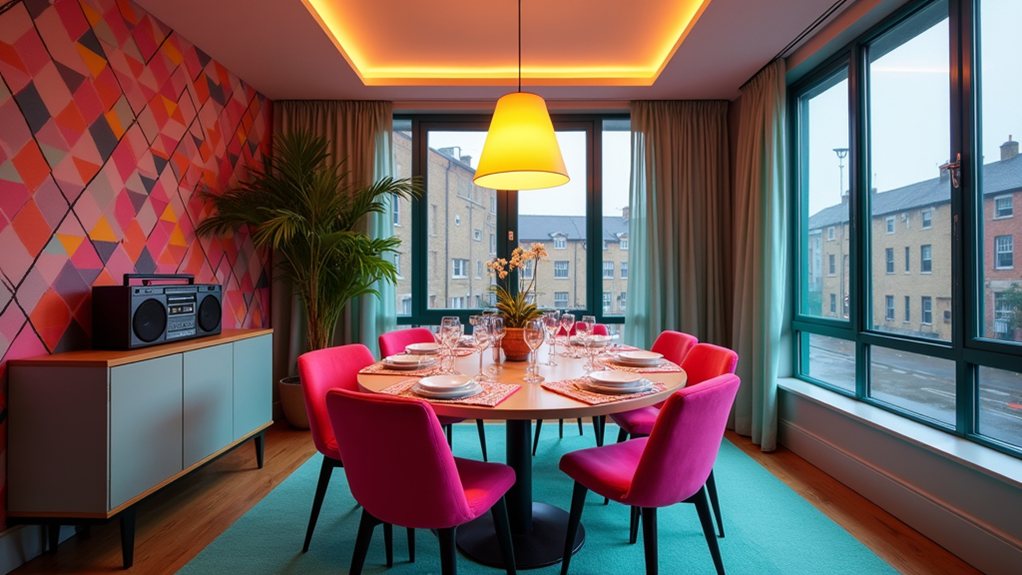
The restaurant’s interior featured the hallmark design elements of the period: formica tables, chrome fittings, and bold neon lighting that created an unmistakable 80s ambience. Banquettes lined the walls, with tables placed close together to maximize capacity in the converted flat space. The background music consisted of contemporary 80s pop and soft rock, enhancing the nostalgic atmosphere that would later become sought after by those reminiscing about the decade.
Step into a time-frozen corner of 80s London with chrome, neon, and Duran Duran — nostalgic dining perfectly preserved.
The menu remained largely unchanged throughout the years, with handwritten amendments or stickers indicating new offerings. Patrons could expect classic starters such as prawn cocktail, pâté, and garlic mushrooms. Main courses centered around hearty portions of steak, mixed grills, and gammon, typically served with jacket potatoes or chips. Drawing inspiration from American chains like Victoria Station, it offered great prime rib as one of its signature dishes. The dessert selection featured the period’s favorites: Black Forest gateau, profiteroles, and various ice cream sundaes that reflected continental influences.
Like many similar establishments from this era, this hidden gem operated with a blend of counter and table service, combining casual dining speed with traditional restaurant experience. It represented the early shift from heavy meat-and-potato meals toward slightly lighter, more international dishes that characterized late 1980s London dining.
While many such venues have disappeared, converted to chain outlets or retail units, this particular restaurant remained a time capsule, offering affordable, filling dishes that attracted local workers, residents, and those seeking respite from the predictable offerings of mainstream establishments in central London. As with the beloved Stockpot Restaurant on Kings Road, which finally closed its doors in 2017, this venue eventually succumbed to rising rents, becoming another casualty in London’s ever-changing culinary landscape.