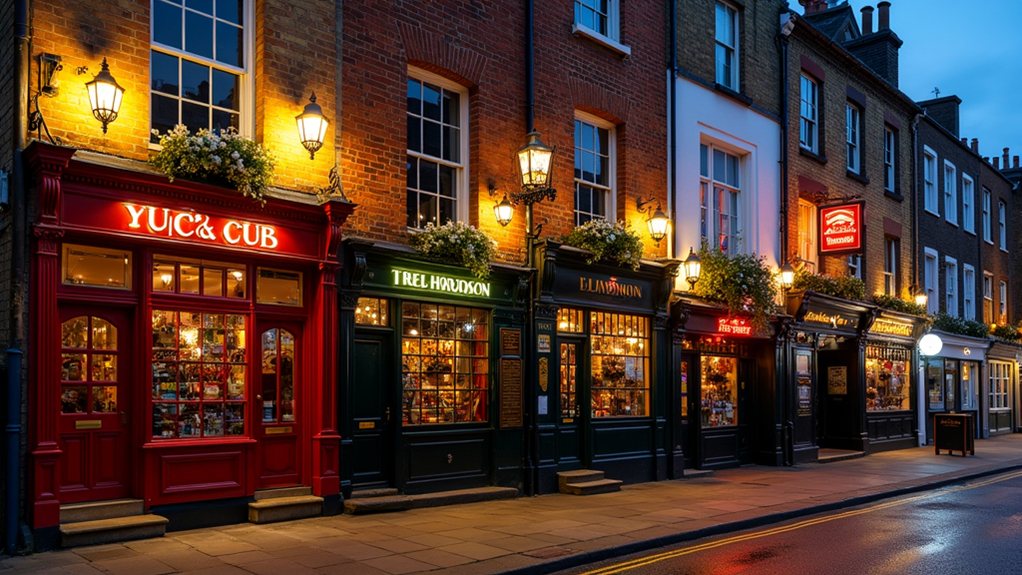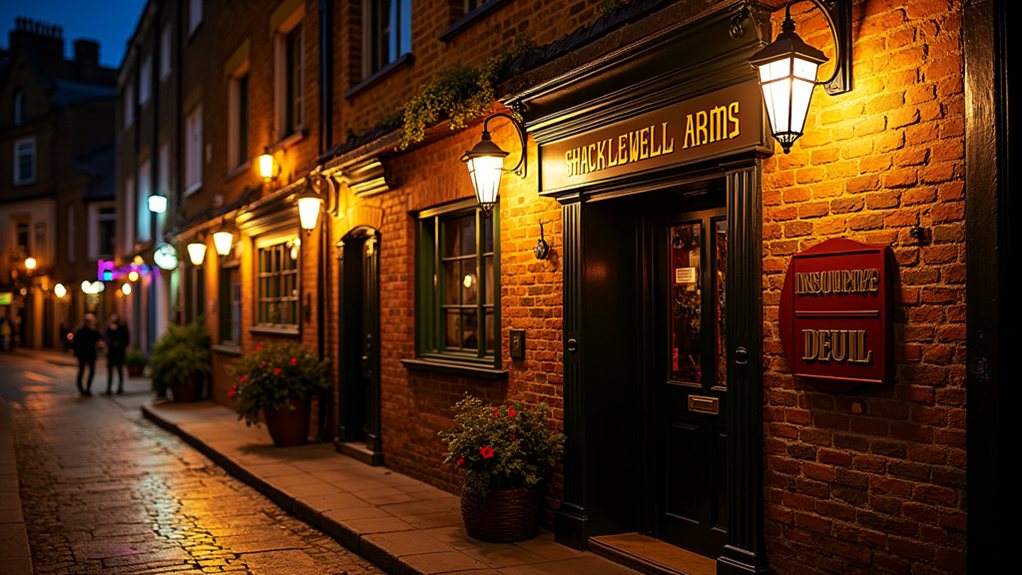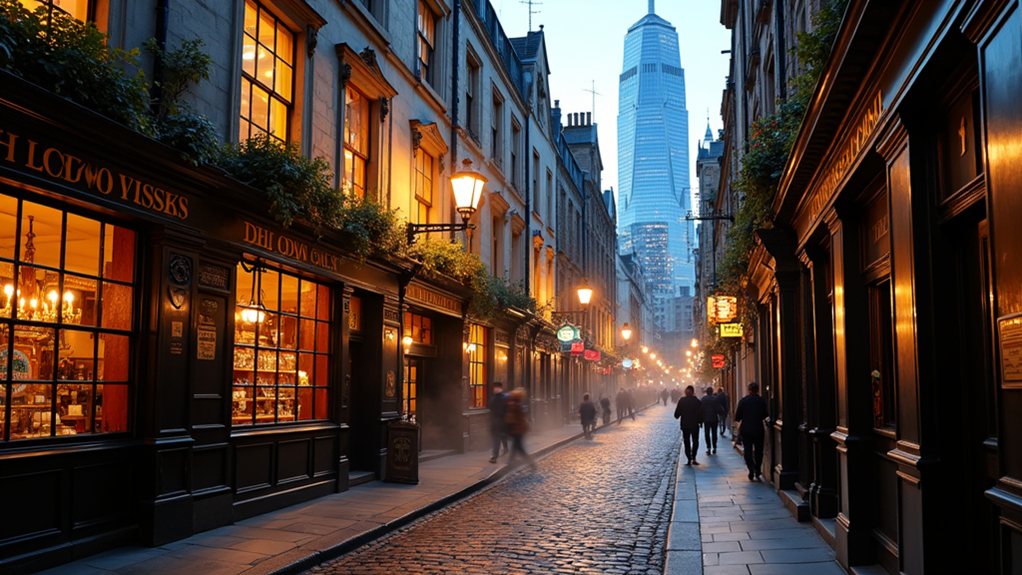

The City of London‘s pub scene continues to evolve amid significant changes in both the physical landscape and the drinking habits of its patrons. As the UK pub market heads toward a projected value of £24.1 billion by 2025, London establishments find themselves at a crossroads, steering through declining national outlet numbers while adapting to shifting consumer preferences. The capital has managed to maintain relative stability with approximately 3,585 pubs and bars, even as the country witnesses about eight net closures per week. Historical data available through NOMIS data explorer reveals consistent trends in pub numbers across London boroughs since 2010.
Financial district venues are particularly affected by the transformation of after-work drinking culture. Traditional five-nights-a-week pub visits have largely disappeared, replaced by a concentrated Tuesday-through-Thursday pattern. This shift coincides with British drinkers consuming approximately 10 alcoholic beverages weekly, representing a 30% decrease from previous highs according to IWSR data. The growing popularity of low-alcohol options aligns with the broader health and fitness trends reshaping consumer choices.
Westminster leads London boroughs in pub density, followed by inner areas like Camden, Hackney, and Islington, each hosting more than 210 establishments. These central zones benefit from young, affluent consumers who continue to prioritize city-center socializing over suburban options. The rising consumer engagement among millennials and Gen Z is particularly evident in London’s premium pub scene.
The average visitor now spends £24.59 per visit, a 7.3% year-over-year increase that reflects inflation and changing expectations.
Employment patterns reveal another dimension of this evolution, with larger pubs employing more than ten staff members increasing by 15% since 2001. This growth occurs despite steady venue numbers, suggesting consolidation toward bigger establishments offering expanded amenities.
London’s hospitality median salary now stands at £30,100, supporting a workforce that has surpassed pre-pandemic levels.
Looking ahead, the city’s pubs are gambling on adaptability, with many venues reformatting spaces and adjusting pricing strategies to accommodate new consumer behaviors. Smaller “drinking pubs” without food service face particular challenges, while establishments incorporating activities beyond alcohol consumption show resilience.
With the market projected to reach £25.7 billion by 2028, London’s pub landscape continues its transformation, balancing tradition with the necessity of innovation to capture changing patron preferences.