
In 2026, the number of digital nomads is expected to surpass 50 million worldwide, reflecting a significant shift in work culture. This growing group of remote workers will change how cities are perceived and utilized. Popular European destinations, such as Lake Como, will be analyzed for their affordability, safety, and quality of life. Such assessments will help digital nomads identify ideal locations for living and working, making it easier for them to find suitable homes in places that offer both scenic beauty and necessary amenities.
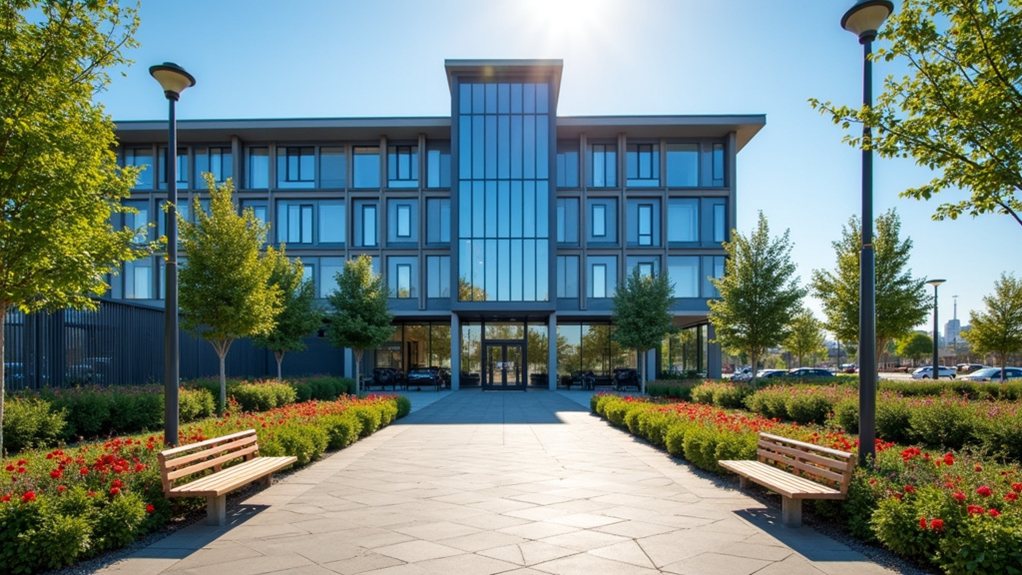
Infrastructure will play a vital role in this transformation. Cities that wish to attract digital nomads will need to prioritize the development of co-working spaces and guarantee reliable high-speed internet access. These features are fundamental for supporting a thriving remote work environment. Additionally, areas with extensive rail connections will be increasingly appealing for nomads needing to travel frequently.
Cities must prioritize co-working spaces and reliable high-speed internet to attract and support the growing community of digital nomads.
As remote work becomes mainstream, the demand for such facilities will only increase, pushing local governments and businesses to adapt. The trend of remote workers settling in coastal towns will also lead to economic revitalization. Increased spending from digital nomads will contribute to local growth and community engagement, benefiting everyone.
Emerging digital nomad visas from countries like Mexico, Portugal, and South Africa will provide simplified legal pathways for remote workers to reside and work abroad. These visas will make it easier for nomads to explore new cultures without the stress of complex immigration processes.
As a result, these countries are likely to see a rise in visitors, reminiscent of the early 20th century when travel saw significant increases due to improved transportation and communication.
With these trends in mind, the future landscape of work and travel will be markedly different. Digital nomads will reshape urban life, fostering connections between individuals and communities while creating new economic opportunities.
Rights reserved for local populations will need to be balanced with the influx of new residents, guaranteeing that both groups can thrive together in this evolving world.