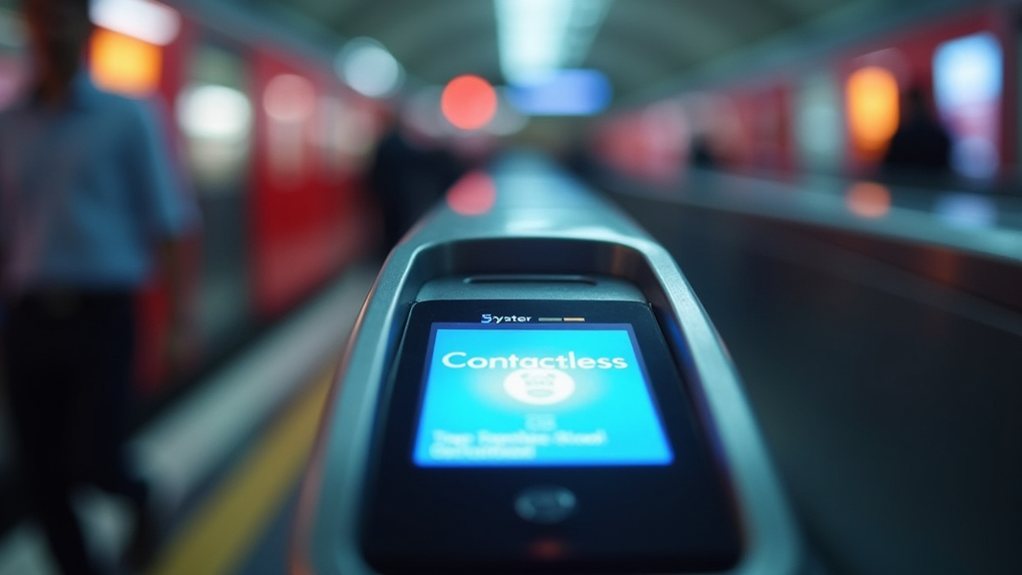
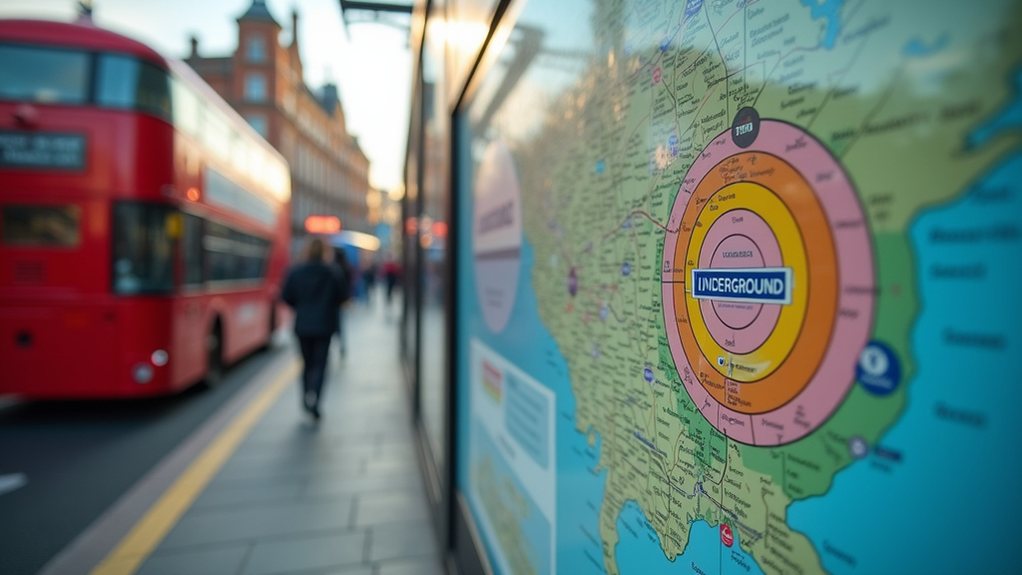
Contactless payment in London public transport works by tapping a contactless card or device on a reader to start and end journeys. On buses and trams, only a single tap is needed, while Tube and rail users must tap in and out to avoid maximum fares. The system calculates fares automatically, including daily and weekly caps to limit costs. Compatible devices include cards, smartphones, and smartwatches. Further details explain how to maximize benefits and avoid common errors.
Contactless payment has become a common method for paying fares on London’s public transport system, including National Rail, the London Underground, buses, and trams. Passengers no longer need to buy or top up tickets in advance; instead, they simply touch their contactless card or device on a reader when starting and ending each journey. The payment system automatically calculates the fare based on travel zones and journey history, ensuring the best adult fare is applied. This system also includes daily and weekly fare capping, which limits the total amount spent within those periods. In addition, there are daily and Monday to Sunday caps available for cost savings on journeys, making it easier for tourists to manage their expenses.
Easily pay fares by simply tapping your contactless card or device—no tickets needed, with automatic fare calculation and capping.
When using buses and trams, only a single touch in is needed, since these vehicles do not have exit validations. On other modes, such as the Tube or National Rail, passengers must touch in at the start and touch out at the end of their trip. Failure to do so results in being charged the maximum fare. Contactless payments offer flexibility in travel times and locations, making them convenient for varied travel plans. Studies show that contactless systems provide significant time-saving benefits for consumers.
Contactless readers are designed to process transactions in under half a second to keep passenger flow smooth, especially at busy gates. Users should also be careful to avoid “card clash,” which happens when multiple contactless cards or devices are presented together, causing errors and possible overcharging. To ensure a seamless experience, it is recommended to familiarize oneself with Oyster Cards vs. Contactless as both options have unique benefits.
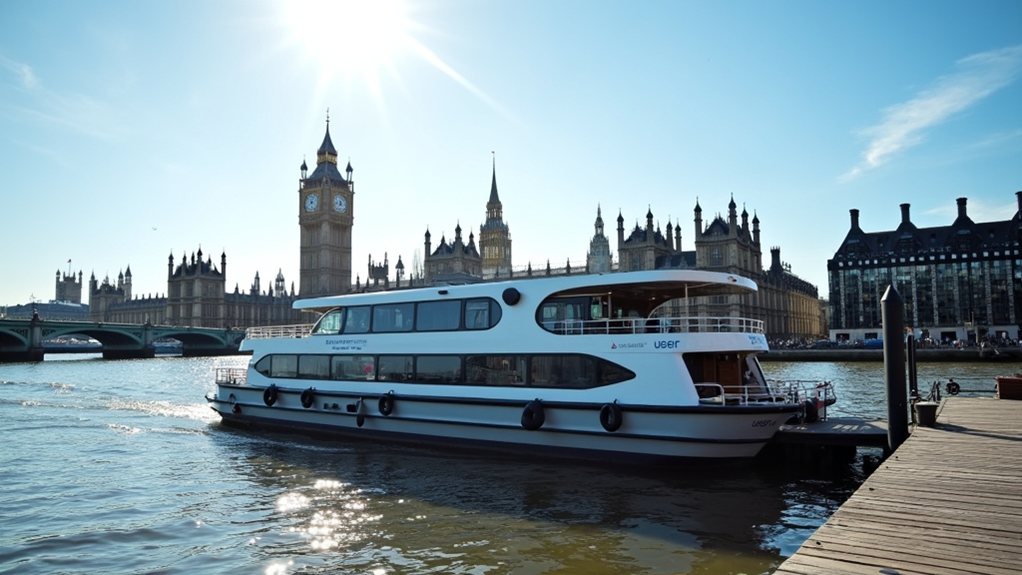
Contactless payments work with many types of devices, including debit or credit cards, smartphones, smartwatches, and fitness bands that support payment methods. The system is widely integrated across London’s transport modes, including London Overground, DLR, most Elizabeth Line services, Uber Boat by Thames Clippers, and the IFS Cloud Cable Car.
Recent expansions have extended pay-as-you-go contactless to additional National Rail stations outside central London, making the system accessible to more travelers. Since its introduction on buses in 2012 and expansion in 2014, contactless use has grown steadily. By 2024, it accounts for nearly 80% of Transport for London’s fare revenue, greatly reducing operational costs and saving time for passengers.
The ticketless, digital model offers convenience by eliminating queues and the need to carry physical tickets.
Frequently Asked Questions
Can I Use Contactless Payments on Thames River Services?
Contactless payments are accepted on Uber Boat by Thames Clippers River Bus services for pay-as-you-go travel.
Passengers must touch in and out using the same card or device at yellow validators on piers, ensuring staff can see the action. This system matches Oyster fares and offers savings compared to cash tickets.
Contactless is not valid on sightseeing cruises, and care should be taken to avoid card clashes and to follow correct tapping procedures.
Are There Daily Spending Limits for Contactless Travel?
Daily spending limits for contactless travel exist as fare caps, not bank card limits.
These caps apply from 4:30 AM to 4:29 AM the next day, varying by zones traveled, for example, £8.90 for Zones 1-2.
Once the daily cap is reached, no further fares are charged on covered journeys.
Users must touch in and out with the same card or device to guarantee correct cap application and avoid maximum fare charges.
How Do Refunds Work for Contactless Ticket Mistakes?
Refunds for contactless ticket mistakes are processed automatically or via self-service through the Contactless and Oyster online account.
If an incomplete journey causes a maximum fare charge, an automatic refund adjusts the next statement or fare. Users must claim refunds within about eight weeks, with a limit of three manual refund requests monthly.
For unresolved issues, contacting TfL Customer Service by phone is advised. Detailed journey history aids in identifying and claiming correct refunds.
Can I Link Multiple Contactless Cards to One Account?
Yes, multiple contactless cards or devices can be linked to one TfL online account.
Each card or device, including virtual tokens like Apple Pay or Google Pay, is treated separately for journey history and charges. Users can monitor all linked cards in one place.
However, each device must be used consistently for touch in and out to avoid incomplete journeys.
Daily and weekly caps apply per device, not per bank account, so separate cards do not share fare caps.
Is Contactless Payment Accepted on All London Buses?
Contactless payment is accepted on all London buses operated by Transport for London.
Passengers must tap their contactless card or device on the yellow reader when boarding, with no need to tap out.
Accepted methods include Visa, Mastercard, Maestro, Apple Pay, Google Pay, and wearable devices, but American Express is not accepted.
Using the same card throughout the day enables fare capping, ensuring passengers do not pay more than the daily maximum fare.