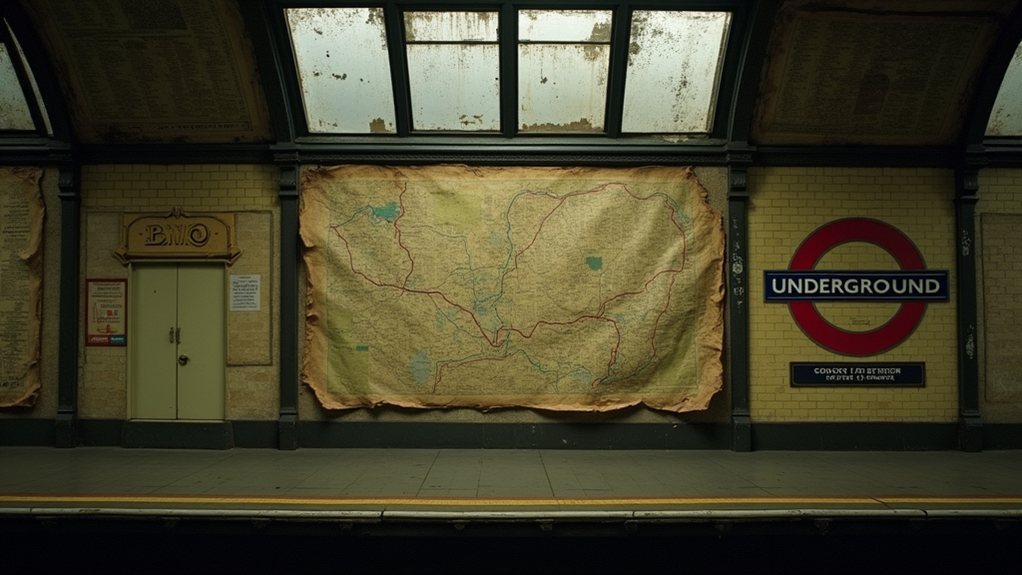

Beneath London’s bustling streets lies a network of abandoned and repurposed underground stations, each with fascinating stories of transformation. These hidden spaces, often missing from modern tube maps, continue to serve important functions despite no longer welcoming regular commuters.
Down Street station on the Piccadilly Line, closed since 1932 due to low passenger numbers, found new life during World War II as the Railway Executive Committee’s bomb-proof headquarters, even hosting Winston Churchill before his Cabinet War Rooms were ready.
From ordinary tube stop to Churchill’s wartime refuge, Down Street station’s hidden chambers reveal London’s underground secrets.
Transport for London recently announced Down Street as the first in a series of repurposing projects, with architecture studio Carmody Groarke conducting feasibility studies on the 400-square-meter space. The size constraints limit viable business options to low footfall, high-revenue models that can maximize the unique historical setting. The station’s disused lift shaft, passenger tunnel, and smaller tunnel are now available for commercial lease, representing valuable real estate in a prestigious central London location.
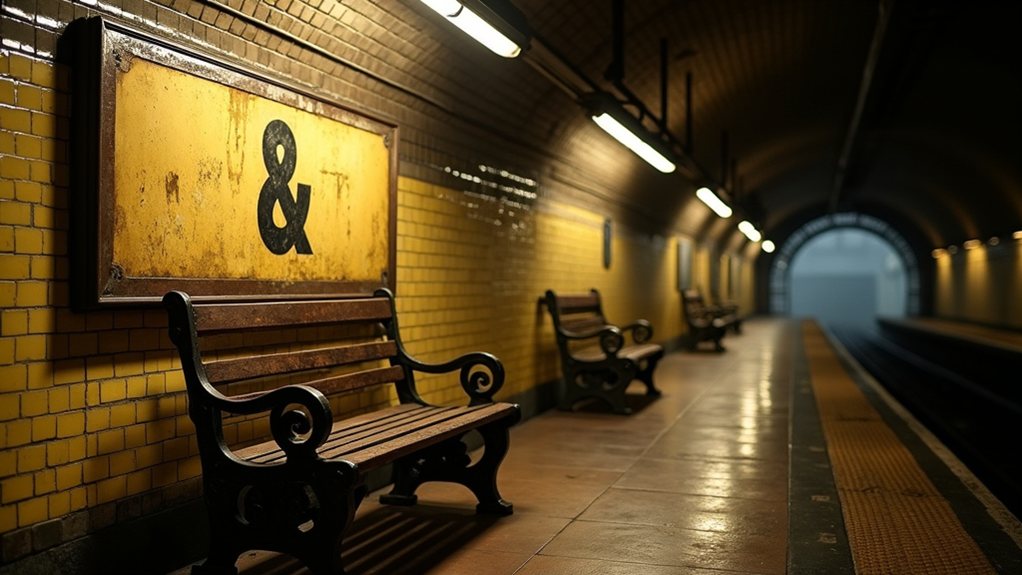
Aldwych station, which ceased regular operations decades ago, remains largely unaltered, making it perfect for filmmakers. This preserved time capsule has appeared in productions including Darkest Hour, Fast and Furious, Sherlock, and Mr Selfridge. The original ticket hall, lifts, abandoned platforms, and tunnels can be explored through the London Transport Museum‘s Hidden London tours.
Other disused spaces across the network serve various functions, from storage to urban farming. At Clapham North, a former bomb shelter has been converted into a hydroponic salad farm endorsed by celebrity chef Michel Roux Jr. During World War II, underground tunnels housed secret munitions factories in 2.5-mile twin passages. The Clapham South tour offers visitors enhanced experiences with WWII reconstructions that bring the station’s wartime history to life.
For those interested in exploring these hidden spaces, the London Transport Museum offers exclusive summer access to Highgate’s protected bat habitat, tours of Churchill’s warren of tunnels at Down Street, and walks beneath Trafalgar Square at Charing Cross, where remnants of the old Jubilee Line concourse remain following the 1999 extension. The museum provides expert guides who enhance the experience with unique insights about London’s underground history and film connections.
These tours reveal the architectural heritage and fascinating history concealed behind outdated tube maps and sealed entrances throughout London.