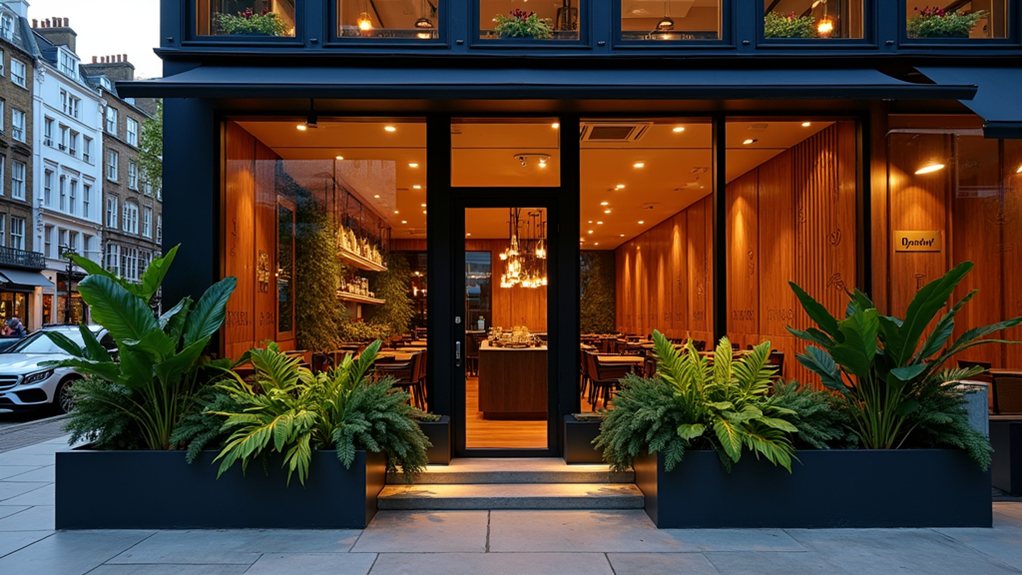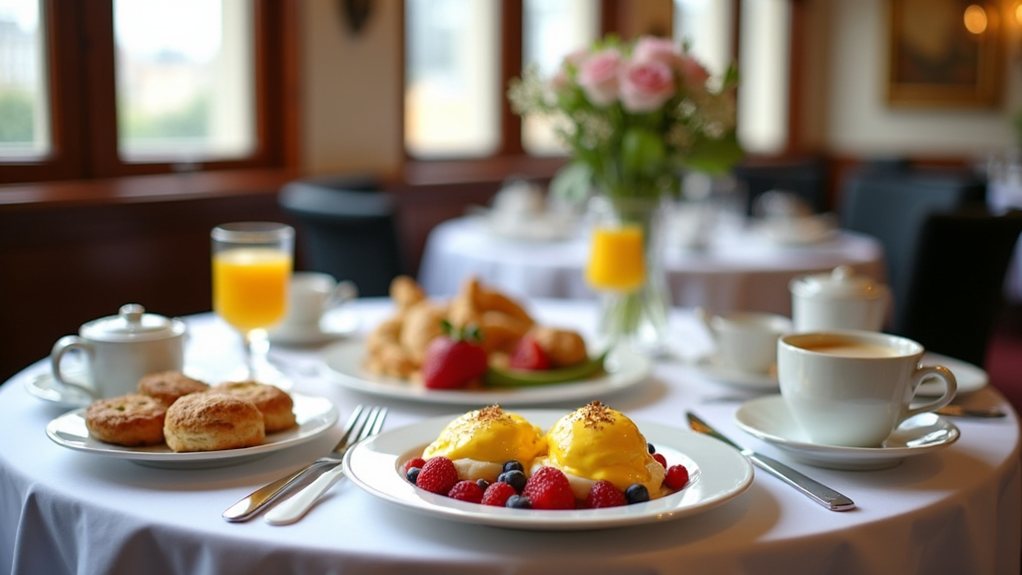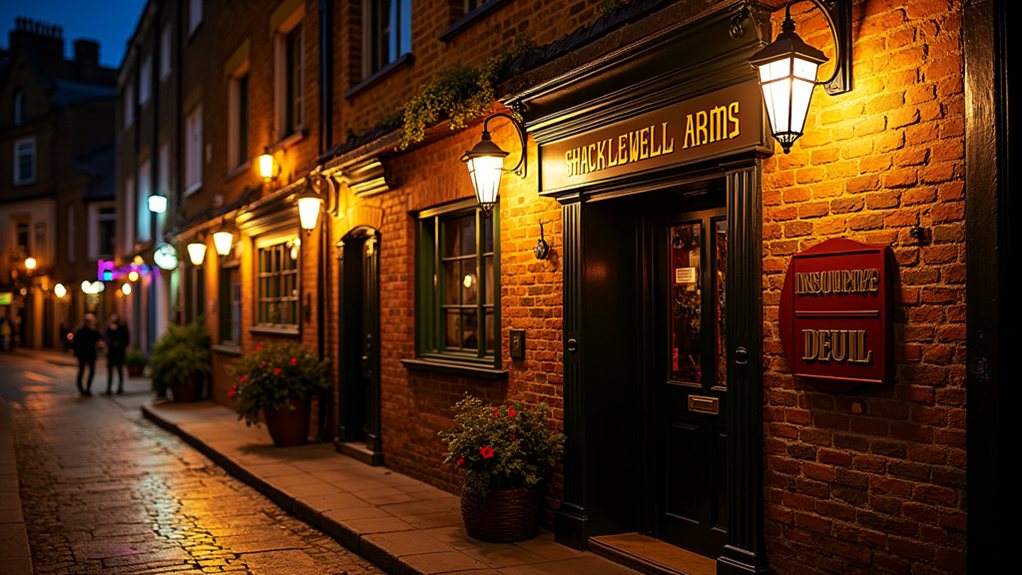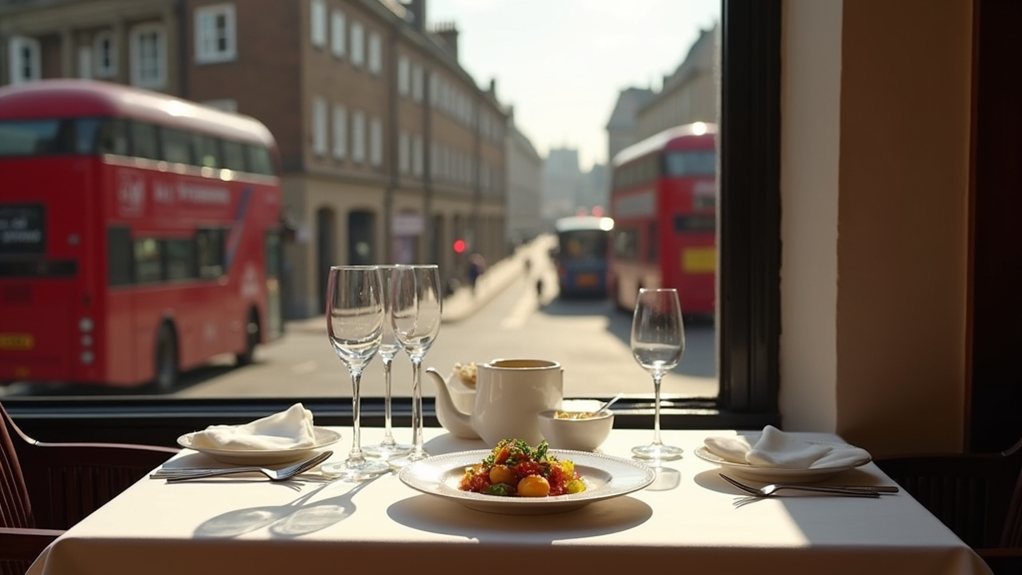

Increasingly, Londoners are embracing the once-taboo practice of dining alone, as the British capital leads a European surge in solo restaurant visits. With the UK at the forefront of hybrid working patterns, where 54% of adults work from home part-time, traditional group dining occasions have transformed into more individualized experiences. This shift has contributed to the 153% surge in solo dining expenditure across Europe between 2010 and 2019.
London restaurants are adapting quickly to this trend, with many now offering specialized seating arrangements and menus designed for individual diners. Counter seating at upscale establishments has become particularly popular, giving solo patrons prime views of chefs at work while eliminating the awkwardness of empty chairs at traditional tables. Many solo diners also enjoy the Borough Market experience, a vibrant setting that fosters a sense of community among those eating alone.
Digital-first cafés also cater to this market, providing efficient ordering systems that make the solo dining experience seamless. This mirrors global trends where 21% of Americans typically dine alone, showing the widespread nature of the phenomenon.
Despite UK restaurant visits remaining 21% below pre-pandemic levels, solo dining presents a significant opportunity for the industry. Data shows that solo diners spend 48% more per person than those in groups, averaging $84 per visit. Restaurants capitalizing on this trend offer single-portion tasting menus and bar seats with charging points, acknowledging that many solo diners combine meals with work or leisure reading.
The demographic shift is clear, with younger generations leading the charge. Nearly half of millennials and Gen Z dine alone at least weekly, compared to less frequent solo dining among Baby Boomers. For 80% of 25-34 year olds in the UK, eating out alone is now considered completely normal.
However, challenges remain, with 48% of potential solo diners citing loneliness as their biggest barrier. Evening meals prove particularly challenging due to the prevalence of couples and groups. Forward-thinking London establishments counter this by creating communal atmospheres through shared tables, interactive experiences like cocktail classes, and staff trained to engage appropriately with solo guests.
For visitors to London, solo dining offers unique advantages: easier last-minute reservations at sought-after restaurants, more focused culinary experiences, and greater flexibility to explore the city’s diverse food scene at one’s own pace.