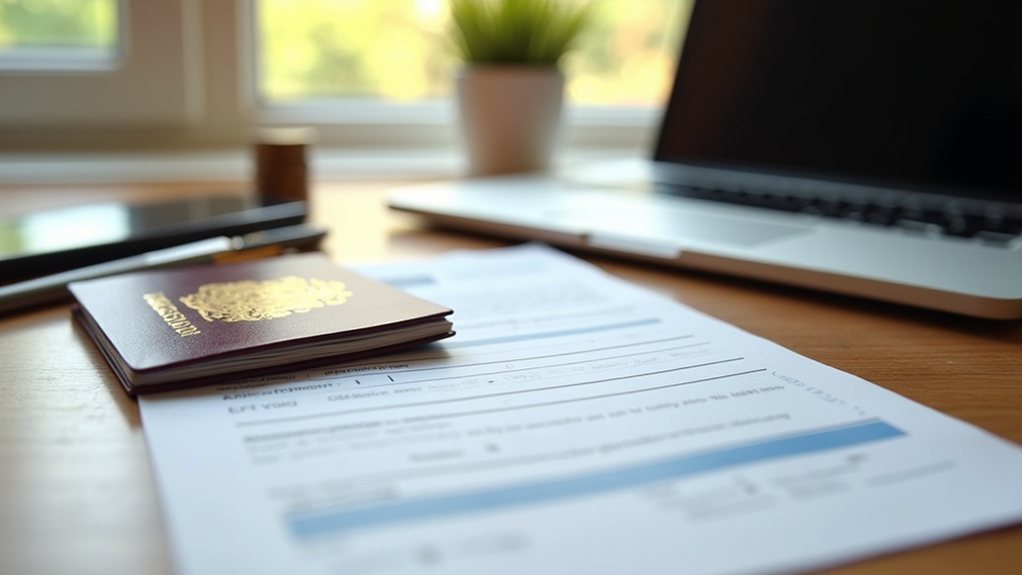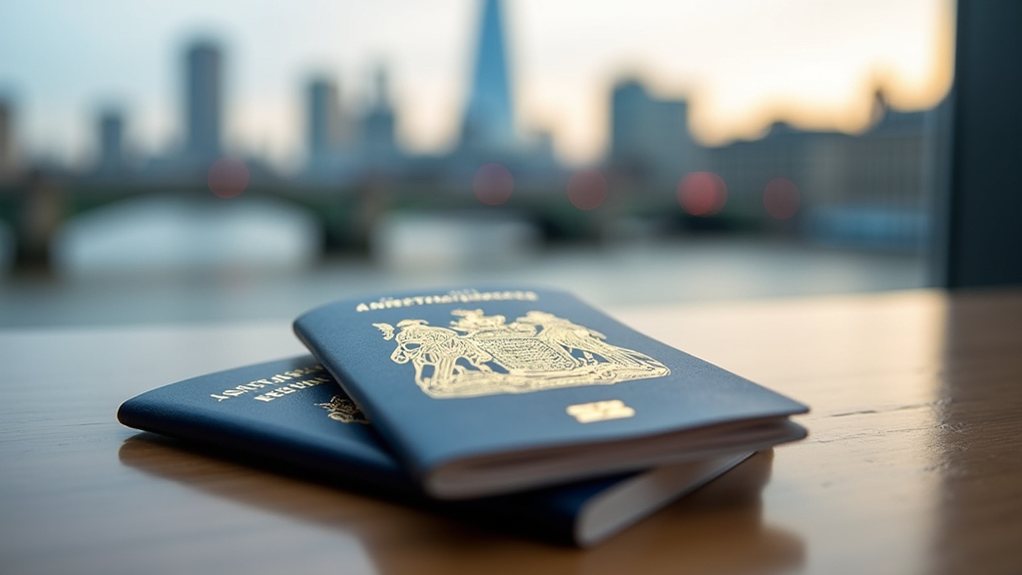

Starting February 25, 2026, dual British citizens will need to present specific documentation for entry into the UK, as non-British passports will no longer be accepted. This change in the UK border policy is likely to surprise many dual nationals worldwide. Under the new rules, dual citizens must have a valid British passport or a certificate of entitlement when traveling to the UK.
The certificate of entitlement serves as proof of British citizenship for those who hold a foreign passport. However, obtaining this certificate will cost £589 and must be renewed each time a new passport is issued, adding to the complexity of travel for dual citizens.
These new documentation requirements are part of a broader effort by the UK government to enhance security measures at airports. The updated rules mean that airlines will be responsible for checking that all dual nationals possess the appropriate paperwork before boarding a flight. If they fail to do so, airlines may face fines for allowing individuals without the correct documentation to travel.
This shift places the onus of compliance on airlines, which could lead to increased scrutiny of passengers with dual citizenship. Additionally, British and Irish passport holders are exempt from the new Electronic Travel Authorisation (ETA) and certificate of entitlement requirements.
This exemption simplifies entry for these individuals, but it highlights the additional obstacles dual citizens might face. The dual citizenship passport rules could create confusion for travelers accustomed to using their non-British passports for entry into the UK.
As international travel becomes more complex, dual citizens must prepare for these changes by ensuring they have the necessary documentation well in advance of their trips. Being informed about the requirements for entry into the UK will be essential for a smoother travel experience. Consequently, the adjustment in policies may prompt dual nationals to rethink their travel plans and documentation strategies.