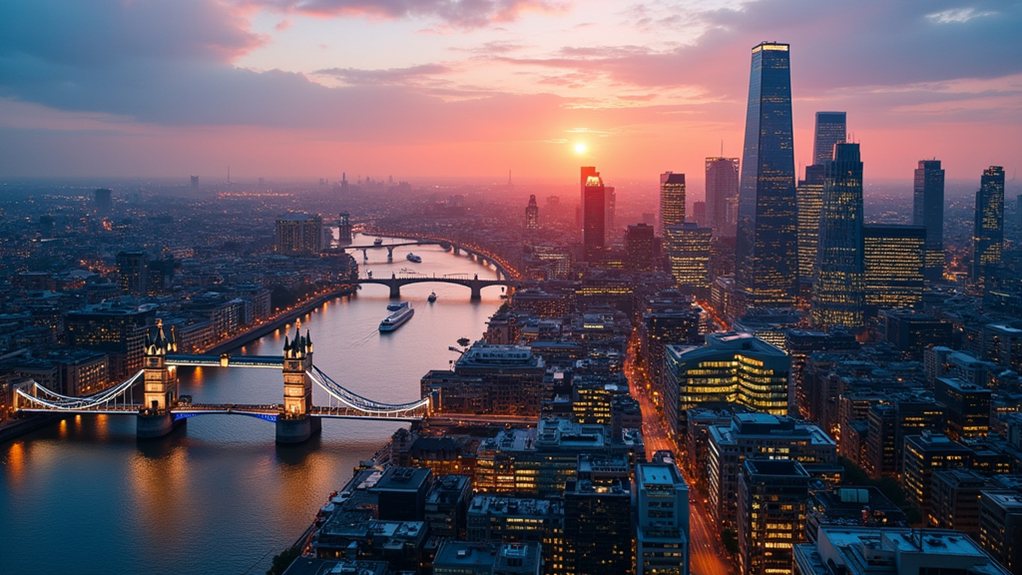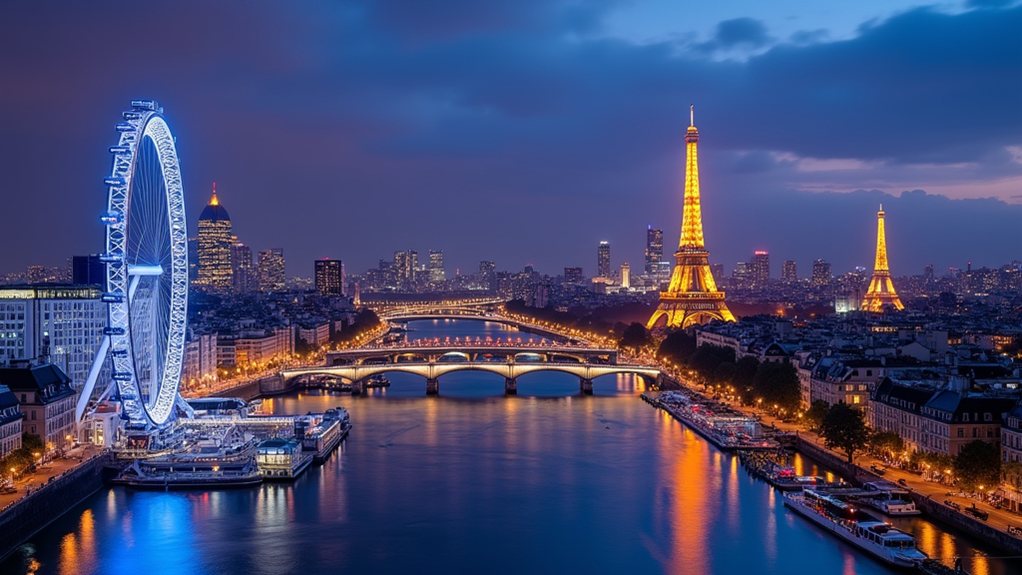

As global tourism rebounds to unprecedented heights in 2025, the industry is witnessing profound shifts in traveler preferences and behaviors. Despite new destinations emerging and climate considerations reshaping travel patterns, traditional tourism powerhouses London, Tokyo, and Paris continue to dominate global rankings, maintaining their appeal through strategic adaptation to evolving market demands.
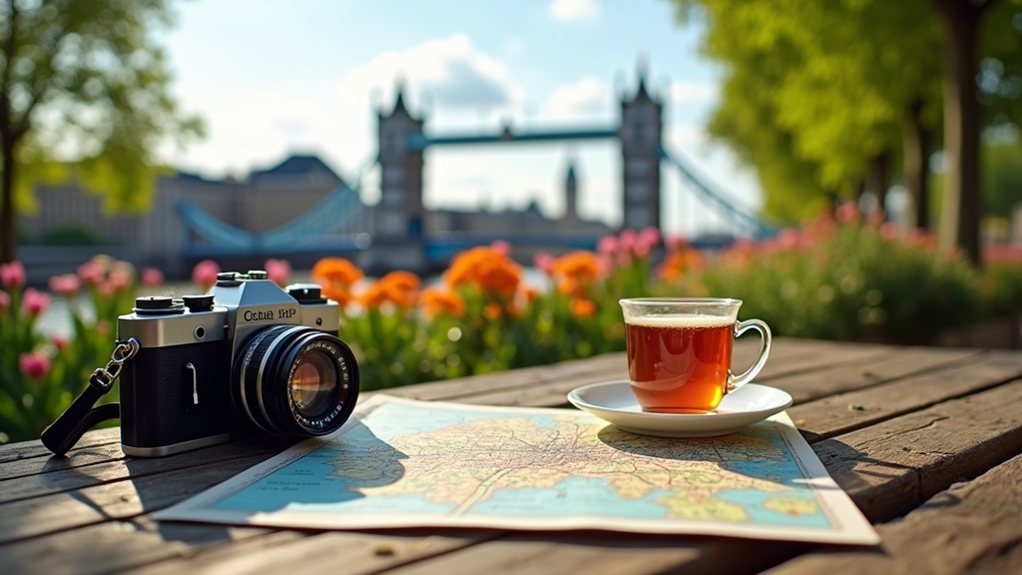
These iconic cities have successfully navigated overtourism concerns by implementing visitor management systems and expanding attractions beyond central districts. London’s expansion of cultural offerings to outer boroughs, Tokyo’s promotion of less-visited neighborhoods, and Paris’s development of alternative tourist routes have effectively distributed visitor density while preserving authentic experiences. Additionally, London sightseeing buses have become a popular option for visitors, providing flexible routes and multiple stops to enhance the exploration of the city.
Smart cities disperse tourism beyond landmarks, creating authentic experiences while managing visitor flow.
The sustained leadership of these metropolises comes amid strong travel demand indicators, with TSA throughput increasing 7% year-over-year during the recent holiday period. International travel has markedly rebounded, with 2025 representing a significant recovery milestone from pandemic disruptions. This resurgence benefits established destinations with robust tourism infrastructure.
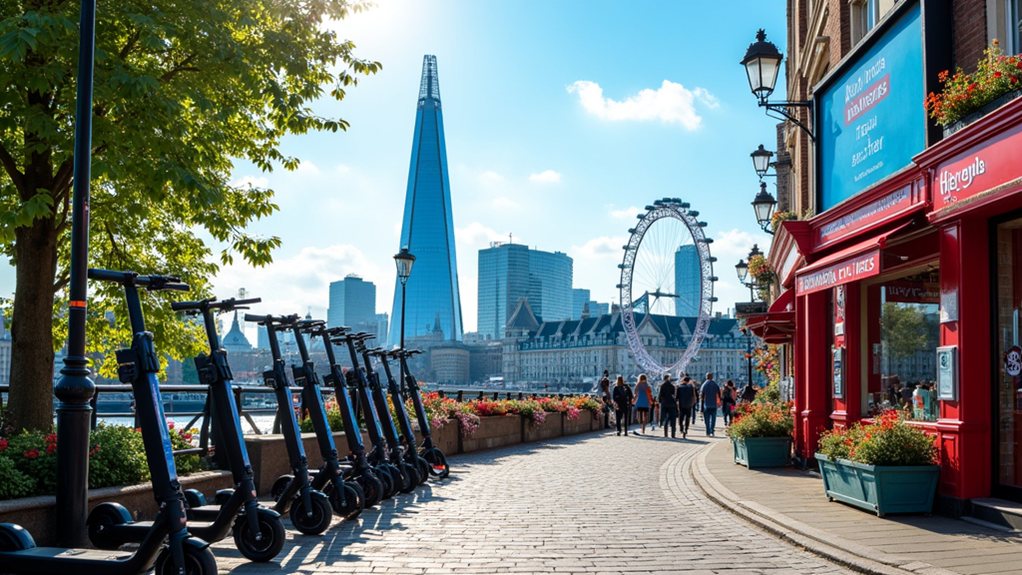
Each city has strategically embraced sustainability initiatives, addressing the eco-conscious priorities of Gen Z and Millennial travelers. Paris has expanded car-free zones, Tokyo has implemented advanced waste management systems in tourist areas, and London has prioritized green transportation options, aligning with the growing sustainable tourism movement.
Their dominance persists despite the rising “coolcation” trend, where travelers seek destinations with naturally cooler summers to escape intensifying heat waves. Google searches for cooler holiday destinations have increased 300% compared to previous years, yet these cities remain competitive by promoting indoor attractions and climate-controlled experiences during warmer months.
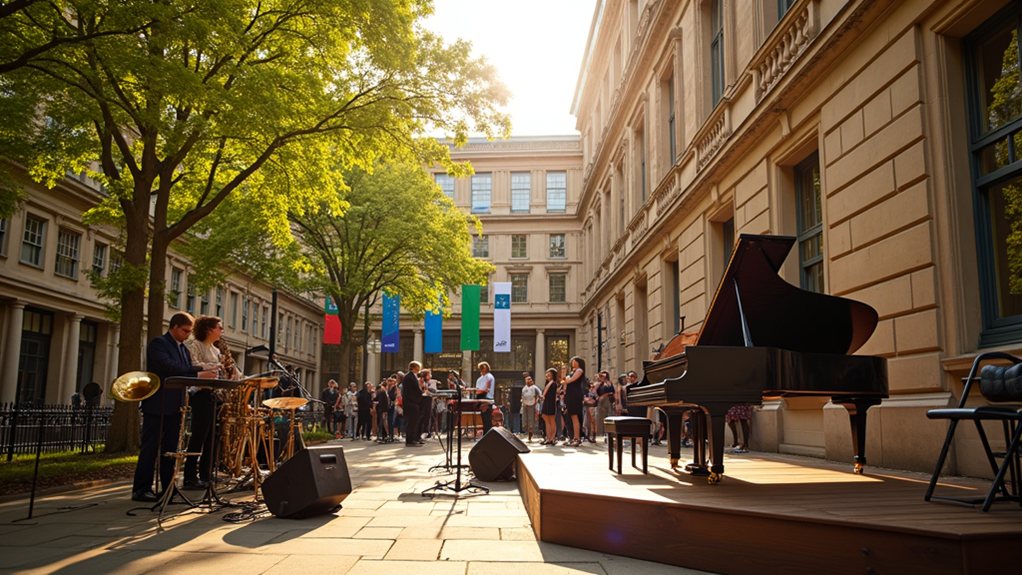
The cities have also capitalized on experiential and event-driven travel, hosting major cultural festivals, sporting events, and exclusive exhibitions that provide the authentic, immersive experiences travelers increasingly demand. These destinations have particularly attracted visitors through their renowned culinary tourism offerings, with travelers seeking authentic local cuisine experiences as a primary motivation for their visits.
Their success demonstrates how established destinations can remain relevant by balancing tradition with innovation, adapting to climate realities, and delivering the personalized, local connections that define modern travel preferences in 2025. Additionally, these cities have seen significant growth in digital nomad communities as they’ve developed specialized workspaces and extended-stay accommodations to cater to the blending of work and leisure travel. These global hubs have also invested heavily in AI-powered digital assistance for travelers, enhancing the booking process and overall visitor experience.