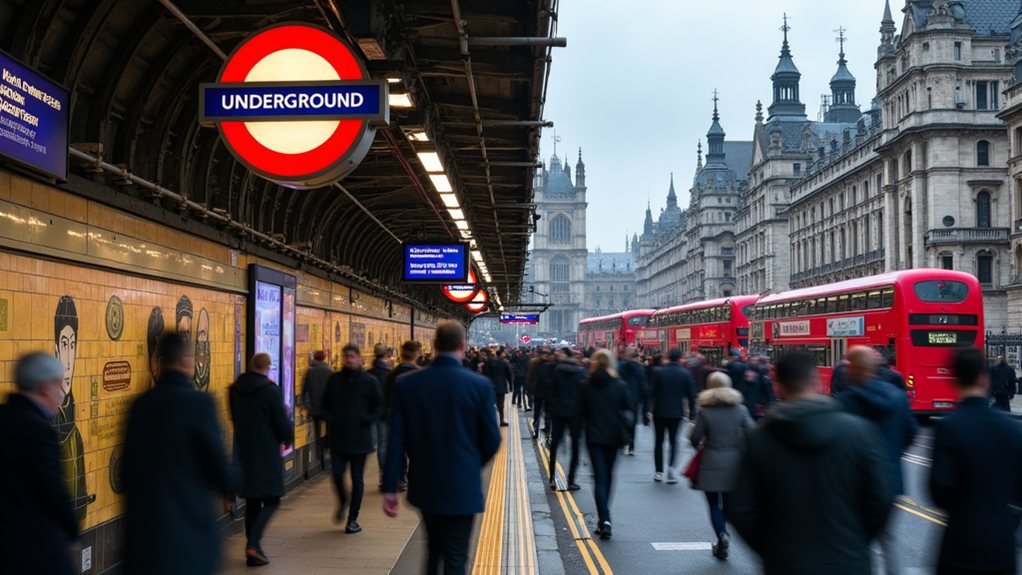

As the summer heat intensifies, commuters in London’s underground system are facing increasingly uncomfortable conditions. The sweltering temperatures are not solely due to climate change but are notably affected by overcrowding and the unique characteristics of the underground tunnels. During the summer months, the combination of high outside temperatures and the heat generated by both the trains and the bodies of passengers creates an unbearable environment.
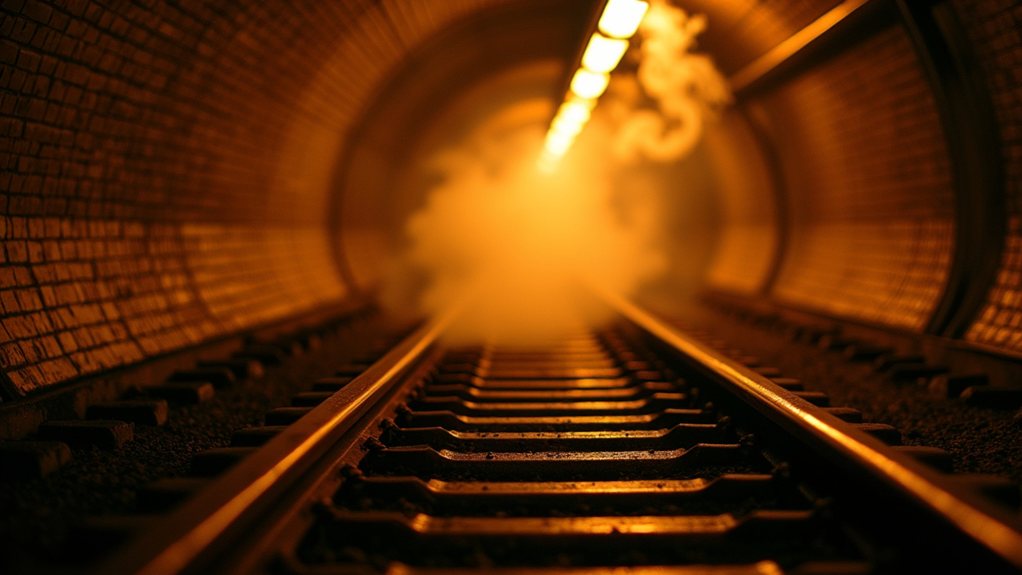
Research indicates that the heat produced by trains, along with the body heat from numerous commuters, contributes greatly to the rising temperatures. This phenomenon is exacerbated by the design of the underground system, which consists of deep tunnels that act like heat traps, absorbing and retaining warmth. On particularly hot days, the temperature in the underground can soar to 37°C (98.6°F), making it difficult for passengers to endure their daily commutes.
Interestingly, the situation has historical roots that trace back to the World War era when the underground served as a refuge during air raids. The tunnels were built to be durable and robust, prioritizing safety over ventilation. While this design was effective during wartime, it has now become a challenge as the infrastructure struggles to facilitate airflow, leaving commuters to suffer from the accumulative heat.
In response to these rising temperatures, efforts are underway to improve conditions. Some stations and trains are receiving fans and cooling systems, aiming to alleviate discomfort for travelers. However, the age and design limitations of the infrastructure pose notable challenges to these improvements.
As a result, while some progress is being made, commuters will likely continue to face uncomfortable conditions during the hottest days of summer.
Ultimately, the sweltering heat in London’s underground system is a complex issue, driven by a combination of factors, including overcrowding, the unique design of the tunnels, and the historical context of the infrastructure. Addressing these challenges will require innovative solutions and careful planning.