
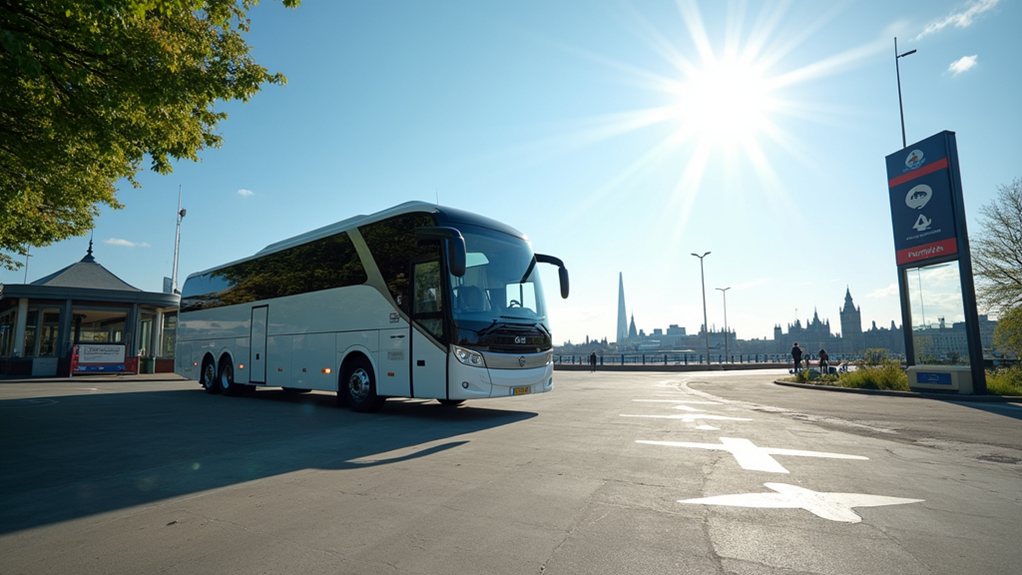
Oxford is accessible from London by frequent trains from Paddington or Marylebone stations, taking about one hour. Advance off-peak tickets can cost around £10. Coaches like the Oxford Tube run from Victoria. The city centre is compact and walkable, with major attractions such as the University of Oxford and Blenheim Palace nearby. Parking is costly in the centre, so Park & Ride options around the ring road are advised. Details on local transport and must-see sites will provide further guidance.
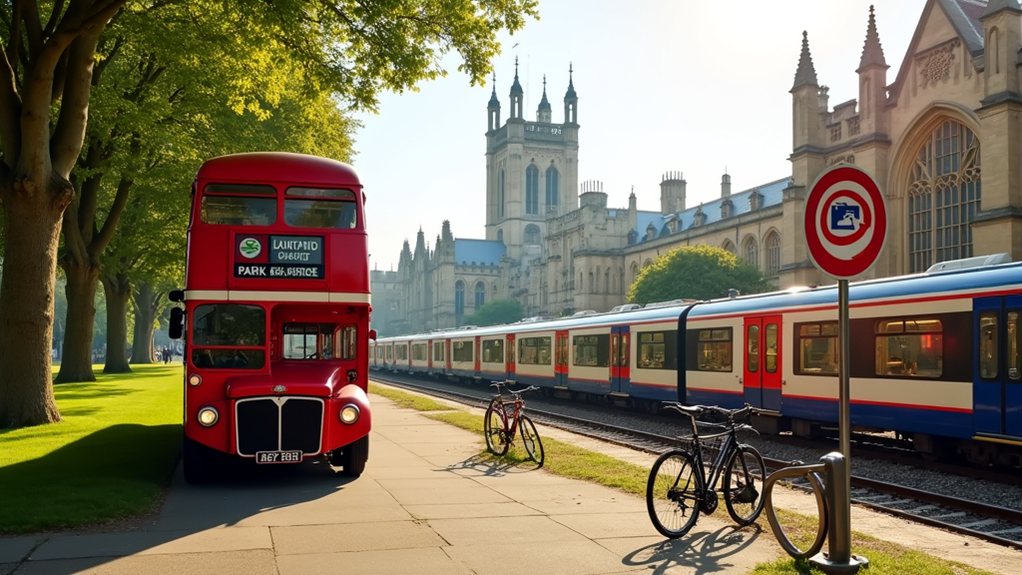
Although Oxford is easily accessible from London, planning the trip carefully can save time and money. Trains run frequently from London Paddington and Marylebone stations, with over 100 direct services daily. The journey takes about one hour, making this a quick and convenient option. Advance off-peak return tickets can cost as little as £10 when booked early, but prices rise during peak times or with last-minute purchases.
Upon arrival, the Oxford railway station is approximately a 10-minute walk from the city centre, which is compact and easily navigable on foot. Visitors can also purchase tickets at the Oxford Visitor Information Point on High Street, making it convenient to access ticket purchase locations. Oxford is home to the world’s first English-speaking university, comprising 39 colleges, which makes the city a hub of rich history and culture. The city is known for its impressive architecture and stunning University of Oxford campuses. For those interested in exploring beyond Oxford, Blenheim Palace and Woodstock are easily accessible by Stagecoach buses S3 and S7 in around 35 minutes.
Alternatively, several coach services, including the Oxford Tube and Airline, depart from London locations such as Victoria and Marble Arch. These buses run every 15 to 20 minutes and take just under two hours to reach Oxford. Coaches offer a practical option for those seeking a direct route from London airports.
Driving from central London typically takes between 1.5 to 2 hours, depending on traffic conditions. However, parking in Oxford’s city centre is expensive, with daily rates exceeding £35, and traffic restrictions make driving less convenient compared to public transport.
To reduce congestion, Oxford has several Park & Ride sites located around the ring road, including Oxford Parkway and Seacourt. These hubs allow visitors to park their cars and take a bus into the city centre. The combined cost of parking plus bus travel is usually under £10 per day, and some services offer free travel for children under 16.
The local council encourages the use of Park & Ride and public transport rather than private vehicles to limit traffic within the historic core.
Within Oxford, the city centre is compact enough to explore on foot, with most attractions within a 10 to 15-minute walk from Carfax. Local buses, operated by Oxford Bus Company and Stagecoach, connect the railway station, suburbs, and Park & Ride sites. Taxis are available at designated ranks, and cycling is popular due to the city’s flat terrain and extensive cycle lanes.
Many buses are wheelchair-accessible, providing options for visitors with mobility needs.
Frequently Asked Questions
What’s the Best Time of Year to Visit Oxford?
The best time to visit Oxford is during the shoulder seasons of spring (March–May) and autumn (September–November).
These periods offer moderate temperatures, fewer crowds, and better hotel availability than the busy summer months.
Spring features blossoming gardens and manageable weather, while autumn provides colorful foliage and quieter attractions.
Summer has warmer weather and more festivals but is crowded and expensive, whereas winter is cold with low tourist traffic but offers the lowest prices.
Are There Any Free Walking Tours Available in Oxford?
Yes, several free walking tours operate in Oxford, usually on a pay-what-you-want basis.
Footprints Tours offers a popular 2-hour free tour daily at 11:00 and 14:00, starting from Oxford Tourist Information on Broad Street. These tours cover major landmarks like the Bodleian Library and Radcliffe Camera.
Advance online booking is often recommended. Group sizes above eight may require private arrangements.
Self-guided routes and free audio tours are also available for independent exploration.
Can I Use a Contactless Card for Public Transport in Oxford?
Contactless cards are accepted on all Oxford city buses operated by companies like Oxford Bus Company and Stagecoach.
To pay, passengers tap their contactless card or device on the reader when boarding; no tap-out is usually needed.
Visa, Mastercard, Maestro, Apple Pay, and Google Pay work, but American Express is not accepted on Stagecoach buses.
Contactless cannot be used on trains, and carrying some cash is advisable as a backup.
Is Oxford Wheelchair Accessible for Tourists?
Oxford is largely wheelchair accessible for tourists, with step-free routes on flat, paved streets in the city centre.
Major attractions like Christ Church, the Botanic Garden, and several museums offer ramps, lifts, and accessible toilets.
Wheelchair-accessible buses and tours are available, including adapted city sightseeing.
Some historic sites have uneven surfaces or narrow passages, so advance planning using guides such as AccessAble is recommended to guarantee smooth navigation and access.
Are Pets Allowed in Oxford’s Public Gardens and Parks?
Pets are allowed in many Oxford public parks and gardens, but rules vary.
Dogs are welcome in University Parks if well-behaved and under control, with waste cleaned up.
Cutteslowe & Sunnymead Park requires dogs to be on leads in designated areas.
Port Meadow is dog-friendly, allowing off-lead walking.
Oxford Botanic Garden permits dogs on leads only in outer areas.
Some sites, like Blenheim Palace and National Trust gardens, restrict dog access to specific zones or require leads.