While London has long been a premier destination for luxury travel, the city is now experiencing its most significant expansion of high-end accommodations in over a decade. A remarkable 757 new luxury rooms will be added in 2025 alone, with 20 new luxury hotels scheduled to open within the next three years. This expansion will increase the city’s high-end room inventory from 20,000 to 21,000 rooms, creating intense competition among operators like Six Senses, Auberge, Rosewood, and Zetter.
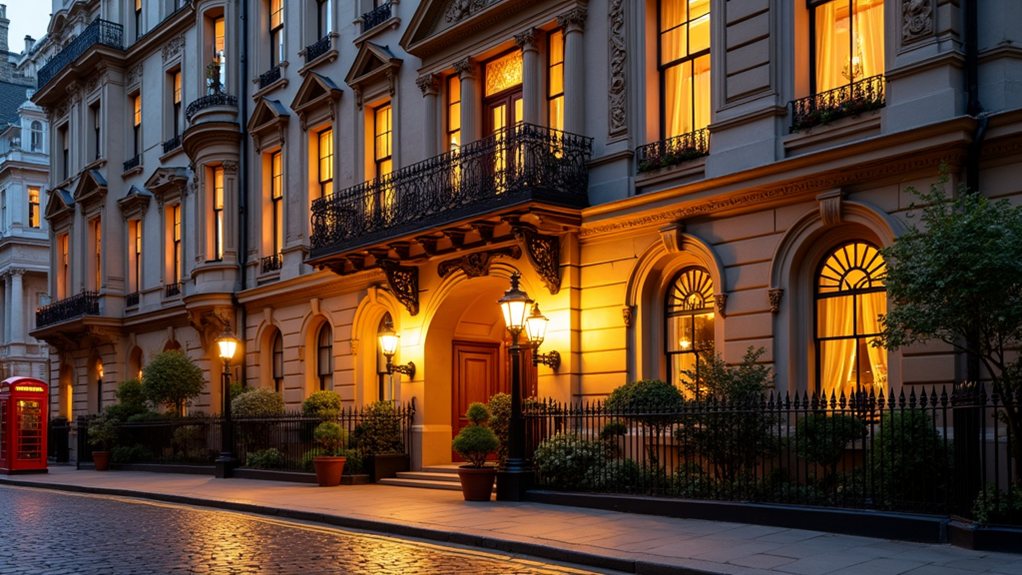
The luxury boom extends beyond traditional upscale areas like Mayfair to emerging neighborhoods such as Nine Elms. Notable brands including Mandarin Oriental Mayfair and Park Hyatt London River Thames are among the major openings planned for the market. The transformation of the former American Embassy in Mayfair into the luxurious Chancery Rosewood with 144 rooms exemplifies the architectural revitalization happening across the city. Current performance metrics show luxury hotel occupancy holding steady at 82% in 2024, matching pre-pandemic levels, though the average daily rate has dipped 1% year-on-year to £228. Despite this slight rate decrease, gross operating profit per available room has grown over 5% to £103.50 in London, with profit conversion improving to 43%. These properties are leveraging dynamic pricing strategies to maximize revenue during high-demand periods despite market challenges.
Investment in the luxury hotel sector has doubled in 2024, with £4.5 billion forecast for 2025. The UK luxury sector generates £81 billion in value and supports 450,000 jobs, with London leading Europe with 352 centi-millionaires worth over $100 million each. This robust market, however, faces potential challenges as supply may outpace demand, leading to possible room rate downturns.
Today’s luxury guests define premium experiences through comfort, authenticity, and emotional connection rather than size or price. Post-pandemic travelers increasingly value sustainability, technology integration, and spaces that flow seamlessly between work and relaxation.
Hotels now offer data-driven personalization, remembering returning guests’ preferences for lighting, music, and artwork. Design trends draw inspiration from high-end residential interiors with a focus on wellbeing, featuring sustainable materials and enhanced wellness programs.
Luxury properties increasingly blend residential comfort with refined hospitality through adaptive spaces that create effortless guest experiences. As London reaffirms its position as Europe’s top luxury hub, these new properties must create unique, bespoke experiences to differentiate themselves in an increasingly competitive landscape.