
Many centuries ago, a young woman named Lucia from Syracuse became a symbol of light during the darkest time of year. Born around 283 AD, Lucia was martyred during the Diocletian persecutions after giving her dowry to the poor and refusing marriage. Her name, derived from the Latin word for light, perfectly captures the essence of the celebrations that would eventually honor her memory across Europe.
In Sweden, the Lucia tradition evolved over centuries into a beloved cultural practice that combines Christian symbolism with folkloric elements. The typical Lucia procession features a young woman wearing a white robe, red sash, and a crown of candles, followed by attendants called tärnor and star boys known as stjärngossar. This procession, known as Luciatåg, brings light and song to schools, care homes, workplaces, and churches on December 13, historically considered the shortest day of the year in the old calendar.
The tradition has now made its way to London, where Swedish expatriates and cultural enthusiasts gather annually to experience this luminous celebration. Participants sing the traditional “Sankta Lucia” melody while processing through darkened venues, creating a striking visual effect with their candles. For safety reasons, many processions now use battery-powered lights instead of real flames, particularly in public performances. The miraculous preservation of Saint Lucia’s virginity through divine intervention became an important aspect of her story that spread throughout Europe by the sixth century.
Central to Lucia celebrations are the distinctive foods served, especially lussekatter, saffron-flavored buns shaped like curled cats. These golden treats are typically accompanied by ginger biscuits called pepparkakor and warm drinks such as glögg or coffee. According to folklore, eating these special buns once called dövelskatter, or devil’s cats, would ward off evil spirits believed to roam during the long winter night. The sharing of these foods reinforces the saint’s association with providing sustenance during winter’s scarcity.
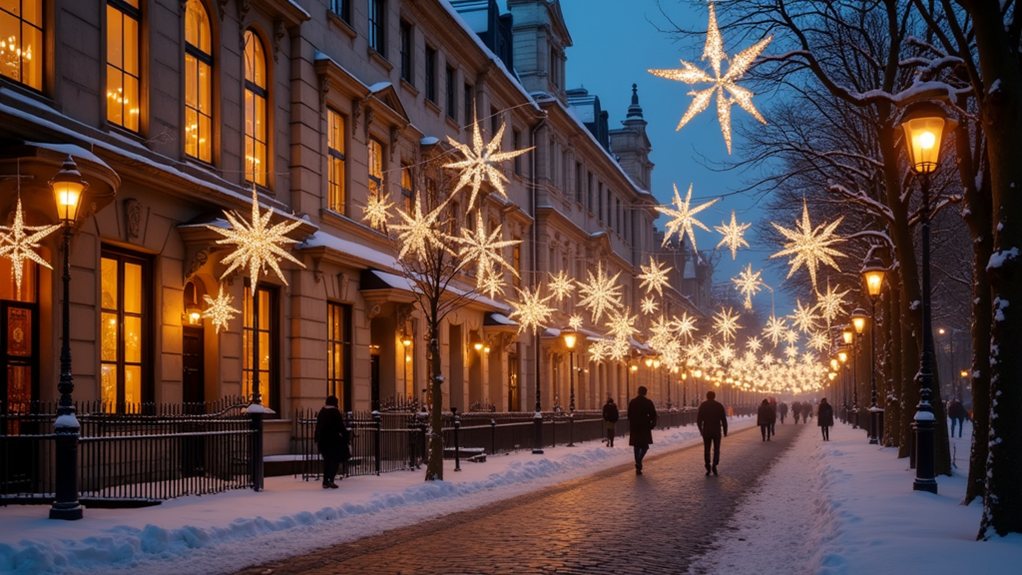
For Londoners experiencing the city’s notoriously gray winter days, the Swedish Lucia tradition offers a welcome infusion of light and community. In ancient Swedish folklore, December 13th was known as Lussinatta, a night when supernatural forces were particularly active. The ceremony reminds participants that even in the deepest darkness, light persists – a message that resonates across cultures and centuries, from Syracuse to Stockholm to the streets of London.