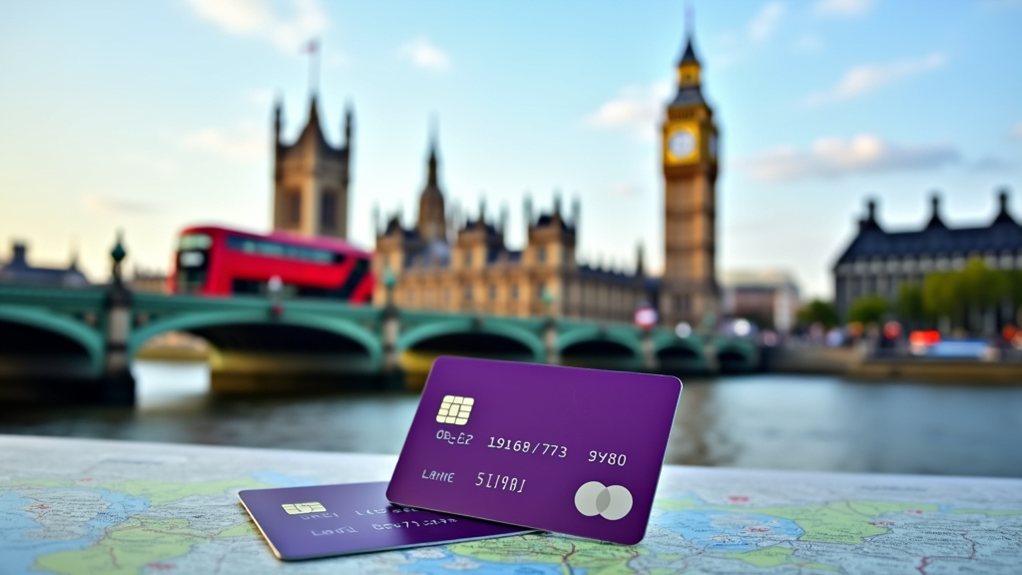
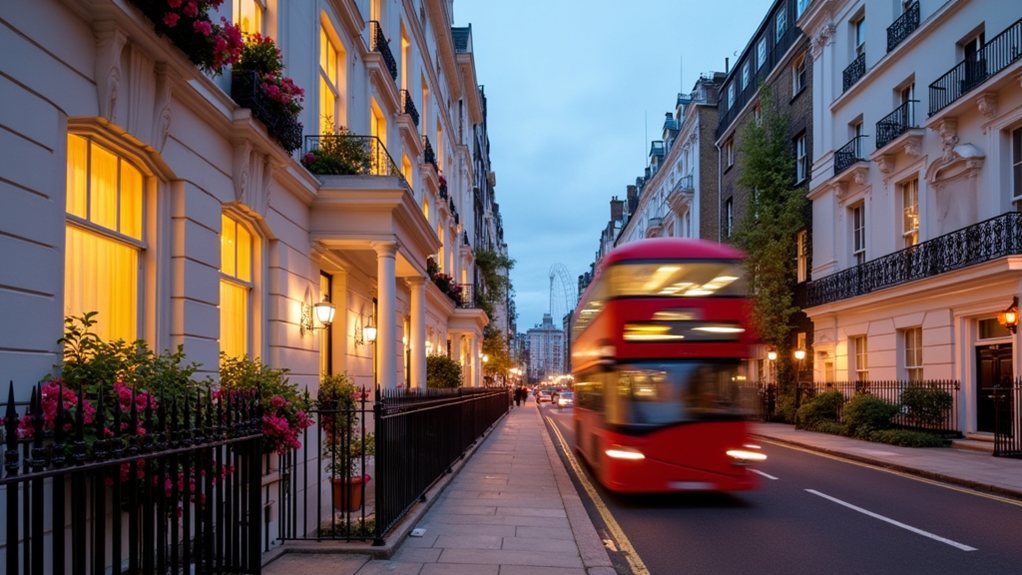
In 2026, travelers to London will find that daily expenses can vary considerably based on their budget. For budget travelers, the average daily cost is expected to range from £35 to £50. This amount includes accommodation, food, and transportation.
Mid-range travelers may spend between £60 and £110 per day, offering a bit more flexibility in choices. Accommodation prices will fluctuate throughout the year, with peak months like June and July being the most expensive. In contrast, January and February will provide cheaper options for those who can visit during the off-peak season.
Public transportation in London remains an essential part of getting around the city. Travelers can use the Oyster Card system, which caps daily travel costs at around £12 in designated zones. This card makes it easier for visitors to budget for public transport, which is important for reaching various attractions.
As a note, the congestion charge for driving in central London will increase to £18 per day, although residents will still receive a 90% discount.
London offers a variety of attractions, appealing to different budgets. Many popular sites, like the London Eye, will charge around £30 to £40 per adult. However, travelers can also enjoy a mix of free and paid experiences, allowing them to explore the city without overspending. For those looking to maximize their experience, purchasing a London Pass can provide access to numerous attractions while saving on costs.
For budget travelers, focusing on free attractions or discounted tickets for multiple sites can help manage costs effectively. As visitors plan their trips, understanding these travel costs is essential. They should consider the season and their spending habits when determining their budget.