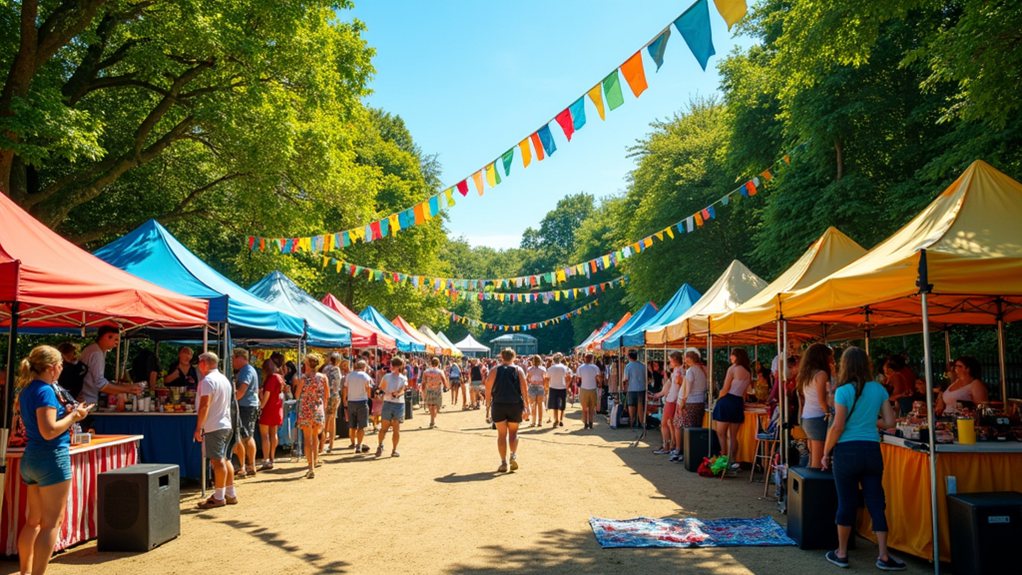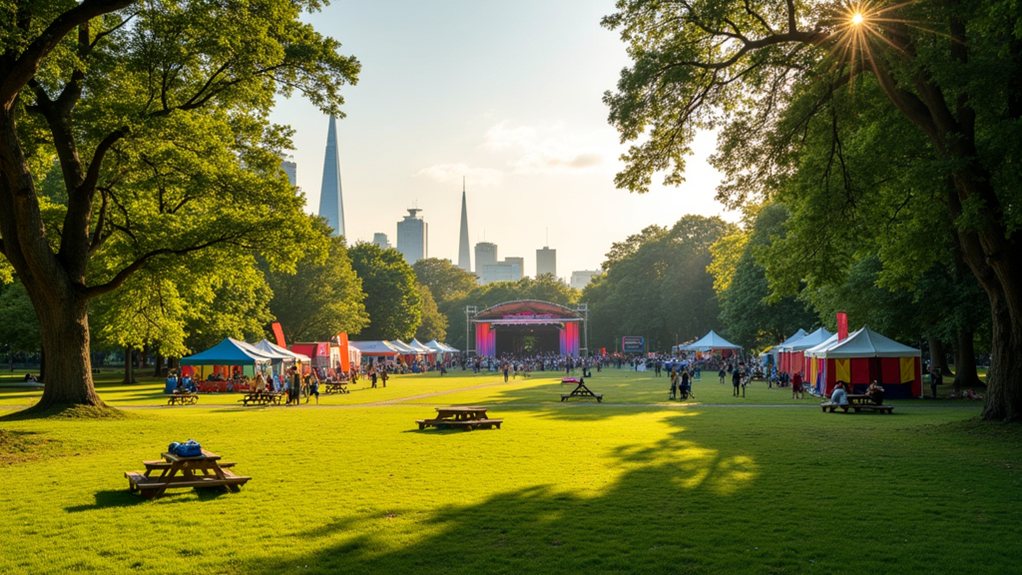

London parks are set to host several major music festivals in 2026, including Field Day, Mighty Hoopla, and Wireless, which are expected to attract large crowds and generate significant revenue for local economies. These festivals promise to bring vibrant cultural events to the city, but they also raise important questions about public access and ecological impact.
As the number of festivals increases, so does the concern among local communities regarding their effects on parks and green spaces. In recent years, festivals in locations like Brockwell Park have faced legal challenges. These challenges often arise due to the festivals exceeding the allowable days of public park usage.
Community groups, such as the Protect Brockwell Park campaign, have argued that the festivals disrupt public access to these essential green spaces. Their efforts highlight the need for careful planning and adherence to planning permission processes, ensuring that festivals do not infringe on the rights of local residents.
Community groups emphasize the importance of careful planning to protect public access and residents’ rights amidst growing festival activities.
The operational demands of festivals can be quite significant. They typically require around 37 days of land use for setup and dismantling. This extended usage not only limits access for community members but also raises concerns about potential ecological damage. The impact on local flora and fauna is an important consideration when planning large events in public parks.
Moreover, local communities are increasingly vocal about the balance between cultural events and public accessibility. Residents demand that their voices be heard in discussions regarding the usage of parks. They are advocating for a more equitable approach that allows for the celebration of music and culture while still prioritizing the needs of the community and the preservation of the environment.