
As Liverpool Street Station prepares for a proposed $1.2 billion makeover, the debate over modernization versus historic preservation intensifies.
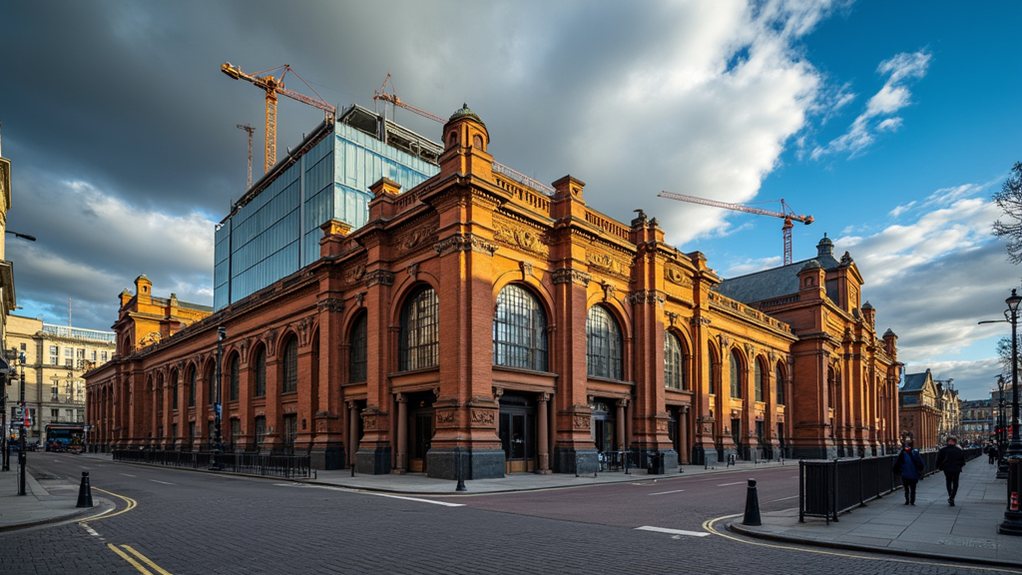
The redevelopment aims to modernize facilities, improve passenger capacity, and integrate contemporary design elements to better serve the growing number of travelers. However, this ambitious project has raised significant concerns among preservationists who fear that the changes could negatively impact the station’s historic architecture, which is recognized for its Victorian-era features.
Preservationists advocate for balancing modernization with the preservation of the station’s historical character. They believe that maintaining key architectural elements is vital to respecting the station’s legacy and its cultural significance within the community. The station is not just a transportation hub; it is a landmark that holds historical value for many people.
Consequently, stakeholders in the project are engaged in extensive consultations with heritage organizations. These discussions are essential to guarantee that the plans honor the station’s historical importance while enhancing its functionality.
Opponents of the makeover argue that significant alterations could undermine the station’s historical significance. They express concerns that contemporary design elements might clash with the existing architecture, leading to a loss of the station’s unique character.
Critics warn that if the makeover proceeds without careful consideration, it could transform the station into a generic transportation facility, losing its distinctive charm and cultural identity.