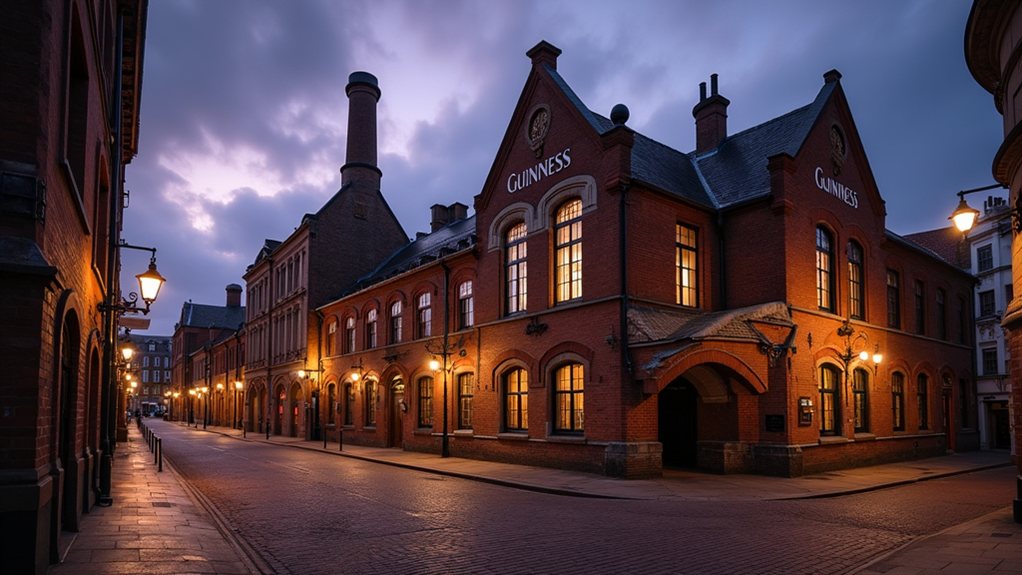
Diageo announced the closure of its Park Royal brewery in London, marking the end of nearly 70 years of Guinness production at the site. Opened in 1936, this brewery was established to avoid UK beer import duties during a trade war.
The decision to close the Park Royal brewery was attributed to overcapacity and a strategic move towards greater efficiency in operations. This decision, however, resulted in the loss of approximately 90 jobs, which affected many workers who had dedicated years to the brewery.
With the closure of the Park Royal brewery, Diageo decided to consolidate all brewing operations for Guinness in the UK and Ireland at the St James’s Gate brewery in Dublin.
This consolidation was not only a response to market conditions but also a way to expand production capacity. The St James’s Gate brewery would become the sole site for Guinness brewing, enhancing its ability to meet market demand and maintain its strong presence in the beer industry.
Diageo framed this closure as a proactive measure to streamline operations rather than a result of poor brand performance.
Although sales of Guinness had seen a dip in the overall market, the company believed that focusing production in one location would allow for better management and improved efficiency.
Following the closure, Diageo announced plans to invest at least £15 million into the St James’s Gate brewery. This investment is expected to increase production capabilities and guarantee that the beloved Guinness brand continues to thrive.