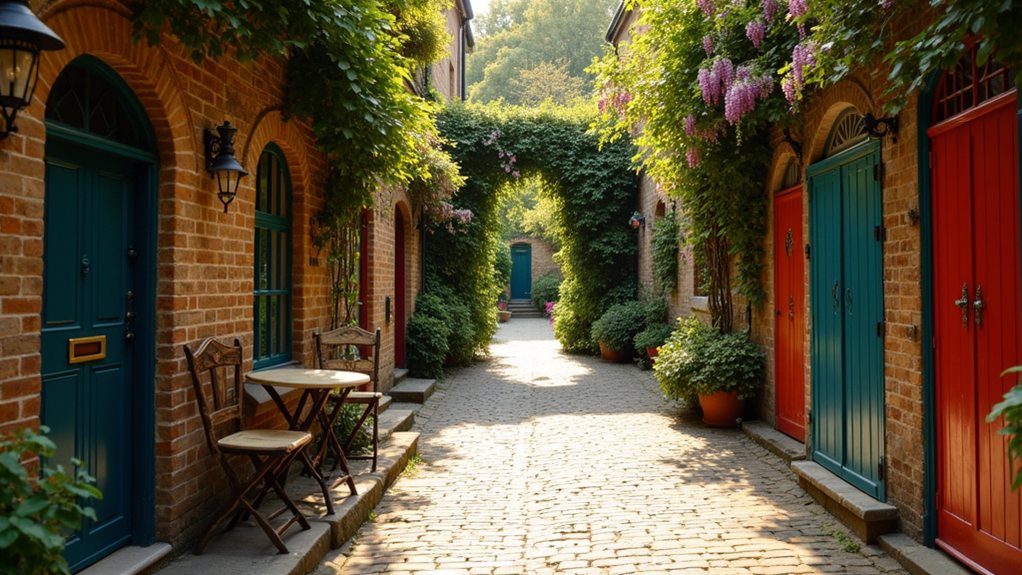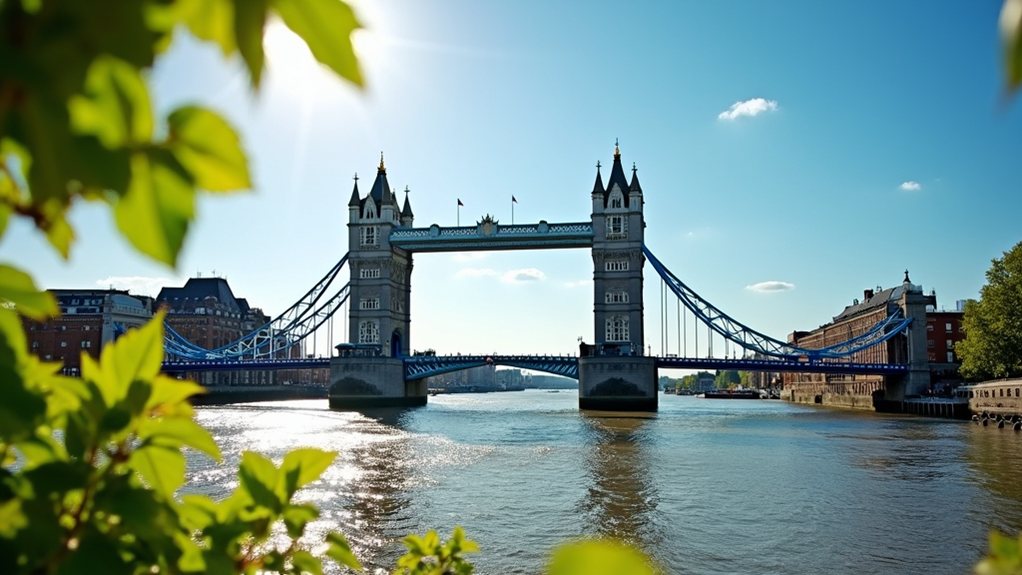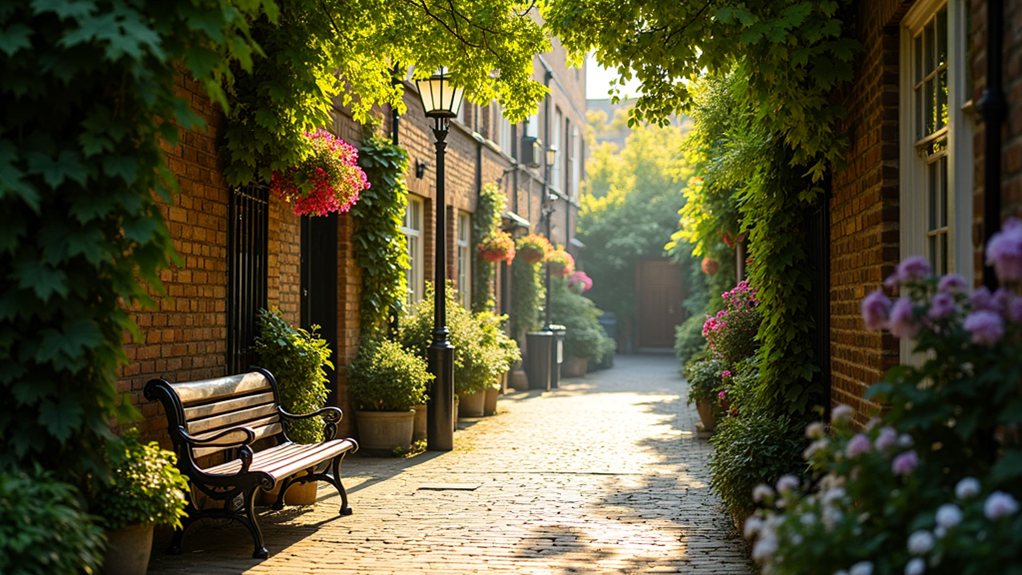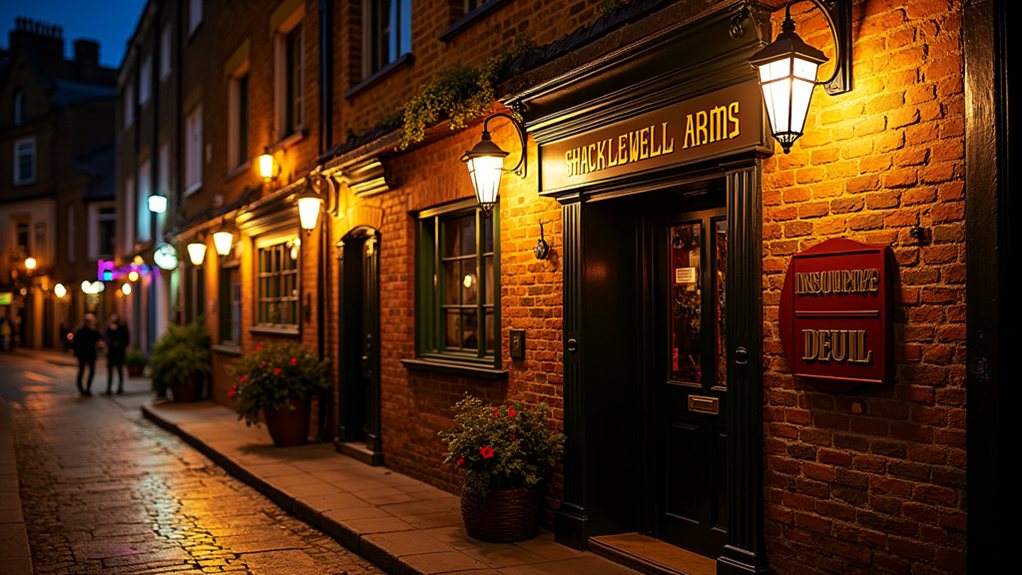
Nestled in the heart of London, Bloomsbury stands as one of the city’s most culturally significant yet underappreciated neighborhoods. This charming district has captivated visitors and locals alike for centuries with its rich history and hidden treasures. However, based on available historical information, there is insufficient evidence to support claims about Bloomsbury being a specific location where aristocrats commonly engaged in dueling practices or where particular gardens flourished in the manner suggested.
While dueling was indeed a practice among European and British aristocracy from the 16th to early 19th centuries, historical records do not specifically identify Bloomsbury as a notable dueling ground. Duels in Britain typically took place in secluded areas away from public view, such as Hyde Park, Wimbledon Common, or Battersea Fields, rather than in Bloomsbury’s more populated urban setting.
These affairs of honor were conducted according to strict codes of conduct, often at dawn to avoid legal interference, but Bloomsbury does not feature prominently in accounts of such encounters. The practice was fundamentally rooted in a man’s desire to demonstrate his readiness to risk his life for his honor.
Similarly, while London certainly boasts a rich history of gardens and green spaces, including the nearby British Museum gardens and Russell Square, there is no substantial historical record specifically highlighting Bloomsbury as an exceptional center for garden culture or horticultural innovation during the periods when dueling was practiced.
Bloomsbury’s actual historical significance lies elsewhere—in its literary heritage as home to the Bloomsbury Group, its academic importance with institutions like University College London, and its architectural charm with Georgian squares and terraces. In England, the transition from swords to pistols as dueling weapons occurred around 1770s and onwards, signifying a broader societal shift in how honor disputes were settled. Victor Kiernan’s comprehensive study reveals that dueling served as a distinctive badge of rank among European aristocratic elites, separating them from commoners.
These elements constitute Bloomsbury’s true hidden gems that continue to attract visitors today.
For those interested in exploring authentic historical sites related to aristocratic dueling or historic gardens in London, more appropriate locations would include Hyde Park’s dueling grounds or the carefully preserved historic gardens at Hampton Court Palace, Kew Gardens, or Chelsea Physic Garden, where visitors can genuinely connect with these aspects of London’s past.