A 2-day London itinerary includes visiting Buckingham Palace, Big Ben, and Tower Bridge on the first day, combined with walks through Green Park and along the South Bank. Evenings can be spent in the West End theater district with dining options in Soho. The second day focuses on cultural sites like the British Museum and Natural History Museum or Tate Modern. Time in Hyde Park and a Thames boat trip offer outdoor and unique experiences. Further details provide expanded options and practical tips.
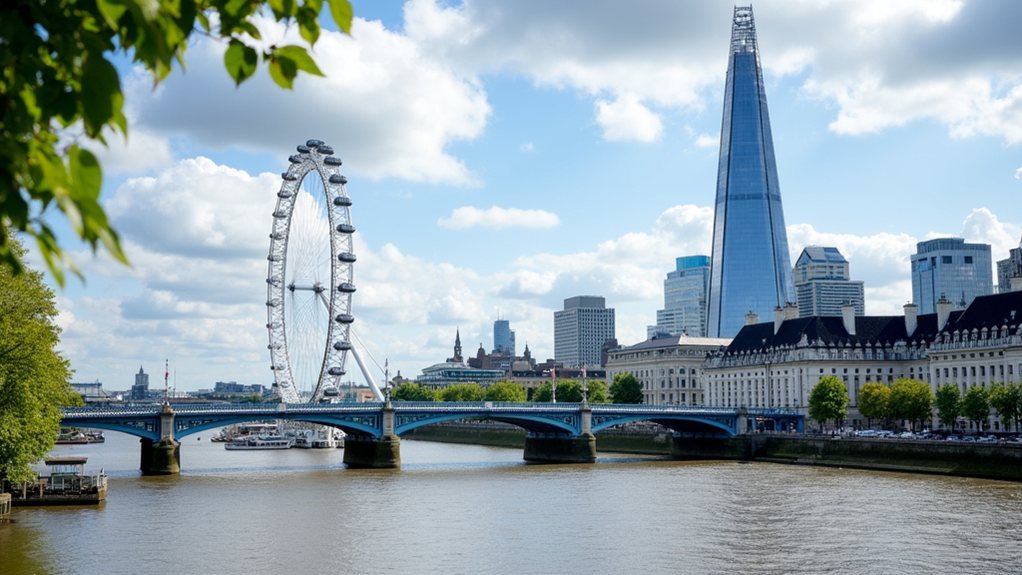
When planning a visit to London, it is essential to include a mix of iconic landmarks, cultural experiences, and outdoor activities to fully appreciate the city’s offerings.
On the first day, visitors should begin with a morning tour of Buckingham Palace, the symbolic residence of the British Royal Family, available for viewing on selected dates. From there, a short walk leads to Green Park and St James’s Park, which provide green spaces around the palace.
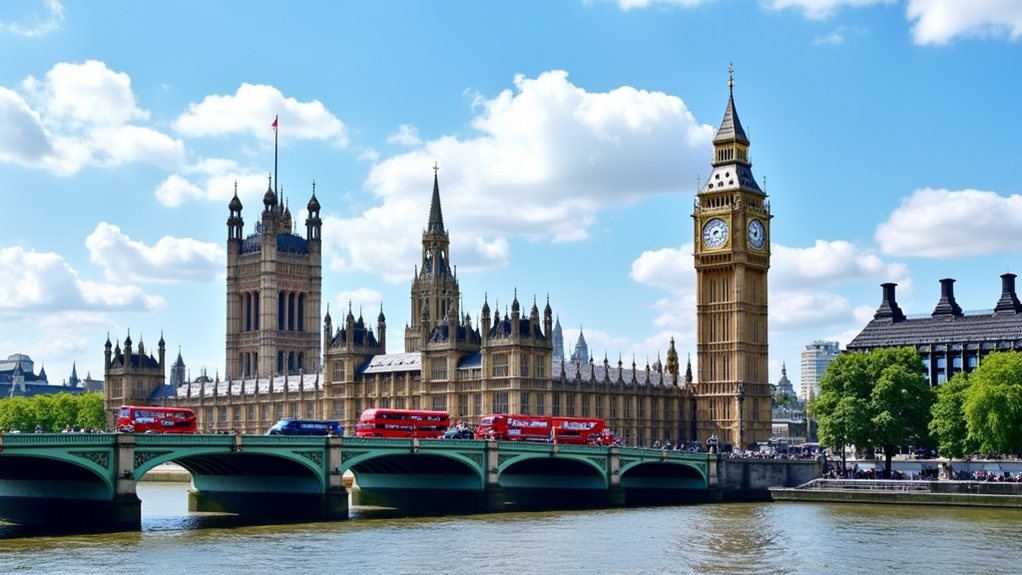
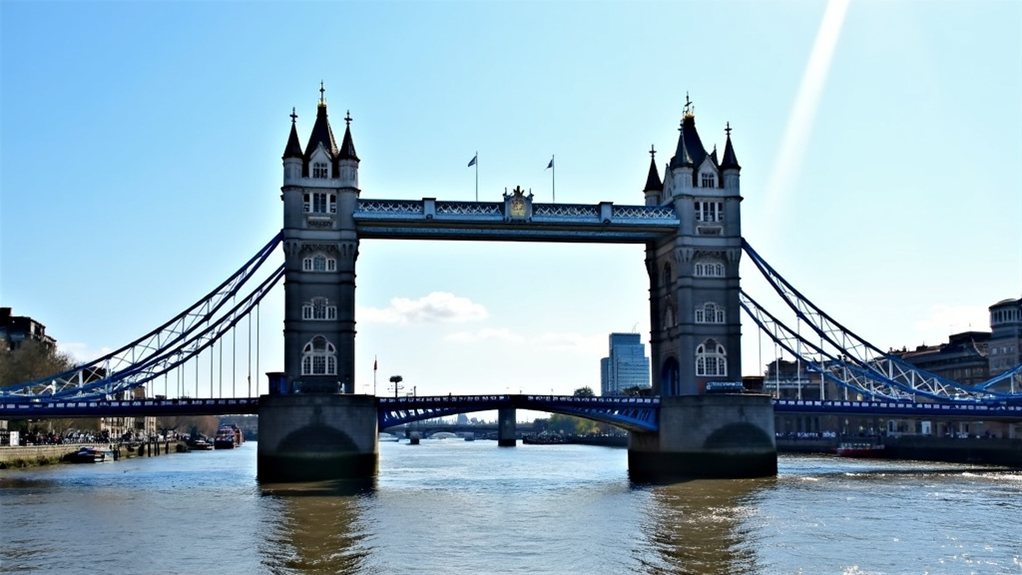
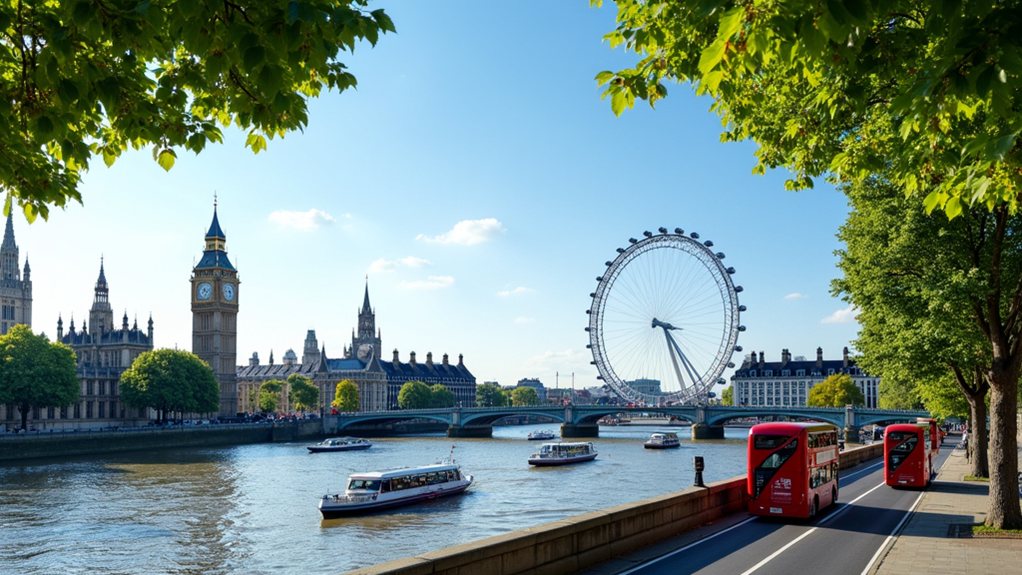
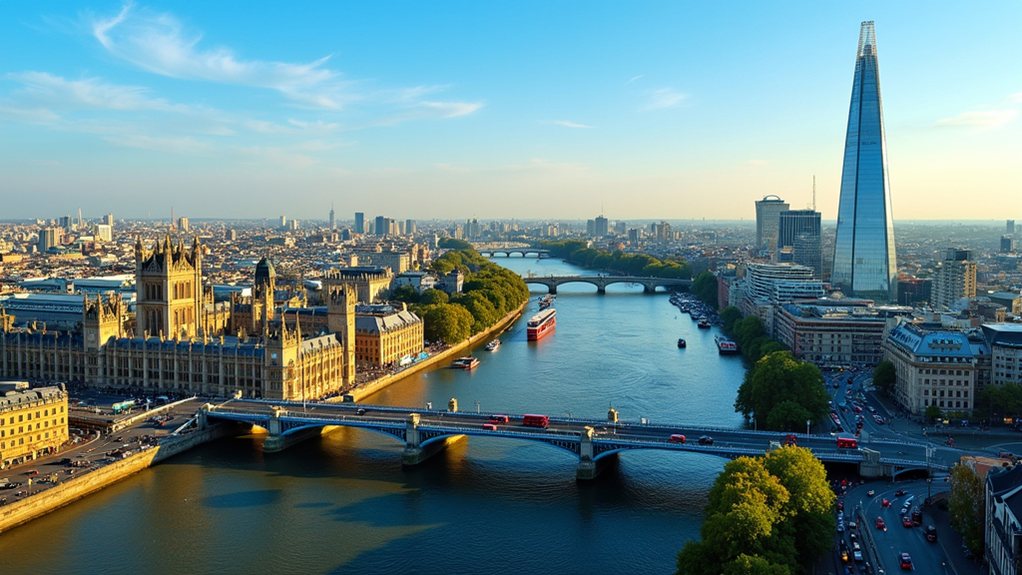
Walking toward Westminster, tourists will find Big Ben and the Houses of Parliament, two of London’s most recognizable landmarks, best viewed from the South Bank. Continuing along the South Bank Thames Path offers scenic views of the London Eye, Shakespeare’s Globe, and eventually Tower Bridge, which features an exhibition space inside its distinctive structure. Nearby, the Museum of Shakespeare will soon open with immersive exhibitions celebrating England’s famous playwright.
For the evening, the West End theater district presents an opportunity to see world-famous musicals and plays, complemented by dining options in nearby Soho.
The second day can focus more on cultural institutions and outdoor spaces. Starting at the British Museum, visitors can explore thousands of artifacts, including the Rosetta Stone and Parthenon Sculptures, with free entry and available guided tours.
Following this, the Natural History Museum offers a family-friendly experience centered on life on Earth, also free to enter. Art enthusiasts may prefer the Tate Modern on the Thames, showcasing modern and contemporary collections.
Outdoor options include Hyde Park and Kensington Gardens, featuring the Serpentine lake and the Diana statue, ideal for quiet walks. For panoramic city views, the London Eye or The Shard’s viewing gallery provide extensive perspectives of London’s skyline.
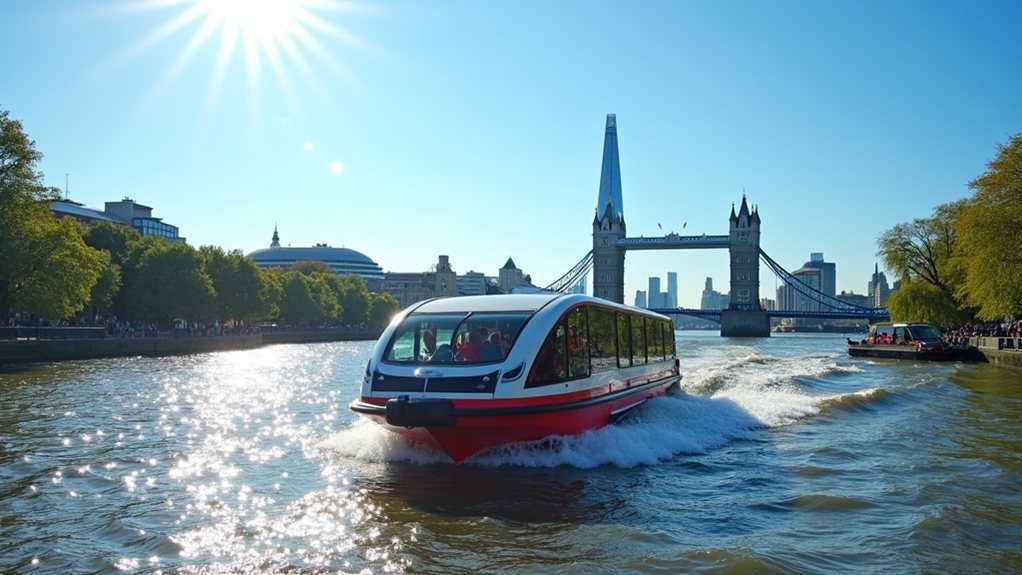
To conclude the visit, a Thames boat trip offers a unique way to see landmarks like the Tower of London, known for the Crown Jewels and Beefeater tours, and the Houses of Parliament from the river.
This itinerary balances history, culture, and outdoor experiences, enabling visitors to cover major highlights efficiently within two days.
Frequently Asked Questions
What Is the Best Time of Year to Visit London?
The best time to visit London is during spring (April to June) or autumn (September to October), when weather is mild and crowds are moderate.
Early May offers pleasant temperatures around 15°C and fewer visitors, ideal for walking tours.
Avoid peak summer months, July and August, due to high tourist numbers and increased prices.
December attracts visitors for festive markets but also sees higher costs and crowds.
January is quiet but colder.
How Safe Is London for Tourists?
London is generally safe for tourists, with higher police presence and security measures in popular areas.
Petty thefts like pickpocketing and phone thefts occur, especially in crowded spots such as Oxford Street and transport hubs. Violent crimes are rare in tourist districts.
Visitors should stay in well-policed neighborhoods, keep valuables hidden, avoid poorly lit areas at night, and stay aware of protests.
Using public transport safely and registering with embassy alerts is advisable.
Are There Any Free Attractions in London?
London offers many free attractions, including world-class museums such as the British Museum, National Gallery, and Tate Modern, all with no admission fees.
Visitors can explore scenic outdoor spaces like Hyde Park and Greenwich Park at no cost.
Cultural sites like the Museum of London Docklands and the Imperial War Museum also provide free entry.
Advance booking is recommended for places like Sky Garden and Barbican Conservatory to secure access.
These options suit diverse interests without financial barriers.
What Is the Best Transportation Method in London?
The best transportation method in London is the Underground and Docklands Light Railway, accounting for about one-third of all trips.
These networks offer extensive coverage and frequent service, making them efficient for traversing the city.
Buses provide growing accessibility with increased safety features, while cycling is rapidly gaining popularity due to expanded infrastructure.
Private vehicle use is low, and walking remains significant.
Combining public transit and active modes is practical for most travelers.
Can I Use My Credit Card Everywhere in London?
Credit cards are widely accepted throughout London in shops, restaurants, attractions, and public transport, especially contactless payments.
Most merchants support major networks like Visa and Mastercard, though American Express may be less common.
Some small or niche businesses might prefer cash or set minimum card spend limits.
Foreign cards generally work well, but fees may apply.
Carrying some cash is advised for markets or remote areas with limited card acceptance.