As London’s culinary landscape continues to evolve in 2026, diners are discovering unexpected flavor combinations and innovative dining concepts across the city. The emergence of “swicy” profiles, which balance sweetness with heat, is transforming menus at establishments like Pimento Hill, where Scotch Bonnet Chilli Jam has become a signature offering.
London’s culinary scene in 2026 thrives on “swicy” innovations, where sweet meets spicy in groundbreaking flavor profiles.
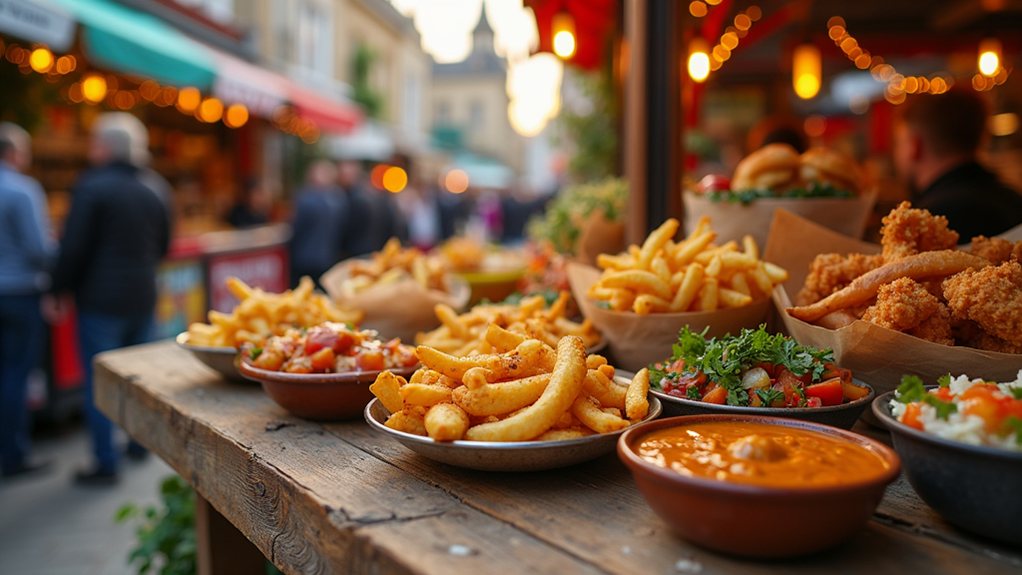
Rambutan’s popular mutton rolls featuring tamarind ketchup exemplify this trend, which Borough Market predicts will dominate food scenes based on insights from their traders. This bustling market is known for its vibrant atmosphere, making it a perfect spot to explore these culinary innovations.
Snacking options have undergone significant upgrades, with emphasis shifting toward taste, nutrition, and sustainability. Protein-rich vegan alternatives are gaining traction, while Raya Grocery has introduced edible insects as health-focused options.
Perelló’s Spicy Broad Beans represent the movement toward nutrient-dense, functional foods that maintain flavor without compromising ecological values.
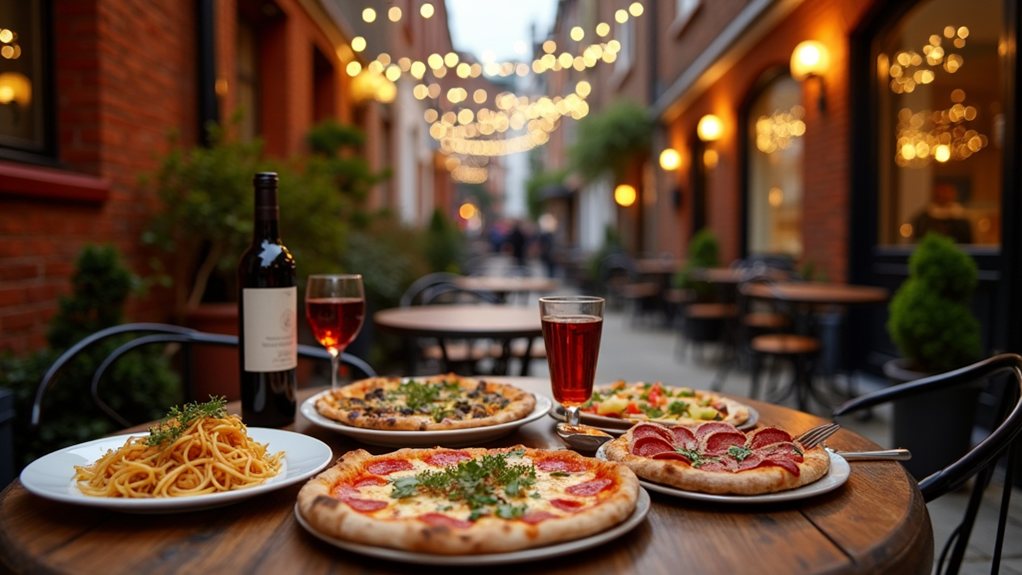
Discerning diners are increasingly rejecting generic national cuisines in favor of regional specificity. Restaurants like Kolae, which specializes in Thailand’s Southern Provinces cuisine, and Camille, featuring location-specific French bistro dishes on rotating daily menus, reflect this growing preference for authentic, localized traditions.
Morning meals are experiencing a renaissance as brunch fatigue sets in. Traditional fry-ups are regaining popularity alongside premium pastries like the brioche-doughnut hybrid “brionut.” Tea consumption has evolved beyond just caffeine intake into a mindful experience, with ceremonial options like matcha and hojicha replacing traditional English Breakfast teabags.
Maria’s Market Café stands as a Borough Market institution leading this breakfast comeback, while establishments such as Mallow and Comptoir Bakery elevate morning dining to a proper occasion.
The restaurant sector shows strong signs of growth, with net openings at their highest since Brexit. Closure rates have dropped to decade lows, while average dinner prices have increased 4.7% to £82.58, with premium establishments seeing even steeper rises between 6.8-8.6%.
Mediterranean and Japanese cuisines continue their strong showing in new openings, with Japanese cuisine adding 11 new establishments to London’s dining scene, while emerging “it-roads” outside central London are becoming culinary destinations.
Tilbury Road in Leytonstone, featuring Win’s Bakers and Chunk Provisions, exemplifies how peripheral neighborhoods are transforming into food lover destinations, mirroring established areas like Portobello and Columbia Road.
The growing trend of comfort food in upscale settings has led restaurants like Dove’s to serve off-menu burgers in elegantly candle-lit dining rooms, satisfying diners’ desire for familiar cuisine in sophisticated atmospheres. Piccadilly Circus, with its blend of historic charm and modern attractions, remains a premier location for culinary exploration amid London’s diverse dining landscape.