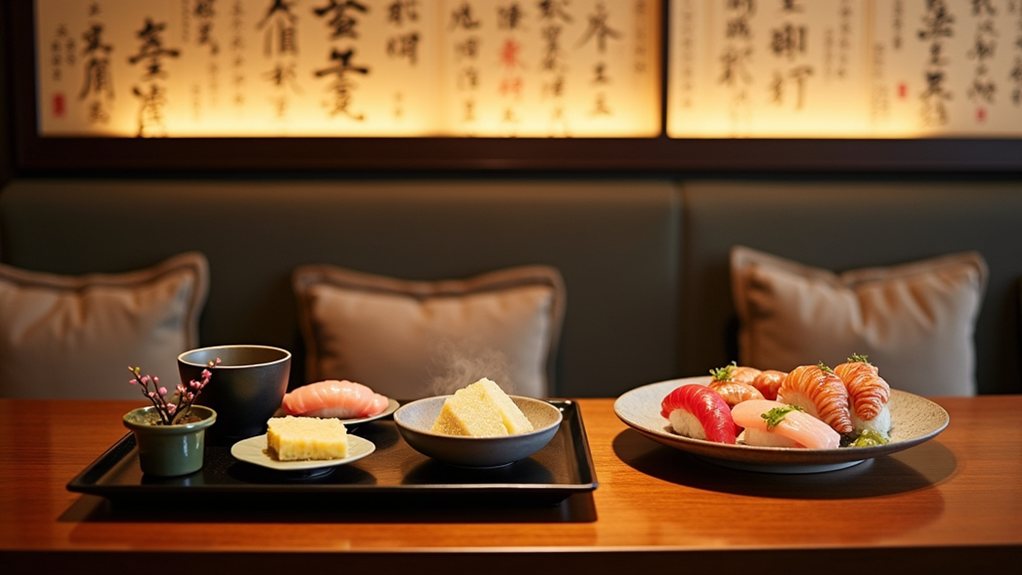

The landscape of Japanese cuisine in Central London has transformed dramatically over the past decade, with hundreds of restaurants now offering everything from casual ramen to exclusive omakase experiences. This evolution has been particularly evident in upscale neighborhoods such as Mayfair, Soho, and Marylebone, where Michelin-recognized establishments like Umu, Endo at The Rotunda, and Sushi Kanesaka have established London as a premier destination for authentic Japanese dining outside of Japan.
Recent years have seen a significant expansion of high-end Japanese restaurants into luxury hotels and major redevelopment projects. Notable examples include Nobu Hotel Shoreditch and Kioku at The OWO rooftop, which opened their doors during 2023-2025. The culinary scene has been enriched by specialized venues like Kanada-ya, where broths are simmered for 18 hours to create exceptionally rich flavors. At NIJŪ on Berkeley Street, diners can experience authentic Japanese home-cooking crafted by third-generation sushi master Chef Endo Kazutoshi. These venues have introduced refined dining formats previously uncommon in London, from traditional omakase sushi counters to formal kaiseki multi-course experiences that showcase seasonal ingredients and meticulous preparation techniques.
The dining formats vary considerably across Central London’s Japanese restaurant scene. Small, intimate omakase counters with limited seating create exclusivity and personalization, while larger establishments offer izakaya-style shared plates and robata grills that appeal to after-work crowds in Soho and the City.
Family-style katei ryōri dining has gained popularity through concepts like NIJŪ in Mayfair, providing a more accessible entry point to traditional Japanese cooking.
Culinary offerings emphasize high-quality sourcing, with premium restaurants featuring seasonal seafood imported directly from Japan alongside locally sourced ingredients. The meticulous attention to technique—whether edomae sushi preparation or precise robata grilling—distinguishes these restaurants from more casual Japanese dining options.
Beverage programs have similarly evolved, with sophisticated sake pairings and Japanese whisky selections complementing the food.
The market stratification remains pronounced, with price points ranging from affordable ramen shops near transport hubs to exclusive Michelin-starred experiences commanding significant premiums. This diversity has created a vibrant ecosystem where traditional Japanese culinary arts continue to flourish amid London’s competitive dining landscape, accessible to various customer segments from locals to international visitors.