
A rich tapestry of flavors and techniques, Portuguese cuisine represents over two millennia of cultural evolution and global exploration. The foundations were laid when Romans introduced wheat, olives, and wine in the 3rd century BC, creating a Mediterranean base that would evolve through centuries of influence.
The Moorish occupation from the 8th to 14th centuries brought transformative ingredients like rice, citrus fruits, and almonds, along with advanced irrigation methods that changed Portuguese agriculture forever.
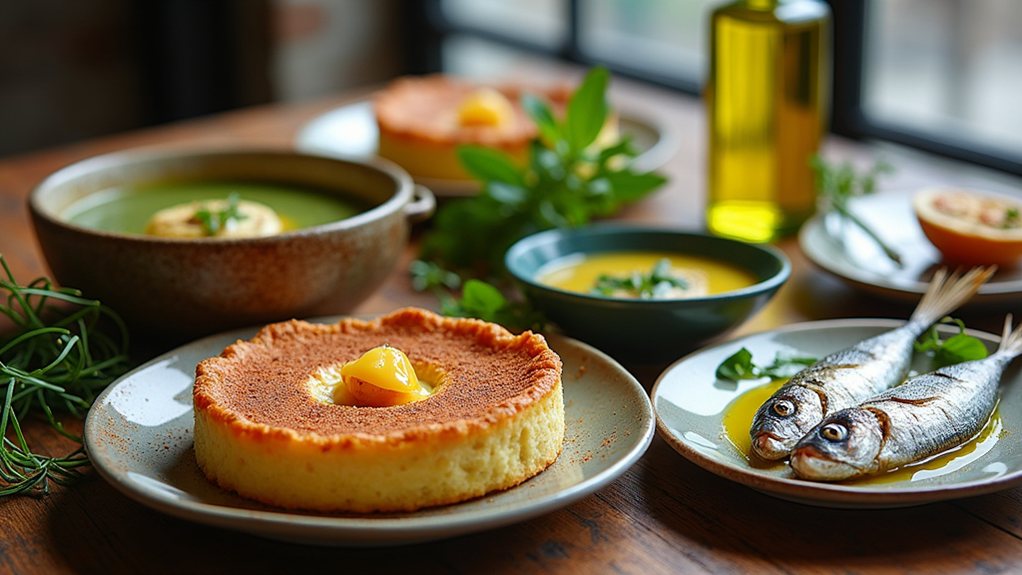
London’s growing Portuguese restaurant scene showcases this historical depth with dishes centered around bacalhau, the salt cod that became Portugal’s national obsession. With 365 different preparations—one for each day of the year—bacalhau arrived in Portuguese cuisine during 16th-century voyages to Newfoundland.
The fish was preserved through salting and drying, techniques dating back to Roman times that became essential for maritime journeys.
The hearty tripas à moda do Porto reflects Portugal’s resilience, originating during 14th-century sieges when Porto citizens sent their meat to soldiers and kept tripe for themselves. This historical sacrifice earned Porto residents the nickname “tripeiros,” which continues today. The beloved “Caldo verde” soup with potatoes, cabbage, and sausage offers a comforting taste of Portuguese tradition in many London establishments.
Similar resourcefulness appears in Portuguese desserts, where convent recipes developed when nuns used egg yolks left over after the whites were used for starching clothes and making communion wafers.
Portugal’s Age of Discoveries under Prince Henry the Navigator in the 15th century introduced tomatoes, potatoes, and spices that revolutionized the nation’s cooking.
Explorers returned with black pepper, cinnamon, and cloves from Asia, while American voyages brought back potatoes, tomatoes, and chocolate.
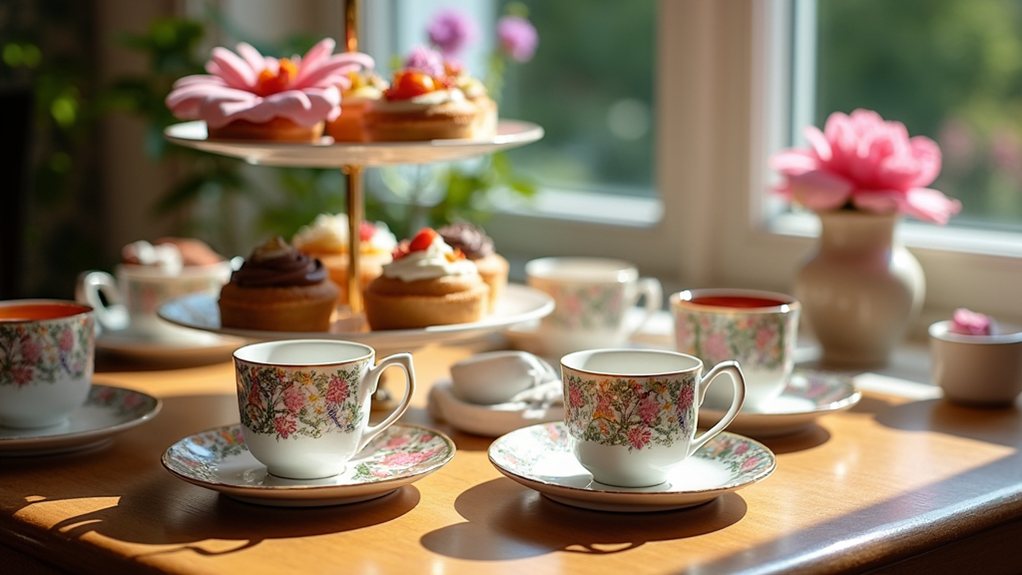
The famous pastel de nata, with its flaky pastry and cinnamon-dusted custard filling, originated at the Jerónimos Monastery and represents the pinnacle of doçaria conventual—convent sweets that combine egg yolks with sugar. Today’s Londoners especially enjoy these sweet pastries during breakfast hours, continuing the Portuguese tradition of starting the day with sweet treats and strong coffee.
These recipes were secretly passed down through generations of noble nuns, preserving techniques that still define authentic Portuguese baking found in London’s specialty bakeries today. Many London restaurants now serve traditional Portuguese cuisine in a cozy, family-run atmosphere reminiscent of authentic tascas found throughout Portugal.