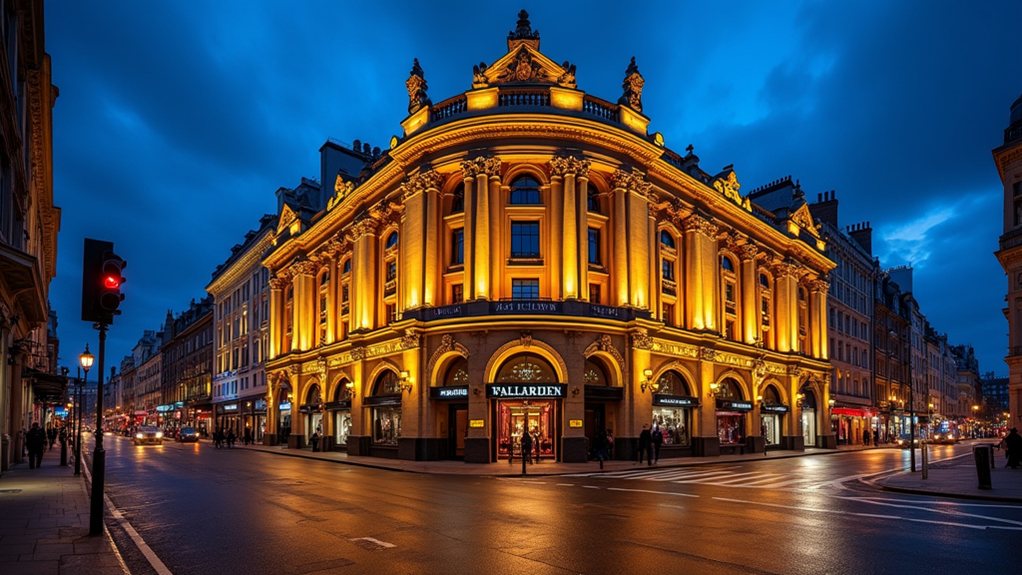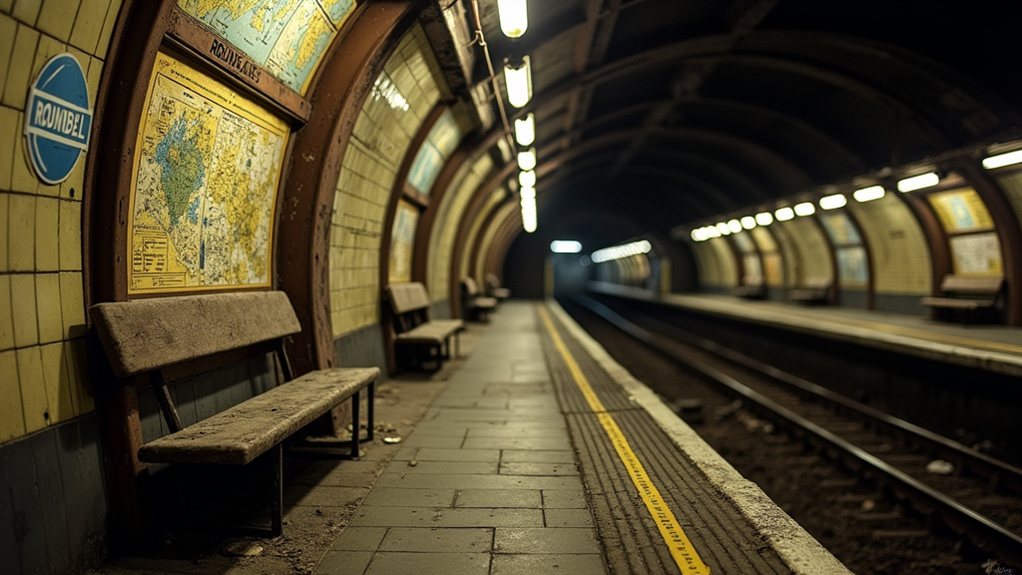

London’s underground network is home to many secrets, including Down Street Station, a forgotten gem of the Tube system. Opened in 1907 on the Piccadilly Line, this station was designed by the architect Leslie Green. It features unique architectural elements, such as beautiful ox-blood red tiles and semi-circular windows, which showcase the early 20th-century design aesthetic. However, Down Street Station was closed just 25 years later, in 1932, due to low passenger numbers.
London’s Down Street Station, a hidden architectural gem, reflects early 20th-century design and a rich history waiting to be explored.
During World War II, the station found a new purpose. Its significant depth of 22 meters made it a safe location for the Railway Executive Committee (REC), which used it as their headquarters. This decision highlighted the station’s importance as a communications hub, impacting railway logistics throughout Britain. Even after its official closure in 1932, Down Street remained operational in this role until 1947, demonstrating its continued relevance during a tumultuous time.
Today, Down Street Station stands preserved as a historical site, offering a glimpse into London’s underground history. Special tours are available for those interested in exploring this hidden treasure.
Visitors can learn about its architectural significance, wartime role, and the stories that surround its past. These tours provide insight into not only the station’s design but also its contributions to London’s transport network.
While many may pass by the entrance without a second thought, Down Street Station tells a story of innovation and resilience. It serves as a reminder of how even the smallest parts of a city can have a profound impact on its history.
For those looking to explore beyond the usual tourist attractions, a visit to this forgotten station provides an opportunity to connect with a unique piece of London’s heritage.