First-time visitors to London should consider staying in central areas like Westminster, South Bank, or Covent Garden for easy access to major landmarks such as Big Ben and Buckingham Palace. These locations offer a variety of accommodations, including family-friendly hotels with amenities like indoor pools and spacious suites. They provide convenient public transport connections and nearby shopping and entertainment. Choosing hotels in these neighborhoods guarantees a practical and comfortable stay, with additional insights available to help select the best option.
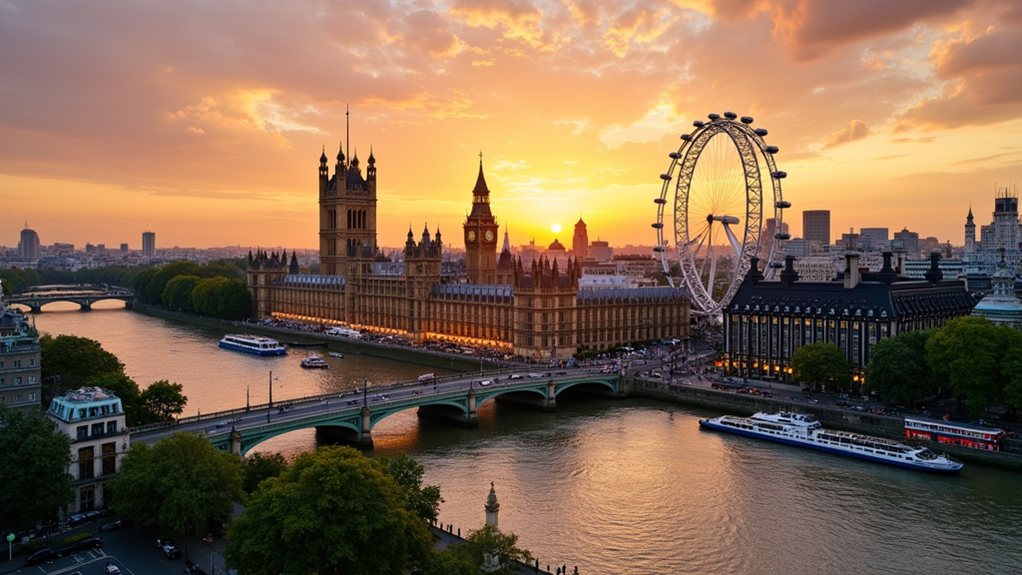
When choosing where to stay in London, visitors should consider their priorities such as proximity to major attractions, budget, and family needs. First-time visitors often prefer areas like Westminster and South Bank, which place them near landmarks including Big Ben, Buckingham Palace, the London Eye, and The Shard. Hotels in this area, like Park Plaza Westminster, offer stunning views of Big Ben and cater well to families. These neighborhoods offer a range of accommodations, from boutique hotels to luxury suites and serviced apartments. Hotels such as Park Plaza Westminster Bridge and Marriott County Hall provide family-friendly amenities, including indoor pools and spacious suites, making them suitable for travelers with children. Staying in these central locations also allows easy walking access to iconic sites and excellent public transport connections. Many of these areas are also ideal to visit during spring or autumn for optimal weather and scenery. The South Bank is also known for offering a better price/quality ratio compared to some other central London areas, as it features a variety of hotels near London landmarks.
Consider location, budget, and family needs; Westminster and South Bank are ideal for first-time visitors near major landmarks.
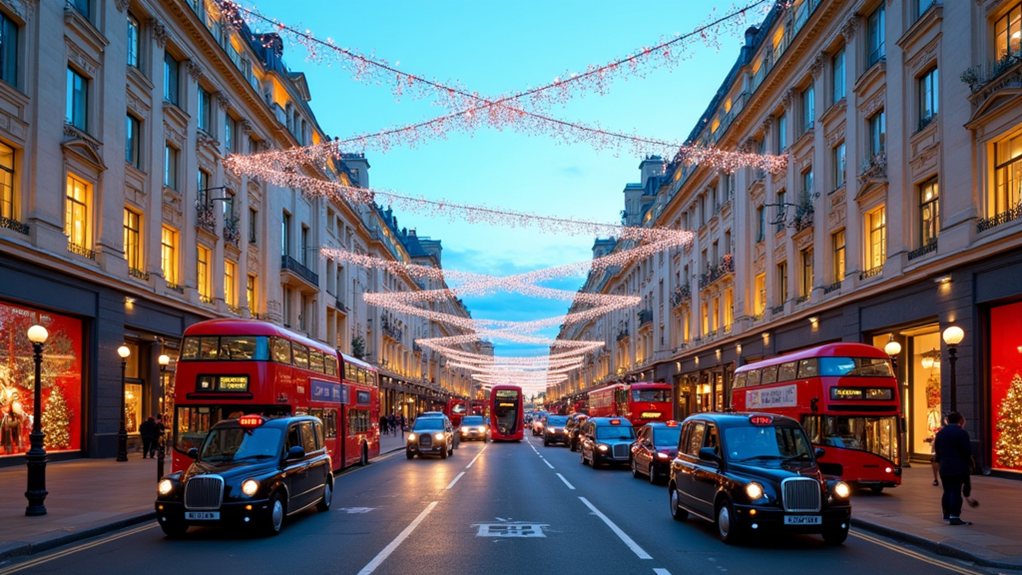
For those seeking a central location with a focus on shopping and entertainment, Covent Garden, Soho, and Charing Cross present good options. These areas are close to historic markets, theaters, and Oxford Street shops. Visitors can find accommodations that range from budget to luxury, with the added benefit of being near tube stations, which facilitates navigation throughout the city.
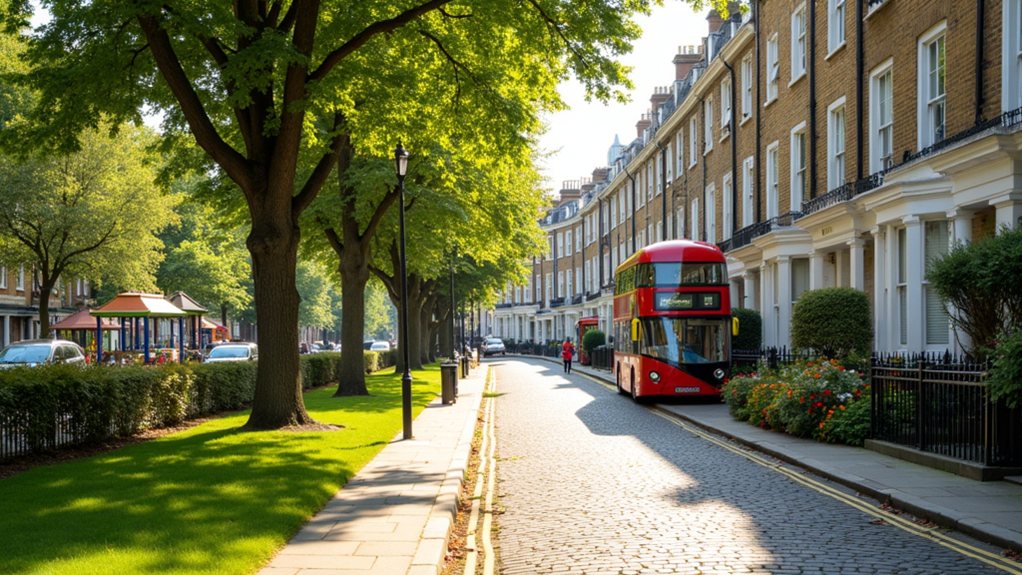
Budget-conscious travelers may opt for areas like Paddington and Bayswater, which offer affordable hotels with convenient access north of Hyde Park. Camden is another practical choice, known for its lively market, proximity to Regent’s Park, and quieter streets with playgrounds, suiting families and budget travelers alike. Marriott Regents Park in Camden provides easy access to tube stations and a quieter atmosphere for families.
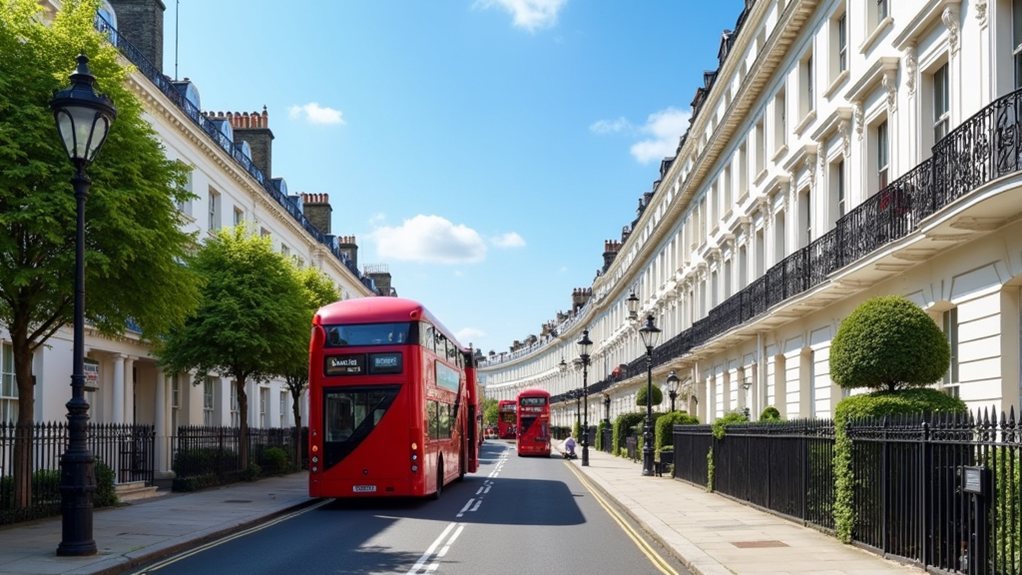
Luxury accommodations are concentrated around Hyde Park and South Kensington, with hotels such as Claridge’s and The Kensington delivering upscale experiences that cater to families. Luxury aparthotels like Cheval Gloucester Park provide the privacy of apartments combined with hotel services, ideal for longer stays.
Wellness-focused options, like Inhabit Queen’s Gardens, add specialized amenities in this segment. For families, hotels and aparthotels with multiple-bedroom suites are available in central locations, including Native King’s Wardrobe near St. Paul’s Cathedral.
Staying within London’s Zone 1 is advantageous for first-timers, as it guarantees proximity to landmarks and major tube stations. Areas near Kings Cross and St. Pancras benefit travelers planning onward Eurostar journeys.
South Bank hotels offer short walks to Westminster sites and excellent public transport links. While quieter neighborhoods like Shepherd’s Bush and Swiss Cottage are accessible via tube or bus, they provide a more peaceful environment without sacrificing connectivity.
Frequently Asked Questions
What Is the Best Time of Year to Visit London?
The best time to visit London depends on preferences.
Spring and autumn offer mild temperatures between 11°C and 15°C, with fewer crowds after summer and scenic surroundings.
Summer attracts many tourists due to warm weather and outdoor events but involves larger crowds and longer queues.
Winter months from January to March provide the lowest prices and fewer visitors, though weather can be cold and wet.
Off-peak seasons favor budget travel and quieter sightseeing.
How Safe Is London for Tourists?
London is generally safe for tourists, especially in central areas like Westminster and Kensington, which have low crime rates and strong police presence.
Theft, including pickpocketing and phone theft, is common in crowded spots such as Oxford Street and public transport hubs, so visitors should stay vigilant and keep valuables hidden.
Nighttime travel is safer on well-lit main roads and public transport, while parks are best avoided after dark due to poor lighting and limited access.
What Public Transportation Options Are Available in London?
London offers extensive public transportation, including the London Underground, with frequent trains across six fare zones covering central and outer areas.
Buses run on 675 routes with a fixed fare, serving nearly all locations.
Additional options include the London Overground, Docklands Light Railway, trams in South London, and river boats on the Thames.
Payment methods include contactless cards, Oyster Cards, and travel cards, facilitating seamless travel across all modes.
Are There Any Local Customs Visitors Should Know?
Visitors should respect London’s queuing etiquette by always joining the end and maintaining personal space.
Politeness is essential, using phrases like “please,” “thank you,” and apologizing when needed.
In public, avoid loud behavior and let passengers exit transport before boarding.
Dining requires proper utensil placement to signal finished meals, and tipping usually follows a 10% standard.
Punctuality is important, and dressing smartly is recommended for social settings.
What Currency Is Used in London?
The currency used in London is the British Pound Sterling, symbolized as £. It is divided into 100 pence, with coins ranging from 1p to £2 and banknotes in £5, £10, £20, and £50 denominations.
Visitors should use pounds for transactions, as other currencies like euros are rarely accepted and often come with poor exchange rates.
Contactless and card payments are widely accepted, offering a convenient alternative to carrying cash.