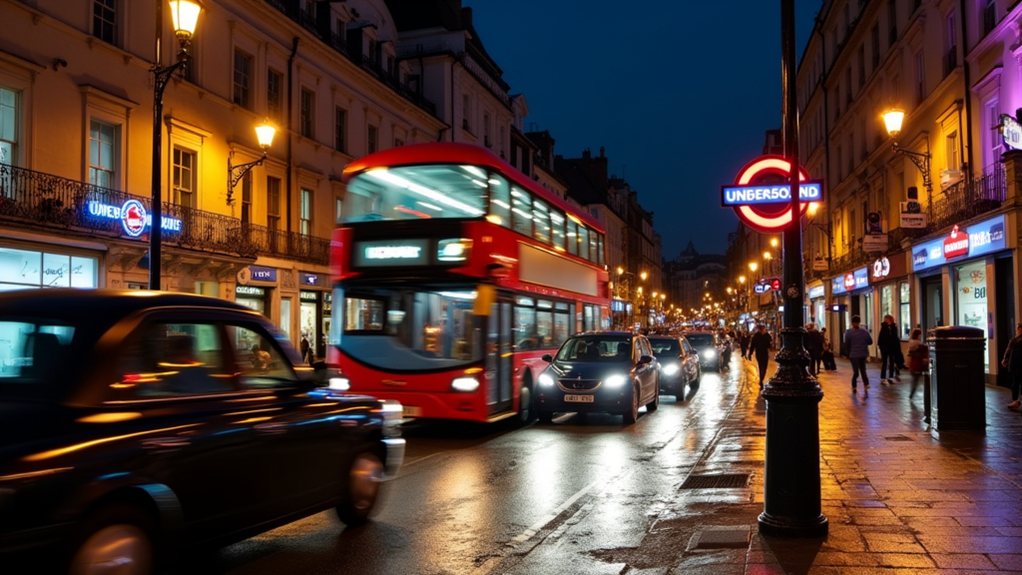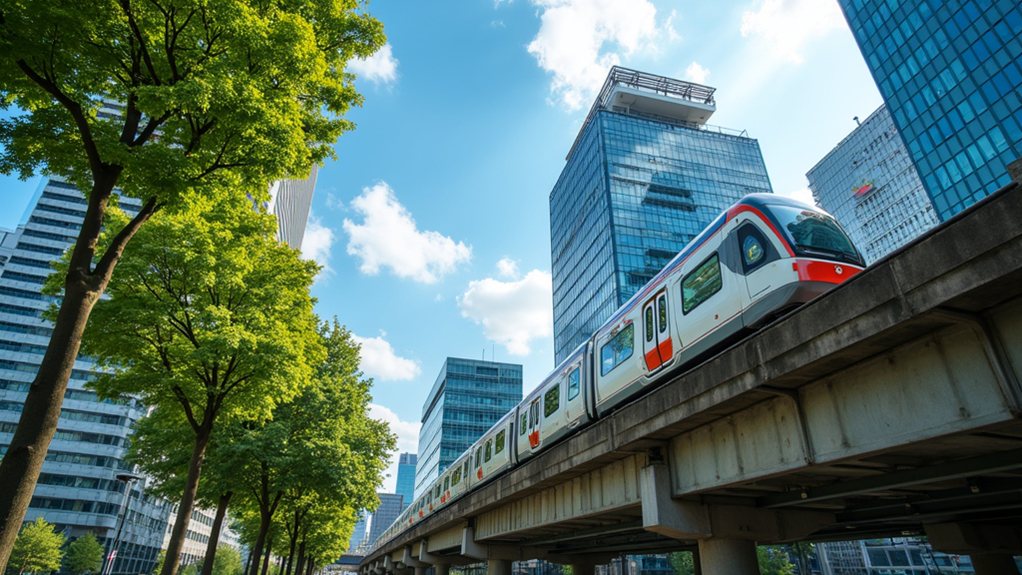

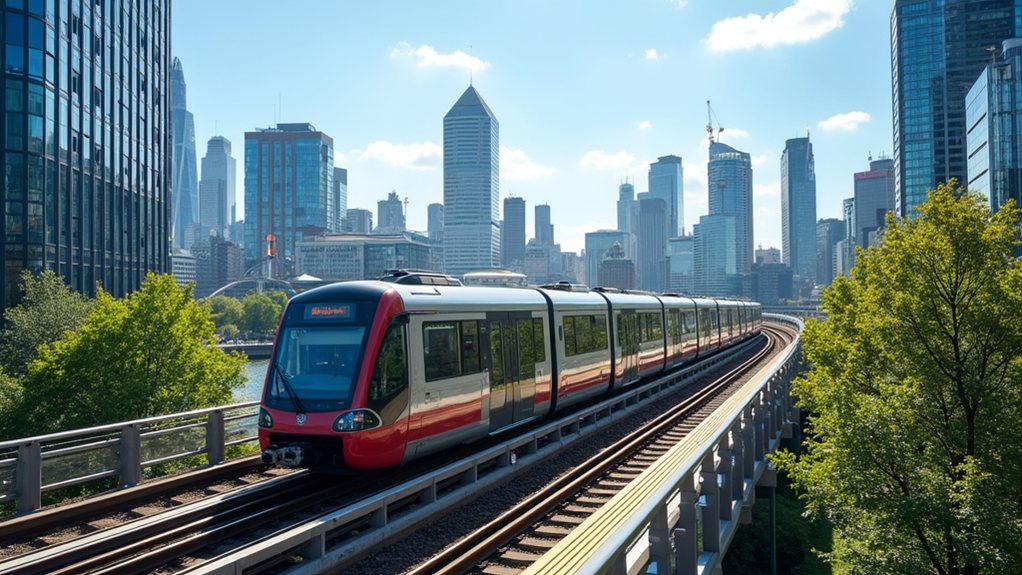
The Docklands Light Railway (DLR) serves as a convenient transport option for newcomers to London, connecting East and Southeast areas with the central city. It allows easy access to business districts, shopping areas, and tourist sites like Greenwich and Canary Wharf. Frequent trains operate from early morning until late night, with simple ticketing via Oyster cards or contactless payments. Stations offer step-free access, aiding travelers with luggage or mobility needs. Additional travel and attraction tips follow.
Where should first-time visitors begin their exploration of London? A practical starting point is the area near Westminster, where key landmarks such as Big Ben, the Houses of Parliament, and Westminster Abbey are located close to each other. These sites are easily accessible on foot, allowing visitors to appreciate the city’s historic architecture without relying on transport. The Westminster area is also known for its iconic sites that symbolize London’s rich history and political heritage. Additionally, the area is a great introduction to London’s vibrant atmosphere and cultural experiences.
Westminster Abbey, known for hosting the coronations of British monarchs and serving as the burial place for notable figures, offers a deep insight into British history. Nearby, Buckingham Palace attracts those interested in the British monarchy, especially during the Changing of the Guard ceremony, which is a popular event for tourists.
Westminster Abbey and Buckingham Palace provide rich royal history and the iconic Changing of the Guard spectacle.
For those interested in medieval history, the Tower of London is essential. It houses the Crown Jewels and provides guided tours led by Beefeater guides, who share detailed historical information. Close to the Tower, Tower Bridge offers excellent views of the River Thames and serves as a favored photo spot. Visitors are advised to book tickets in advance for these sites to avoid long waiting times. London’s public transportation system is excellent, but many sites in central London are also easily reachable by walking. It is recommended to obtain an Oyster card or use contactless payment for convenient travel on buses and the Tube.
Art enthusiasts should consider visiting the National Gallery and National Portrait Gallery, both located near Trafalgar Square. These galleries contain extensive collections of art and can be reached easily by London Underground stations such as Charing Cross or Leicester Square.
The British Museum, accessible from Russell Square and Tottenham Court Road, showcases global cultural and historical artifacts. Museums in South Kensington, including the Victoria and Albert Museum and the Natural History Museum, offer exhibits on art, design, and natural sciences.
For outdoor activities, Hyde Park and St. James’s Park provide accessible green spaces for relaxation and walking. The Regent’s Canal Towpath connects Little Venice to Camden Locks, combining urban and waterside scenery.
First-time visitors should also be aware that walking is encouraged in central London due to the close proximity of many attractions, while boat cruises on the Thames offer an alternative way to see the city.
Frequently Asked Questions
Are There Any Discounts for Children or Seniors on the DLR?
Children under 5 travel free on the DLR with a fare-paying adult.
Ages 5 to 10 receive discounted child fares, while 11 to 15-year-olds can get half-price journeys using a Visitor Oyster card with a Young Visitor discount.
Seniors 60 and over benefit from a Senior Railcard offering one-third off off-peak fares when linked to an Oyster card.
Discounts do not apply during weekday peak times and require in-person activation at TfL stations.
Is the DLR Fully Accessible for Wheelchair Users?
The DLR is largely accessible for wheelchair users, offering step-free access at all stations with elevators and ramps.
Trains feature wide doors, designated wheelchair spaces, and boarding ramps operated by staff.
Assistance is available through the Access DLR service, which requires prior booking.
Some minor gaps or steps may need staff help, and larger powered wheelchairs might require advance notification.
Ongoing improvements aim to further enhance accessibility across the network.
Can I Use Contactless Payment on the DLR?
Contactless payment is accepted on the DLR, allowing passengers to use bank cards or mobile devices like smartphones and smartwatches with Apple Pay or Android Pay.
Users must tap in and out with the same card or device to avoid incorrect charges. The system supports daily fare capping and is integrated with other London transport modes.
Registering cards with TfL helps track journeys and request refunds if needed.
Are There Any Late-Night DLR Services?
There are currently no late-night DLR services.
The Docklands Light Railway operates only during daytime hours, and Transport for London has no plans to introduce overnight or extended night services.
Weekend Night Tube services exist on some London Underground lines but do not include the DLR.
Proposals for late-night DLR service are under consideration, but any changes are unlikely before 2027 due to operational and funding constraints.
Travelers should plan alternative transport late at night.
How Do I Transfer Between the DLR and the London Underground?
Transfers between the DLR and London Underground occur at key interchange stations like Bank, Canary Wharf, and Stratford.
Passengers follow clear signs through shared or connected station areas, often via underground passages.
Oyster cards and contactless payments work across both networks, allowing seamless fare processing.
Elevators and escalators provide step-free access.
To transfer efficiently, consult station maps or TfL’s journey planner, and avoid peak hours to reduce walking time and congestion.