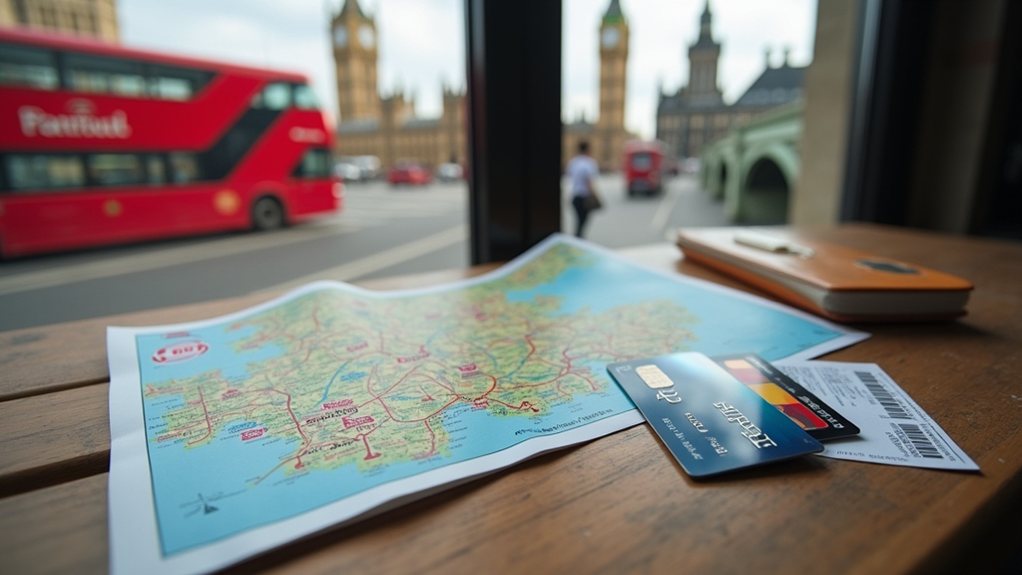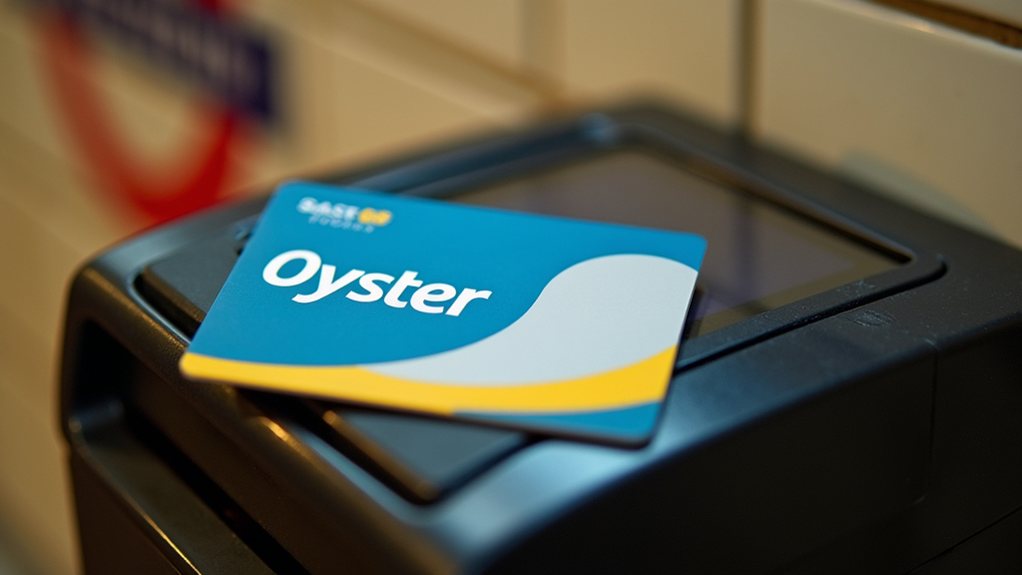

The Oyster Card is a contactless smart card used for travel across London’s public transport, including buses, tubes, and trains. Users top up credit online or at stations, with pay-as-you-go fares ranging from £2.80 to £5.80 depending on zones and time. Daily price capping limits spend to around £8.90 for Zones 1-2. It suits commuters and tourists seeking convenience and savings over paper tickets. Understanding activation fees and usage enhances travel planning options. More details follow.
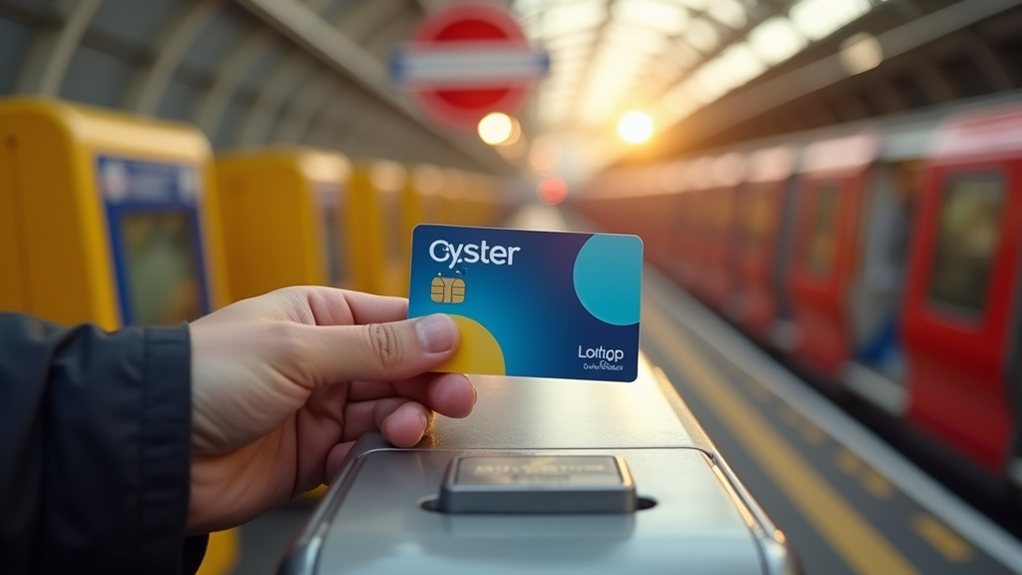
The Oyster card is a contactless smart card used for public transportation in London, offering a convenient and cost-effective way to pay for travel across various services. It allows users to tap in and out at stations, with fares automatically calculated based on the travel zones and time of day.
For instance, single journeys in central London’s Zone 1 cost £2.80 off-peak and £2.90 during peak times when using Oyster, compared to £7 for cash tickets. Fares increase with travel zones, with Zone 1–6 journeys ranging from £3.80 off-peak to £5.80 peak using pay-as-you-go credit. The system also applies daily price caps, such as £8.90 for Zone 1-2 and £16.30 for Zone 1-6, which limits the maximum spend and makes multiple trips more affordable. Visitors should note that the Visitor Oyster Card, which includes a £5 fee plus postage, operates only on a pay-as-you-go basis and does not support weekly Travelcards or Bus Passes, limiting its flexibility compared to a regular Oyster card (Visitor Oyster Card limitations). The Visitor Oyster Card must be ordered online in advance and is not available for purchase in London (Visitor Oyster Card purchase).
Oyster cards can be topped up with credit online, at stations, or at retail locations, and any unused credit remains on the card indefinitely. The card supports different fare types, including adult, child, student, and specialized cards like the Zip Oyster and 18+ Student Oyster photocard, which offer reduced fares and travel benefits for eligible users. Additionally, an activation fee of £7 applies for both Visitor and standard Oyster cards, which is included in the initial purchase price (activation fee applies).
Daily capping is applied automatically to prevent overspending, so travelers do not pay more than the set maximum for their zones. The card is recommended for regular visitors, daily commuters, and long-term tourists who benefit from its cost savings over cash tickets. Moreover, using an Oyster card enhances the experience of exploring the city and visiting attractions like the British Museum without worrying about transportation costs.
It is valid on London Underground, buses, Overground, DLR, and most National Rail services within London zones. For very infrequent travel, single contactless payments or paper tickets may suffice, but Oyster generally offers better value and flexibility. Visitor Oyster cards, intended for tourists, include pre-loaded credit and an activation fee, and are usually purchased online before arriving in London.
Oyster cards are available at Underground stations, Oyster Ticket Stops, some travel agents, and online. Top-ups can be made through ticket machines, online accounts, or TfL apps. The system provides an efficient method of payment, helping users manage their travel expenses while steering through London’s public transport network.
Frequently Asked Questions
Can I Transfer My Oyster Card Balance to Someone Else?
No, transferring an Oyster card balance to someone else is not allowed.
Balance transfers can only be made between Oyster cards registered under the same Transport for London account, ensuring both cards belong to the same individual.
This policy prevents unauthorized use and maintains security.
Any attempt to transfer credit to a different person’s card is not supported by TfL systems or policies, and such transfers cannot be completed through official channels.
What Happens if I Lose My Oyster Card While Traveling?
If an Oyster card is lost while traveling, it should be reported promptly through the official TfL platform to prevent unauthorized use.
Registered cards can be deactivated, and remaining credit or passes transferred to a new card, which typically costs £10 to replace. Replacement cards take up to five working days to arrive.
During this period, travelers must pay for journeys out-of-pocket.
Unregistered cards cannot be refunded or replaced, and any balance on them is lost.
Are There Any Discounts for Seniors or Children Using Oyster Cards?
Yes, seniors aged 60 and over can apply for the 60+ London Oyster photocard, which offers free travel on most TfL and National Rail services outside peak hours, requiring proof of age, residency, and payment of fees.
Children under 11 travel free with an adult, while those aged 11 to 15 can get a Zip Oyster photocard for discounted fares.
Seniors with a Senior Railcard receive off-peak discounts when linked to their Oyster card.
Can I Use My Oyster Card on Buses Outside London?
Oyster cards cannot be used on buses outside London, as their coverage is limited to Transport for London zones.
Bus services beyond these zones require separate tickets, often paid by cash or regional travel cards. Passengers should check local transport options when traveling outside London.
Oyster cards are not accepted on non-London bus routes, and attempts to use them may result in fare rejection or penalties.
Alternative payment methods must be arranged for such journeys.
How Do I Report a Faulty or Damaged Oyster Card?
To report a faulty or damaged Oyster card, first check for physical damage like scratches or bending.
Contact TfL customer services by phone at 0343 222 1234 during their operational hours.
Replacement cards transfer any existing credit or tickets.
Faulty photocard holders may need to send the card to TfL without cutting it.
Users must pay fares while waiting, as no discounted travel applies during this period.