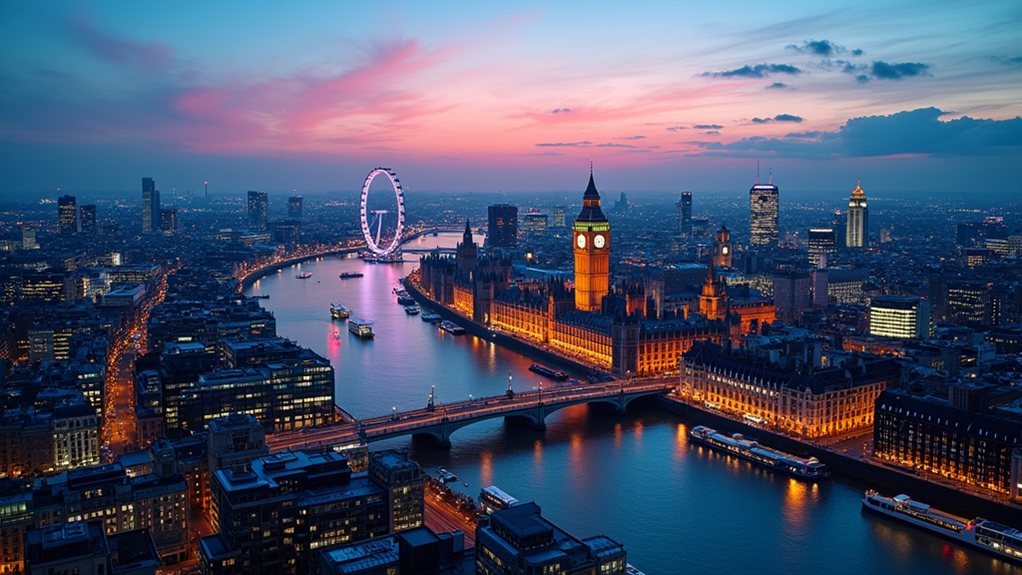

London travelers may soon find a new charge on their hotel bills as the UK government moves forward with plans to allow English mayors to introduce visitor levies. The proposed tax, included in the English Devolution Bill, would apply to hotels, bed and breakfasts, holiday lets, and short-term rentals across the city. Combo tickets for attractions can also be a popular option for travelers looking to maximize their experience without overspending. Similar systems already operate successfully in major global destinations like Paris, New York, Tokyo, and Milan. The tax structure is expected to be approximately 5% of nightly room costs, described as “modest” by supporters. For standard accommodations, this would translate to roughly £10-£12 ($12-$15) per night.
Travelers will see this fee included in their booking totals, hotel confirmation emails, or at check-out. The charge typically applies to initial nights of stays, following the model used in many European cities.
Implementation would follow a consultation phase ending February 18, 2026, with the earliest possible rollout later that year. London is not alone in this approach, as Edinburgh will lead the UK with a 5% tax starting July 2026, while Wales plans a £1.30 per person nightly fee from April 2027.
The financial impact could be substantial, with London potentially generating up to £240 million annually based on 89 million overnight stays recorded in 2024. This revenue would be controlled by local mayors and reinvested in the areas where it’s collected. For example, a £200 hotel room would incur an additional £10 tax.
London Mayor Sadiq Khan has endorsed the proposal as “great news,” stating it would strengthen London businesses and improve visitor experiences. During periods of high traffic volume, some travelers may experience temporary issues accessing the booking platforms, especially when new policies launch. Plans for the funds include street improvements, transportation upgrades, public safety resources, cultural venues, and tourism infrastructure enhancements.
Venice is also implementing a day-trip fee from April to July 2026, showing a growing trend of tourist taxes across popular European destinations. Tourism agencies will need to ensure proactive communication with potential visitors about these new fees to maintain positive client relationships.
While hospitality industry representatives have expressed concerns about adding costs during a period of high prices, supporters view the tax as addressing overtourism while creating sustainable funding for local improvements. The measure aligns England with Scotland and Wales, which are already implementing similar visitor levies.