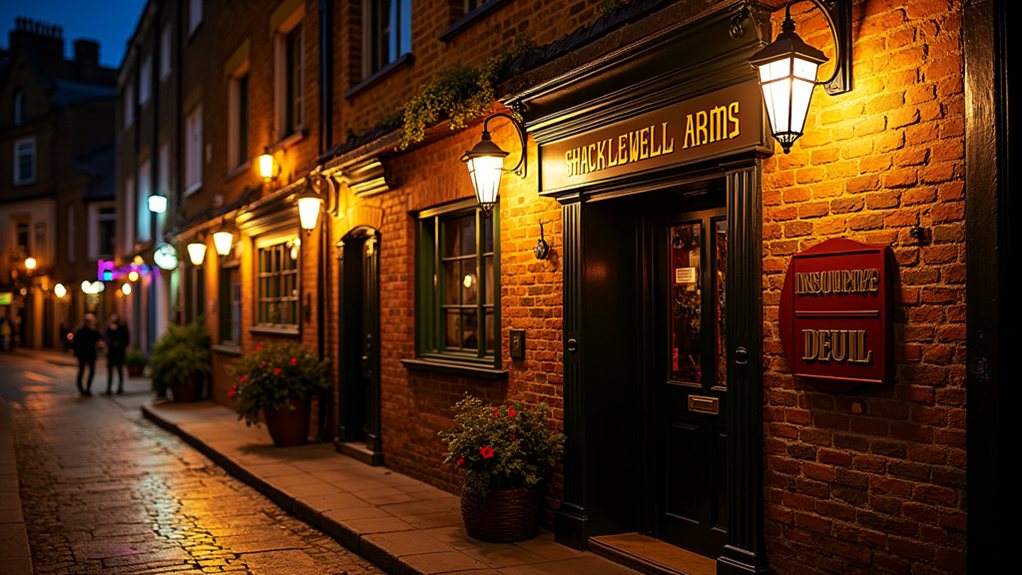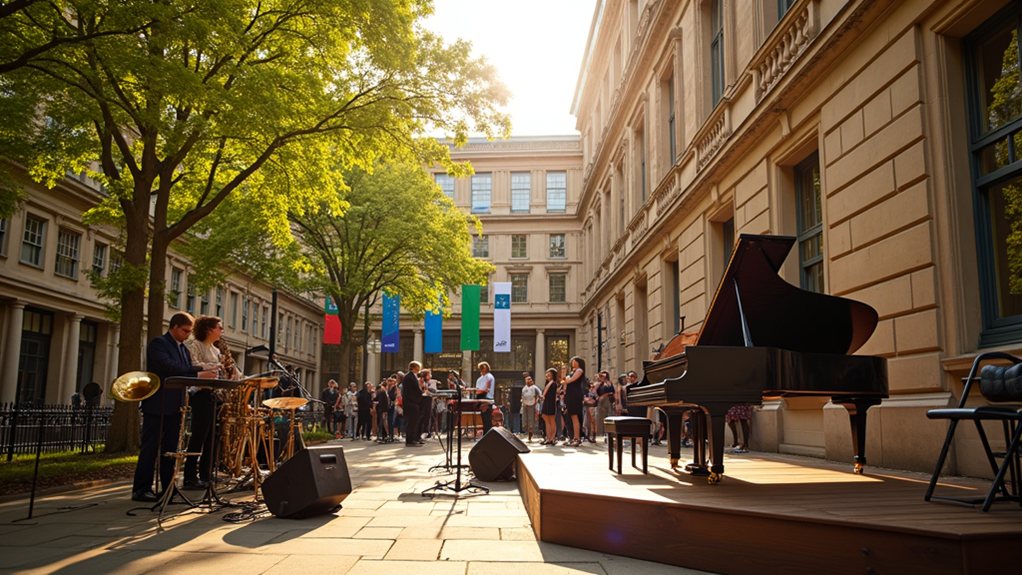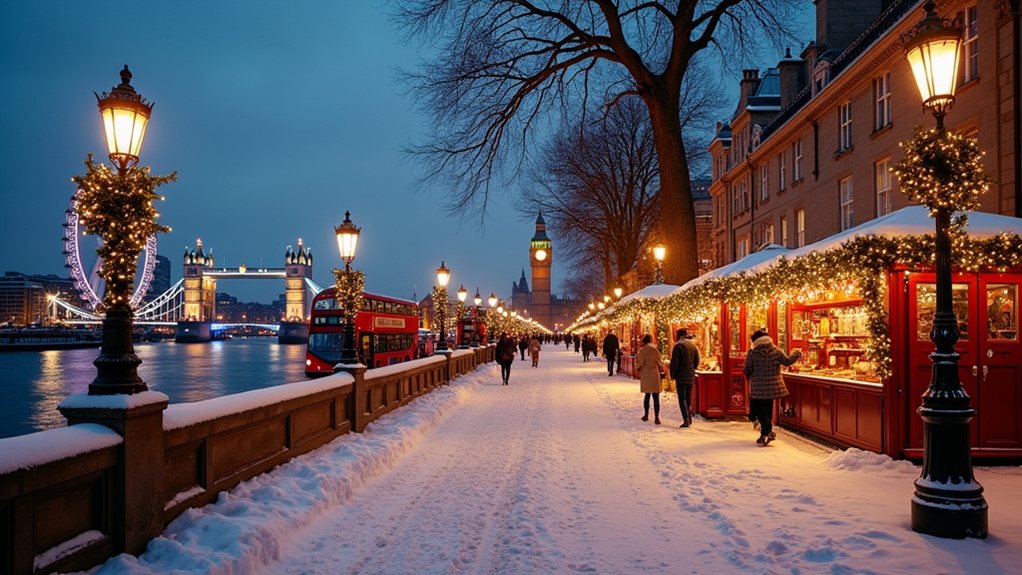
The vibrant night art scene in London has experienced a remarkable resurgence in recent years, becoming a cornerstone of the city’s £136.5 billion night-time economy. With an average of 140,000 nightly visitors in central London from Thursday to Saturday, the capital’s after-dark cultural offerings have surpassed pre-pandemic levels, drawing millions of tourists and locals alike. This revival coincides with the availability of various attraction passes that families can utilize to explore the city while enjoying its vibrant nightlife.
The post-pandemic recovery has been particularly strong in the art world, with tourism to key cultural venues exceeding pre-Covid figures by 2025. This revival coincides with what many consider a historic moment for emerging contemporary art, as a younger generation organizes one-night group shows in temporary spaces across the city. These events often start after traditional galleries close, creating a secondary art viewing experience that extends into the early hours.
London’s art renaissance thrives as emerging artists transform temporary spaces into vibrant after-hours showcases, redefining the nocturnal cultural landscape.
Frieze London 2025 exemplified this renewed energy with blue-chip sellouts and record sales, while Christie’s achieved its highest Frieze Week total in seven years at £106,925,400. London-based artists like Daniel Crews-Chubb have seen strong sales in the £70,000-£95,000 range, indicating robust market health despite fewer collectors from the US and Asia. This market revival is further evidenced by the exceptional vibrant atmosphere reported by art advisor Philip Hoffman at both Frieze and Frieze Masters.
The night art scene benefits from supportive policy trends, with 97% of major world cities now implementing active night-time economy initiatives. Borough councils across London have been urged to permit late-night summer openings, while the Nightlife Taskforce continues to advance recommendations that drive cultural economy growth. New commercial galleries like Ginny on Frederick and Brunette Coleman have emerged post-pandemic, contributing to a growing sense of artistic community despite ongoing cost-of-living challenges.
Challenges remain, however, as live music venues face closure threats from planning pressures and local taxes. The Culture-at-Risk team has intervened in numerous cases to prevent these closures, recognizing the crucial role such spaces play in nurturing artistic communities. Without intervention, the UK could see a complete disappearance of nightclubs by 2029, devastating the creative ecosystem that fuels the night art scene.
Demographic shifts are reshaping participation, with projections indicating London will have a non-white majority within 15 years. This changing landscape, combined with innovative offerings like immersive exhibitions and digital art experiences, guarantees London’s night art scene continues to evolve while maintaining its position at the forefront of global cultural nightlife.